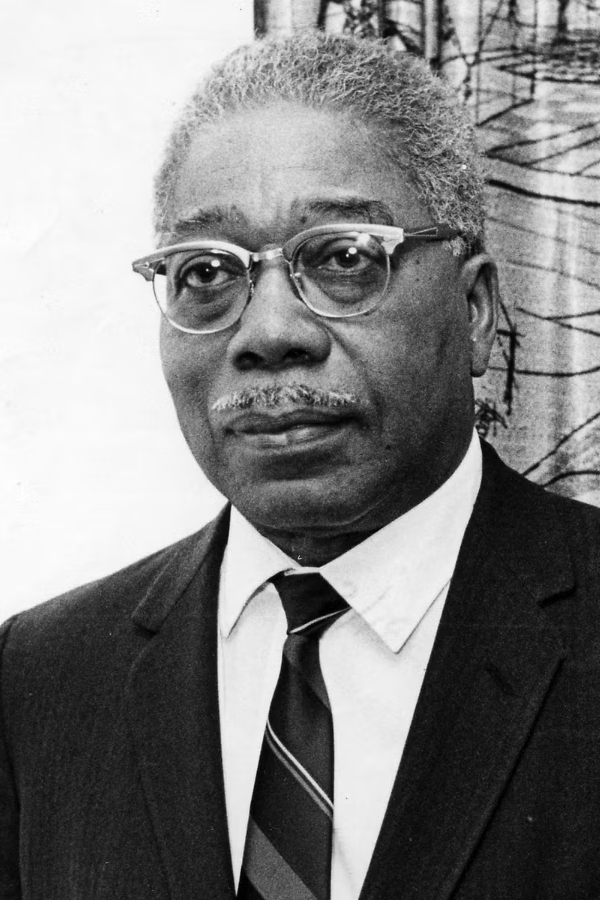
Personal info
Known for
Ultimate Talent
Gender
Male
Birthday
26 May
Location
Tennessee, United States
Edit pageAaron Douglas
Biography
Aaron Douglas was a pioneering American painter, illustrator, and educator who became a central visual artist of the Harlem Renaissance. His distinctive style—marked by silhouetted figures, geometric forms, and radiating light patterns—helped define the visual identity of African American modernism in the early 20th century.
Early Life and Education
Aaron Douglas was born on May 26, 1899, in Topeka, Kansas. Encouraged by his mother to pursue art, he developed an early interest in drawing and painting. He earned a Bachelor of Fine Arts degree from the University of Nebraska in 1922 before moving to New York City in 1925.
In Harlem, Douglas became immersed in the cultural movement known as the Harlem Renaissance, a period of flourishing African American artistic, literary, and intellectual expression.
The Harlem Renaissance
Douglas quickly emerged as a leading visual artist of the Harlem Renaissance. He worked closely with writers and intellectuals such as Langston Hughes and W.E.B. Du Bois, creating illustrations for magazines and books that celebrated Black history, culture, and identity.
His artwork often explored themes of:
African heritage
Slavery and emancipation
Spirituality and resilience
Modern urban life
Through his art, Douglas sought to portray the African American experience with dignity and strength.
Artistic Style
Aaron Douglas developed a unique visual language that combined:
Art Deco influences
African-inspired motifs
Silhouetted human figures
Concentric circles and beams of light
His use of flattened forms and limited color palettes created dramatic, rhythmic compositions. The radiating light effects in his paintings symbolized progress, hope, and historical continuity.
Major Works
One of Douglas’s most celebrated achievements is the mural series:
Aspects of Negro Life
Created for the New York Public Library’s 135th Street branch (now the Schomburg Center for Research in Black Culture), this series traces African American history from African origins through slavery to modern urban life.
The murals remain iconic representations of the Harlem Renaissance and American modernism.
Teaching and Later Career
In addition to his artistic practice, Aaron Douglas was a dedicated educator. He joined Fisk University in Nashville, Tennessee, where he founded and chaired the art department. Through teaching, he mentored generations of African American artists and helped expand opportunities in art education.
He remained at Fisk for many years, influencing both regional and national art communities.
Legacy
Aaron Douglas passed away on February 2, 1979. Today, he is recognized as the “father of African American art” for his foundational role in shaping modern Black visual expression.