Personal info
Known for
Actor
Gender
Male
Birthday
12 November
Location
Uttar Pradesh, India
Edit pageAkhtar-Ul-Iman
Biography
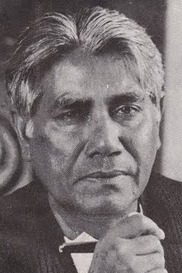
Akhtar ul Iman (12 November 1915 – 9 March 1996) was an Indian Urdu poet, screenwriter, and lyricist whose work left a lasting impact on both Urdu literature and Hindi cinema. Regarded as one of the most influential modern Urdu poets, he was known for his progressive outlook, conversational style, and deeply philosophical poetry. As a screenwriter, he contributed to several acclaimed Hindi films, earning widespread recognition for his realistic dialogue and compelling storytelling.
Early Life
Akhtar ul Iman was born on 12 November 1915 in Qasba Padrauna, Gorakhpur District, United Provinces, British India (now in Uttar Pradesh, India). He received his early education in Uttar Pradesh before moving to Aligarh, where he studied at Aligarh Muslim University. During his student years, he developed a passion for Urdu literature and became associated with the Progressive Writers' Movement, which advocated social reform through literature.
Literary Career
Akhtar ul Iman emerged as one of the leading voices of modern Urdu poetry. Unlike many traditional poets of his time, he adopted a simple, conversational style that explored themes of identity, loneliness, love, social change, and the complexities of modern life.
His poetry collections include:
- Taar-e-Gareban
- Aab-e-Joo
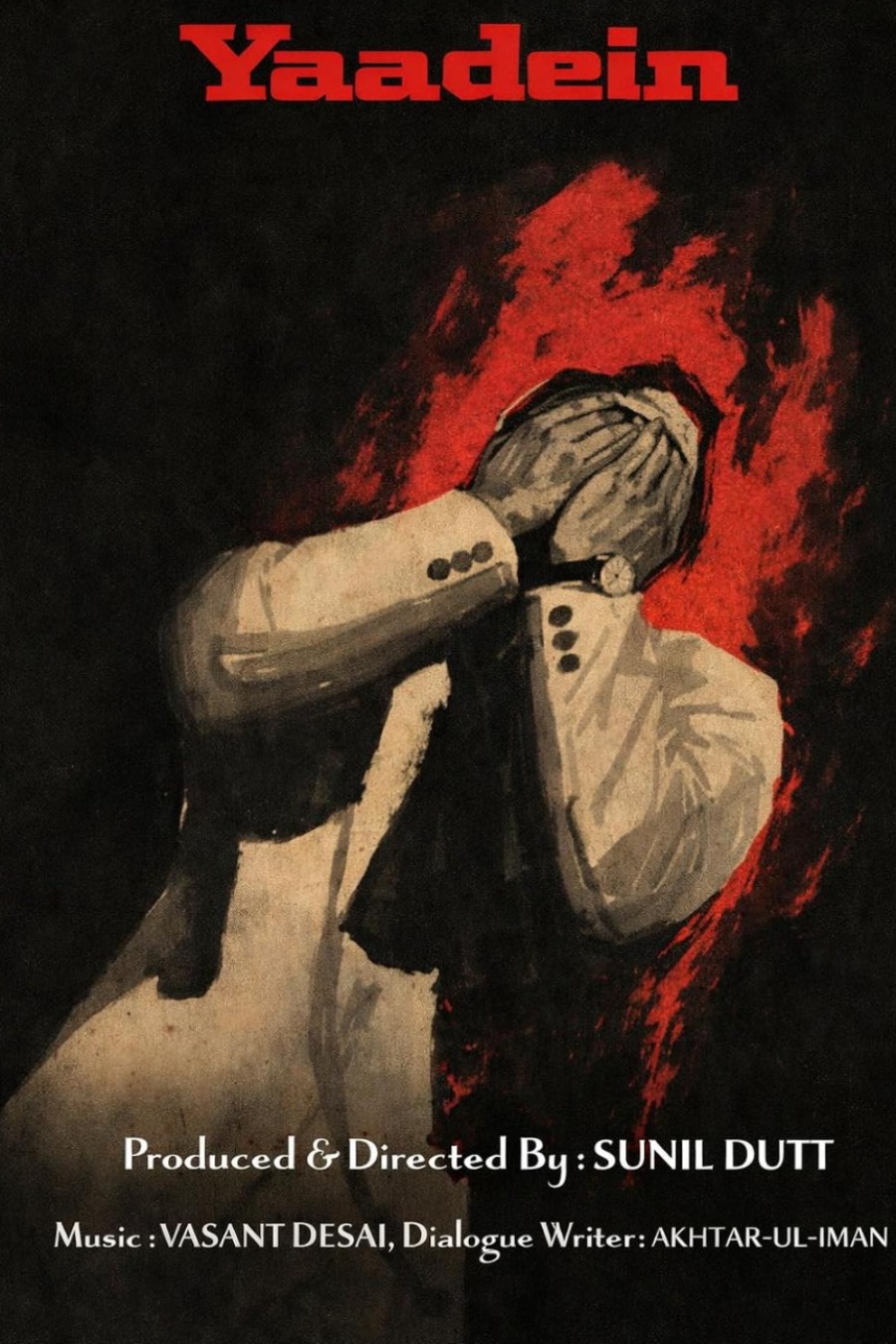
- Yadein
- Naya Ahang
- Sard Aahan
- Zameen Zameen
His innovative approach helped redefine modern Urdu poetry, influencing generations of poets and writers.
Film Career
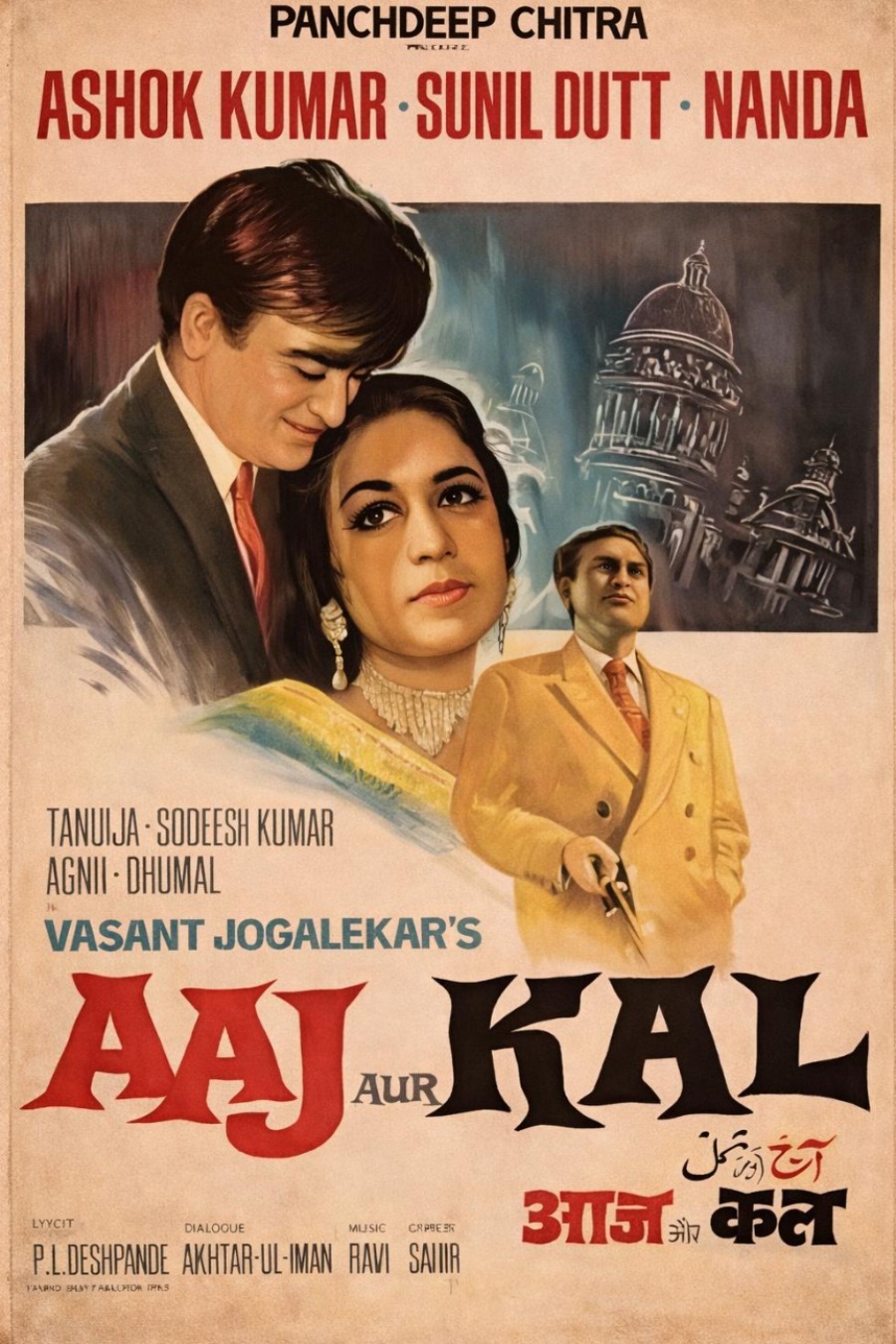
Alongside his literary achievements, Akhtar ul Iman enjoyed a distinguished career in the Hindi film industry as a screenwriter and dialogue writer. He was known for creating intelligent, emotionally rich scripts that combined realism with strong character development.
He collaborated with some of India's finest filmmakers and contributed to several critically acclaimed and commercially successful films. His screenplays and dialogues were praised for their natural flow and psychological depth.
Some of his notable films include:
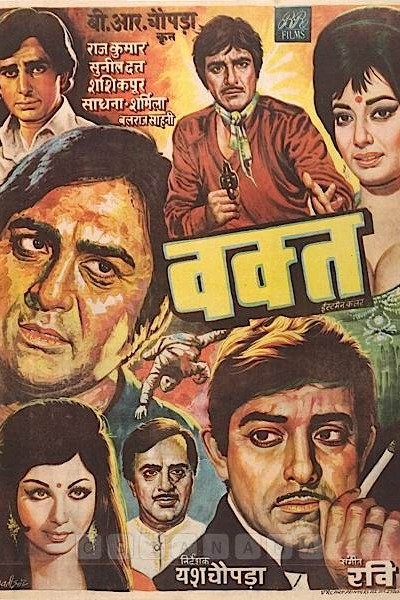
- Waqt (1965)
- Dharmputra (1961)
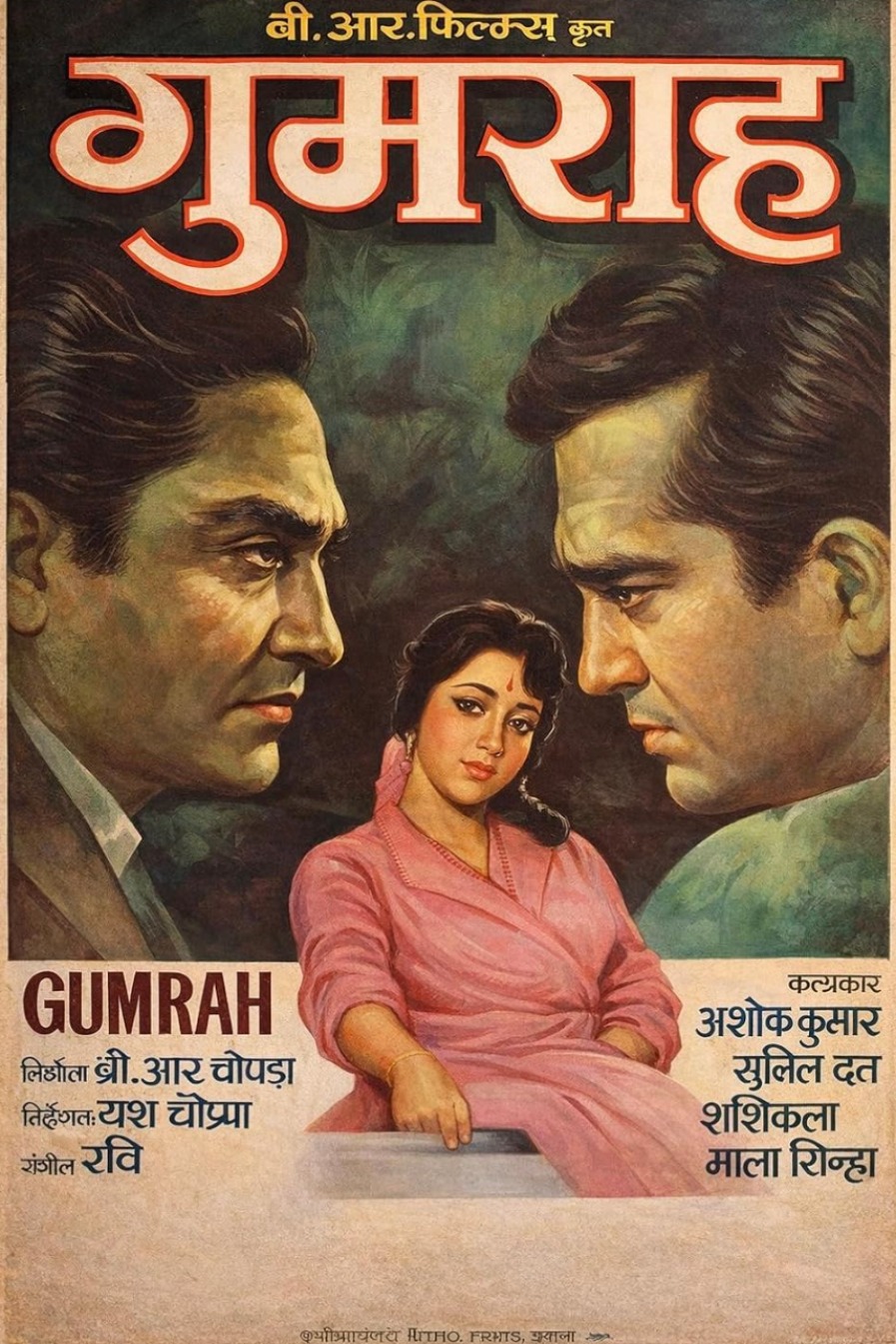
- Gumrah (1963)
- Aadmi (1968)
- Satyakam (1969)
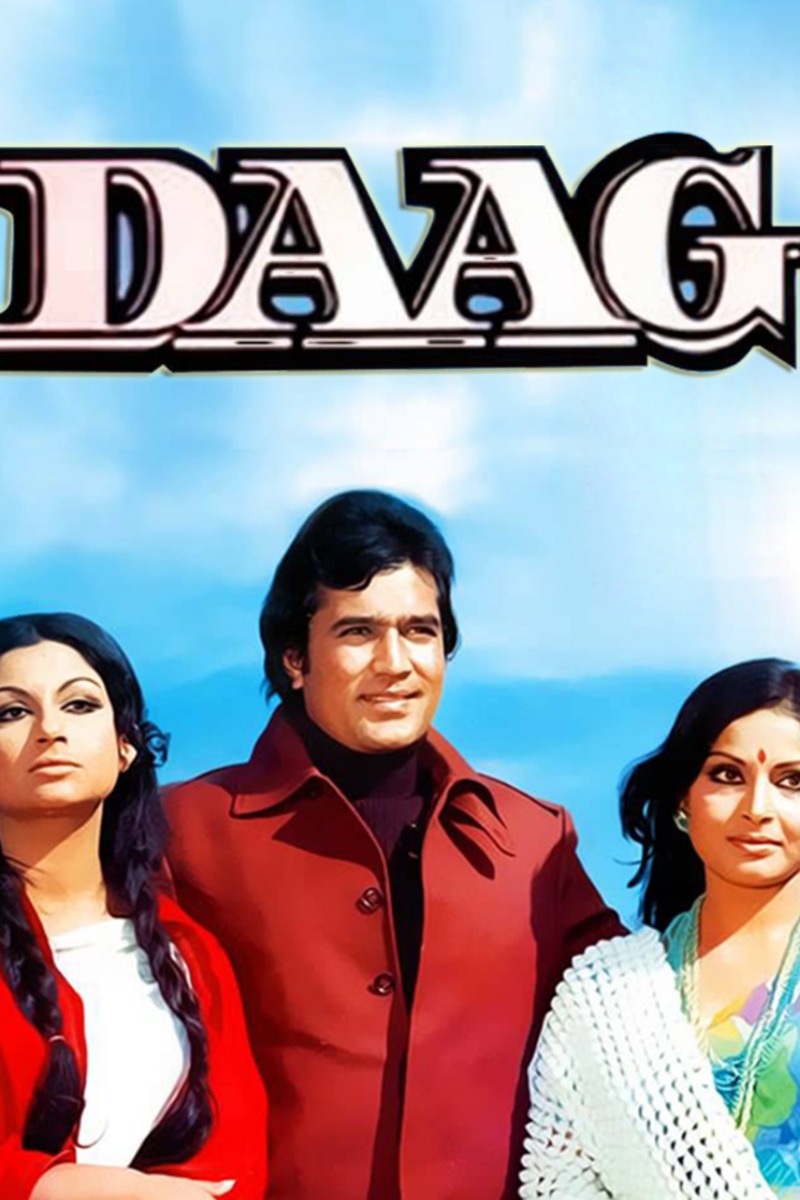
- Daag (1973)
His work helped shape the narrative style of Hindi cinema during the 1960s and 1970s.
Awards and Recognition
Akhtar ul Iman received numerous literary and cinematic honors during his lifetime. His contributions to Urdu literature earned him several prestigious awards, while his screenwriting established him as one of Bollywood's finest writers.
Among his notable honors were:
- Sahitya Akademi Award for Urdu literature.
- Recognition from literary organizations for his outstanding contribution to modern Urdu poetry.
- Critical acclaim for his screenplay and dialogue writing in Hindi cinema.
Writing Style
Akhtar ul Iman's poetry departed from conventional romanticism and focused on the realities of everyday life. His writing often reflected human struggles, existential questions, and social concerns. His straightforward language, emotional honesty, and philosophical insight made his work accessible while retaining literary depth.
As a screenwriter, he brought the same realism and emotional intelligence to his film scripts, creating memorable characters and meaningful narratives.
Legacy
Akhtar ul Iman is remembered as one of the pioneers of modern Urdu poetry and one of Hindi cinema's most accomplished screenwriters. His literary works continue to be studied in universities, while his film scripts remain admired for their craftsmanship and emotional resonance.
His influence extends beyond literature and cinema, inspiring generations of poets, writers, and filmmakers.
Death
Akhtar ul Iman passed away on 9 March 1996 in Mumbai, Maharashtra, India, at the age of 80. His contributions to Urdu literature and Indian cinema continue to be celebrated as an enduring part of India's cultural heritage.