Personal info
Known for
Ultimate Talent
Gender
Male
Birthday
15 April
Location
Van, Turkey
Edit pageArshile Gorky
Biography
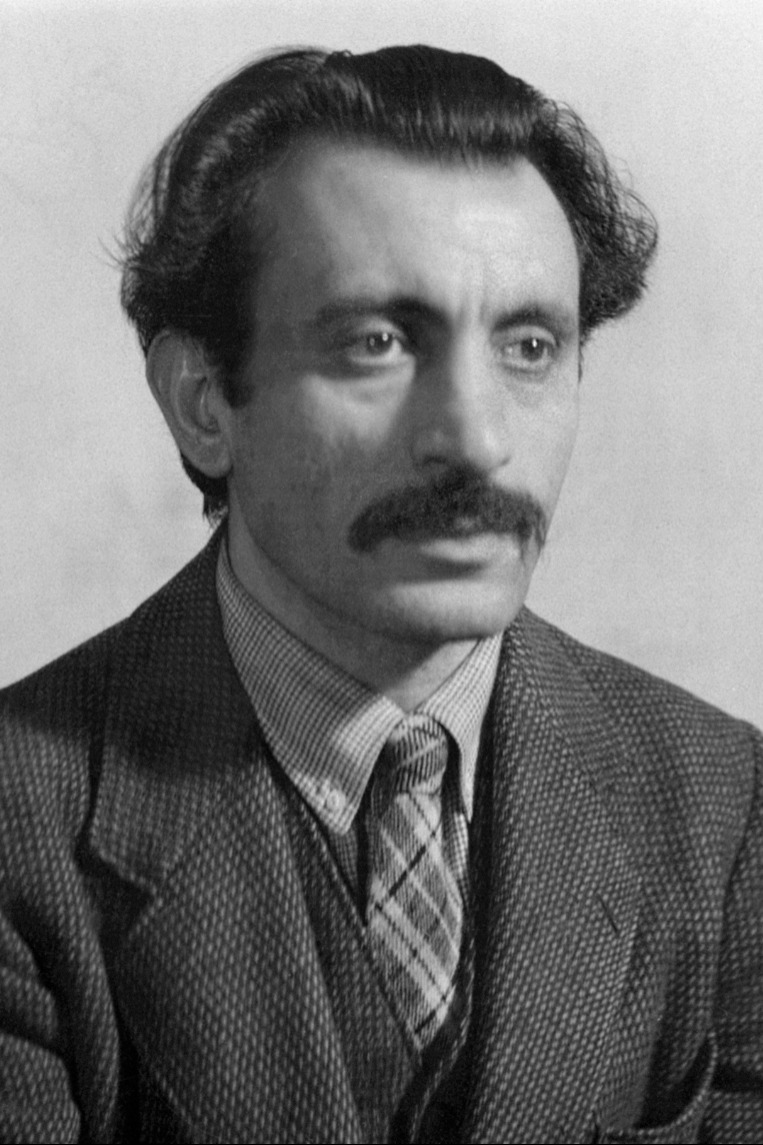
Arshile Gorky (born Vostanik Manoug Adoian; April 15, 1904 – July 21, 1948) was an Armenian-American painter who played a pivotal role in the development of Abstract Expressionism, one of the most influential art movements of the 20th century. Blending elements of Surrealism with abstraction, Gorky created a unique visual language that profoundly influenced later generations of American artists.
Early Life and Education
Arshile Gorky was born in the village of Khorgom, near Lake Van in the Ottoman Empire (present-day Türkiye). His childhood was marked by hardship during the Armenian Genocide, in which he lost family members, including his mother, whose death deeply affected him and became a recurring emotional influence in his work.
In 1920, Gorky immigrated to the United States, joining his father in Massachusetts before settling in New York. Although he had no formal academic art education, he studied independently, visiting museums, copying works by European masters, and teaching himself painting techniques. He later adopted the name "Arshile Gorky," creating a new artistic identity inspired by Russian literary and cultural figures.
Career
Gorky began his artistic career in the 1920s, initially drawing inspiration from artists such as Paul Cézanne, Pablo Picasso, and Joan Miró. His early works reflected Cubist and Post-Impressionist influences before evolving into a more personal and expressive style.
During the 1930s, he participated in the Federal Art Project of the Works Progress Administration (WPA), producing murals and developing his reputation within New York's growing modern art community.
By the 1940s, Gorky had developed a distinctive style that combined organic forms, lyrical abstraction, and Surrealist imagery. His paintings often featured fluid shapes, vibrant colors, and symbolic references drawn from memory, nature, and personal experience.
His innovative approach helped bridge European modernism and the emerging American Abstract Expressionist movement, influencing artists such as Willem de Kooning, Mark Rothko, and Jackson Pollock.
Artistic Style
Arshile Gorky's work is characterized by:
- Organic abstract forms.
- Surrealist-inspired imagery.
- Expressive brushwork.
- Rich, luminous color palettes.
- Personal symbolism rooted in memory and nature.
- A combination of abstraction and emotional expression.
His paintings often evoke landscapes, plants, and the human body without depicting them literally, creating dreamlike compositions filled with movement and emotion.
Notable Works
Some of Arshile Gorky's most celebrated paintings include:
- The Artist and His Mother (1926–1936)
- The Liver Is the Cock's Comb (1944)
- Waterfall (1943)
- Garden in Sochi series
- One Year the Milkweed (1944)
- Agony (1947)
These works are regarded as masterpieces of modern American art and are held in major museum collections worldwide.
Recognition and Legacy
Although Gorky received limited commercial success during his lifetime, his artistic achievements gained widespread recognition after his death. Today, he is regarded as one of the founders of Abstract Expressionism and among the most important painters in American modern art.
His works are housed in prestigious institutions including the Museum of Modern Art (MoMA), the Whitney Museum of American Art, the Metropolitan Museum of Art, and other leading museums around the world.
Personal Life
Gorky married Agnes "Mougouch" Magruder in 1941, and the couple had two daughters. Despite his growing artistic reputation, his later years were marked by personal tragedy. He suffered serious injuries in a car accident, lost his studio in a fire that destroyed many artworks, and faced emotional and financial difficulties.
Death
Arshile Gorky died on July 21, 1948, in Sherman, Connecticut, at the age of 44.