Personal info
Known for
Director
Gender
Male
Birthday
27 September
Location
Pennsylvania, United States
Edit pageArthur Penn
Biography
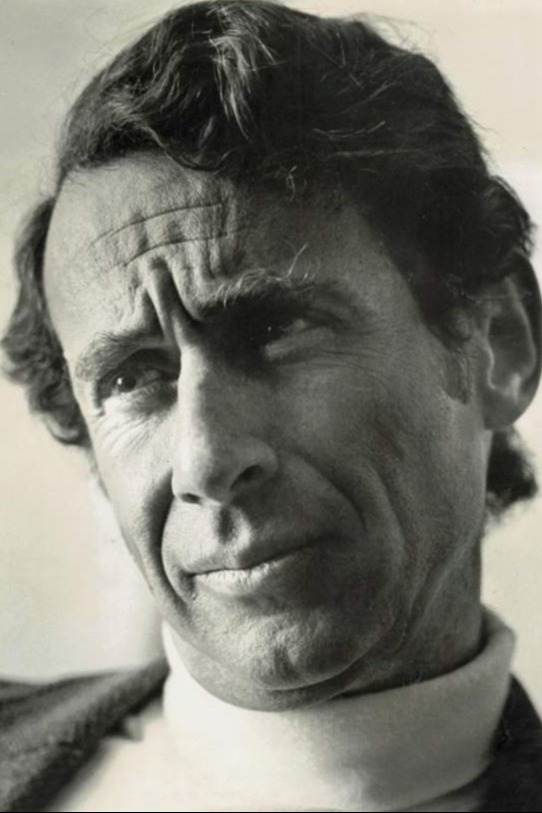
Arthur Penn (September 27, 1922 – September 28, 2010) was an influential American film director and producer known for bringing a sophisticated, psychologically complex style to Hollywood cinema. His films often explored violence, alienation, rebellion, crime, and troubled relationships.
Early Life
Arthur Hiller Penn was born on September 27, 1922, in Philadelphia, Pennsylvania. He developed an interest in theatre and filmmaking while growing up.
During World War II, Penn served in the U.S. Army and became involved with an entertainment unit. After the war, he studied at the Black Mountain College and later worked in television.
Television Career
Penn began his professional directing career in live television during the 1950s. He directed episodes and productions for programs such as The Philco Television Playhouse, Playhouse 90, and The United States Steel Hour.
His success in television eventually led him to Hollywood feature films.
Film Directing Career
Penn made his feature-film directorial debut with The Left Handed Gun (1958), a western starring Paul Newman as Billy the Kid.
His early films demonstrated an interest in unconventional characters and morally complicated stories. He became one of the directors associated with the emerging New American Cinema of the 1960s and 1970s.
Major Films
Penn directed several highly regarded films, including:
- The Left Handed Gun (1958)
- Mickey One (1965)
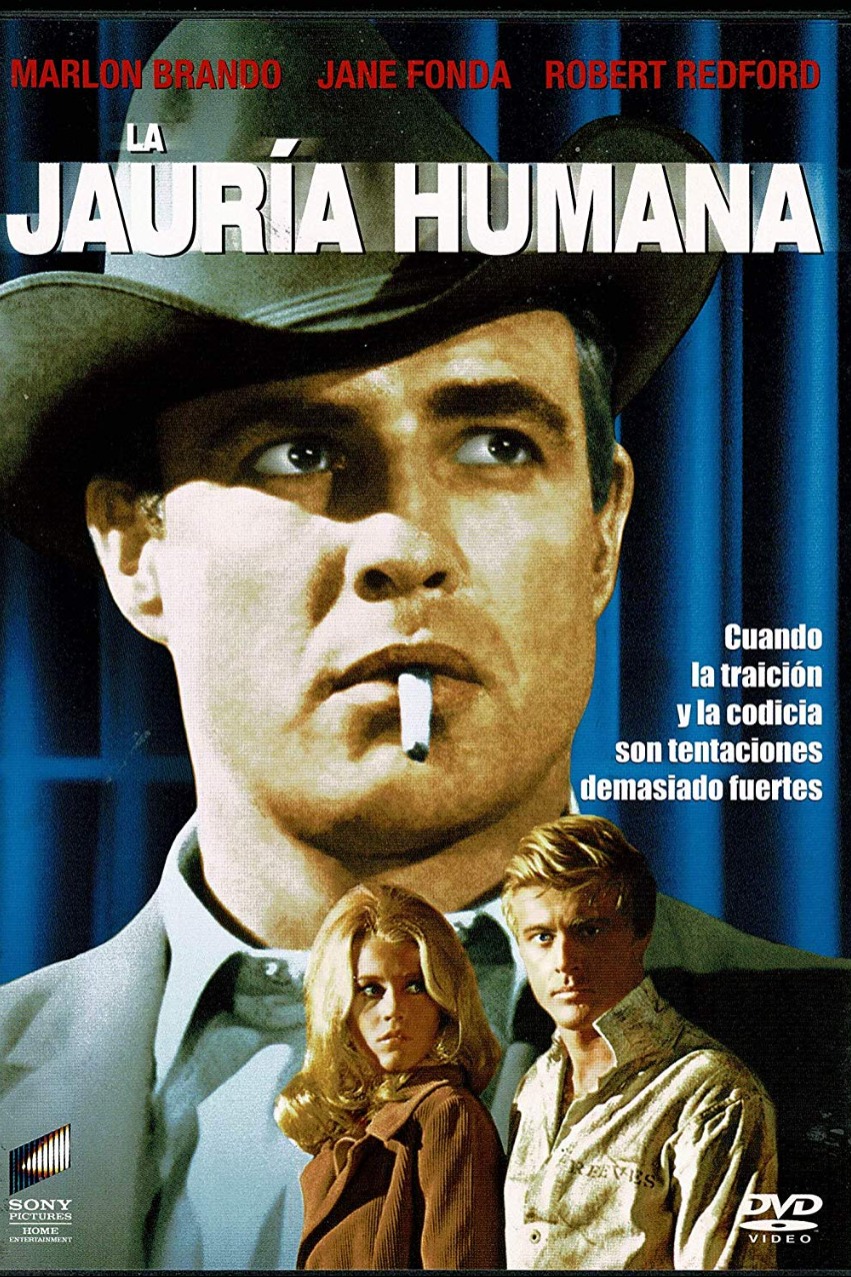
- The Chase (1966)
- Bonnie and Clyde (1967)
- Alice's Restaurant (1969)
- Little Big Man (1970)
- Night Moves (1975)
- Four Friends (1981)
- Target (1985)
- Dead of Winter (1987)
- Penn & Teller Get Killed (1989)
Bonnie and Clyde
Penn's most famous film was ** Bonnie and Clyde (1967)**, starring Warren Beatty and Faye Dunaway.
The film dramatized the lives of Depression-era criminals Bonnie Parker and Clyde Barrow. It combined romance, comedy, violence, and social commentary in a way that was unusual for mainstream American cinema at the time.
The film became a major cultural phenomenon and is often regarded as a turning point in the development of New Hollywood.
Penn received an Academy Award nomination for Best Director for the film.
Little Big Man
Penn directed ** Little Big Man (1970)**, starring Dustin Hoffman as Jack Crabb, a man who recounts his extraordinary life among both white settlers and Native Americans.
The film challenged traditional Hollywood portrayals of the American West and presented a more critical view of violence, colonialism, and historical mythology.
Westerns and Crime Films
Penn had a particular interest in characters who existed outside conventional society. His westerns and crime films often questioned the distinction between heroes and villains.
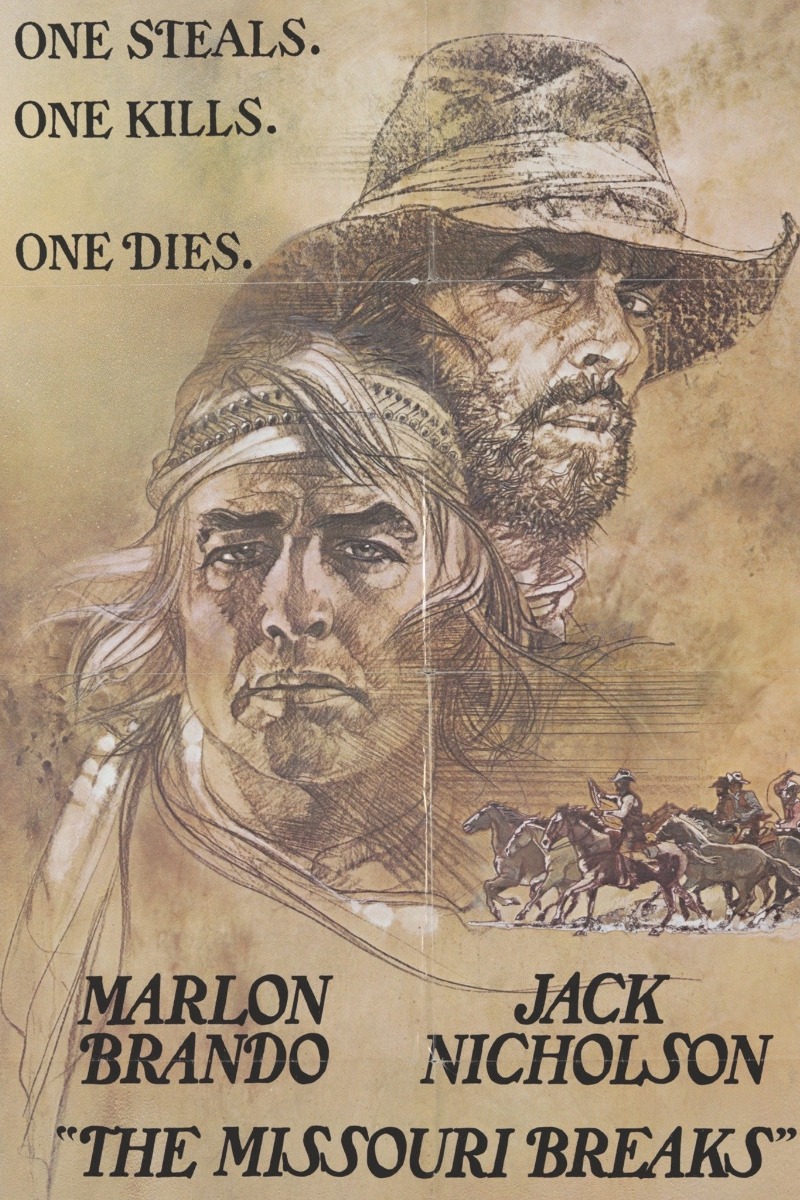
The western ** The Missouri Breaks (1976)**, starring Marlon Brando and Jack Nicholson, was another example of his interest in unconventional characters and morally ambiguous conflicts.
Collaboration with Actors
Penn was known for encouraging actors to give psychologically detailed performances. He worked with many major performers, including:
- Paul Newman
- Warren Beatty
- Faye Dunaway
- Dustin Hoffman
- Jack Nicholson
- Marlon Brando
- Gene Hackman
- Anne Bancroft
His films frequently gave actors opportunities to portray flawed, complicated, and unpredictable characters.
Awards and Recognition
Penn received several major honors during his career. He was nominated for the Academy Award for Best Director three times:
- Bonnie and Clyde (1967)
- Alice's Restaurant (1969)
- The Miracle Worker (1962)
He also received recognition from major film organizations and festivals for his contributions to cinema.
Personal Life
Penn was married to actress Peggy Maurer from 1955 until his death. They had two children.
He also taught filmmaking and remained involved with the American film community beyond his directing career.
Death
Arthur Penn died on September 28, 2010, in Manhattan, New York City, one day after his 88th birthday.