Balu Mahendra
Biography
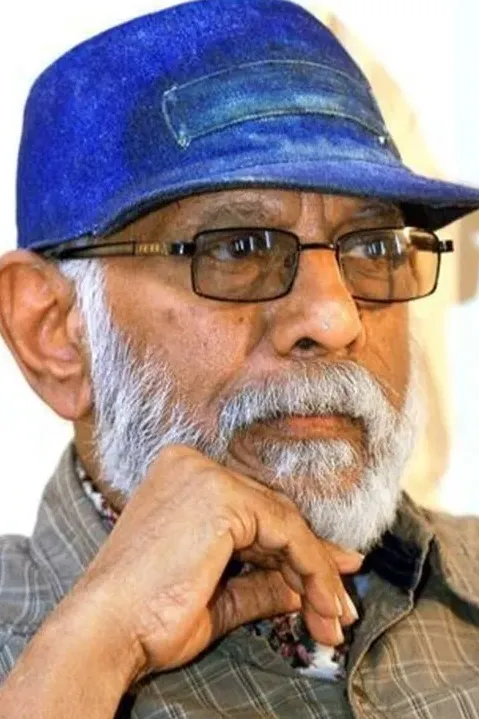
Balu Mahendra was born on May 20, 1939, in Batticaloa, Sri Lanka. Growing up in a culturally rich environment, he developed a deep appreciation for literature, photography, and cinema at a young age. His fascination with visual storytelling eventually led him to pursue formal training at the Film and Television Institute of India (FTII) in Pune, where he specialized in cinematography.
At FTII, he distinguished himself as a talented student, earning recognition for his technical skill and artistic sensibility. His training laid the foundation for a career that would transform Indian regional cinema.
Career as a Cinematographer
Balu Mahendra began his professional journey as a cinematographer in the early 1970s. His work quickly gained attention for its natural lighting, realistic compositions, and poetic visual style. He worked across multiple South Indian film industries, including Tamil, Malayalam, Kannada, and Telugu cinema.
His cinematography was celebrated for bringing a new visual language to Indian films, often emphasizing simplicity and emotional authenticity over glamour.
Transition to Direction
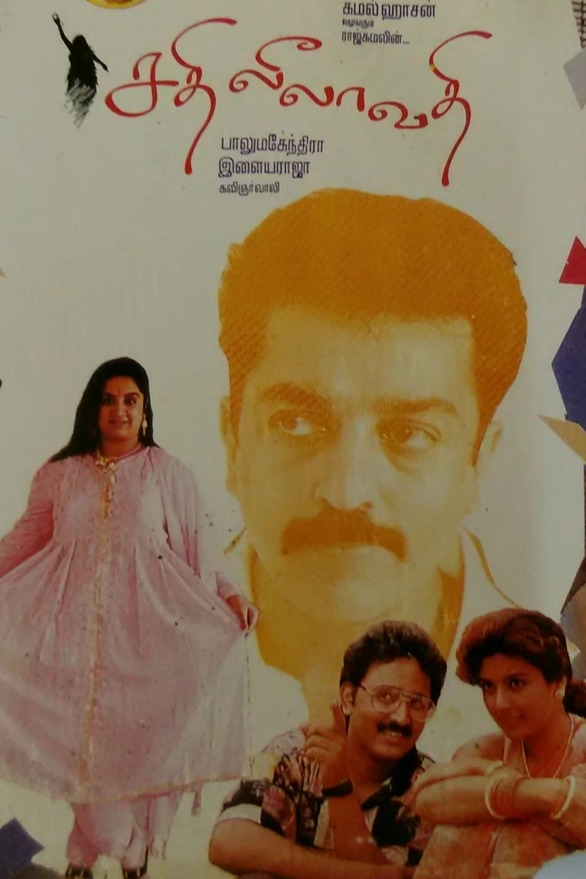
Mahendra soon moved into directing, where he found his true creative voice. His films were known for their introspective themes, nuanced characters, and understated storytelling. He frequently handled multiple aspects of filmmaking himself, including writing, cinematography, and editing.
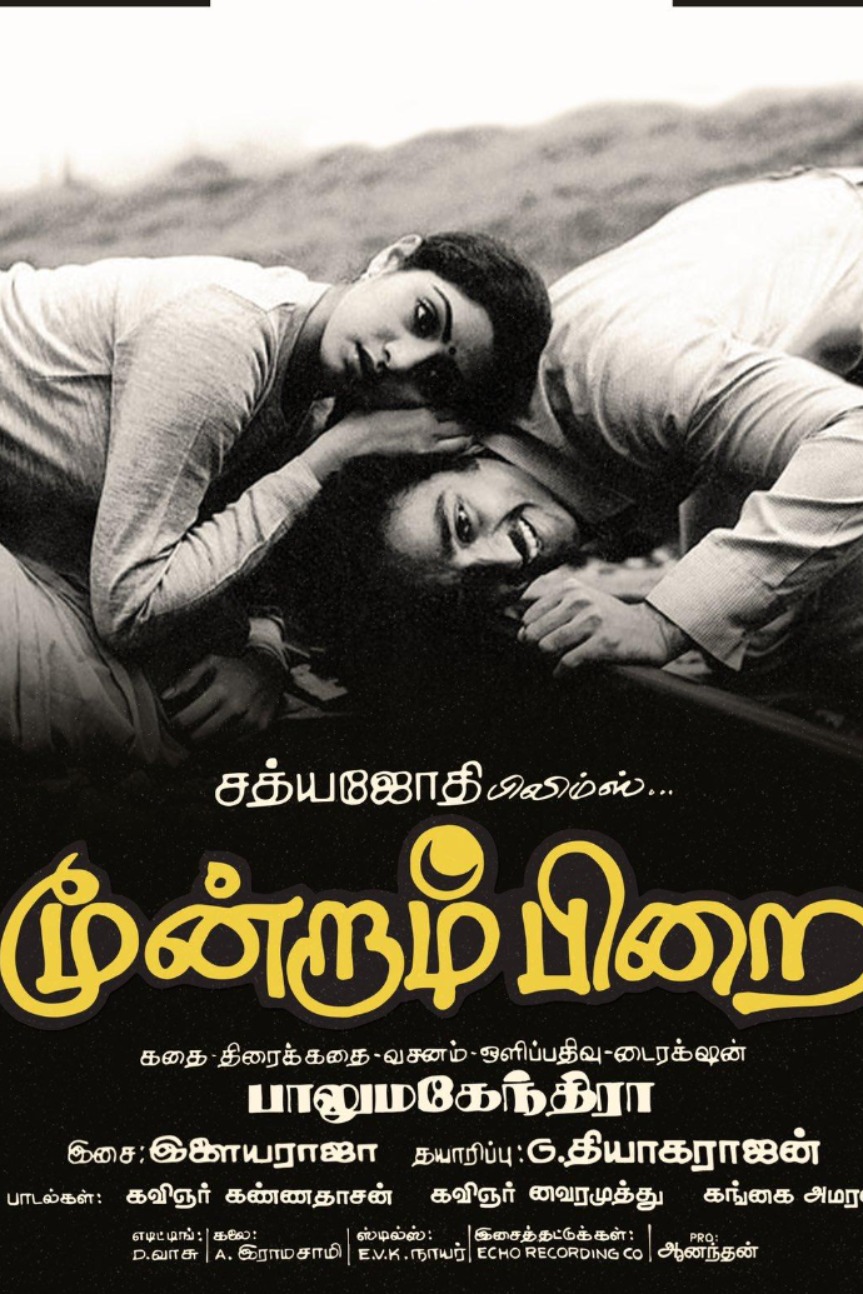
One of his most acclaimed works is Moondram Pirai, a deeply emotional drama later remade in Hindi as Sadma. The film received critical acclaim and is considered one of the finest works in Indian cinema.
Another notable film, Veedu, explored the struggles of a middle-class woman trying to build a house, reflecting Mahendra’s ability to portray everyday life with sensitivity and realism.
Themes and Style
Balu Mahendra’s films often explored themes of loneliness, memory, relationships, and the fragility of human emotions. He favored naturalistic performances and subtle narratives over dramatic excess. His background as a cinematographer influenced his visual storytelling, with careful attention to light, framing, and atmosphere.
He was known for portraying strong yet vulnerable female characters and for presenting romance and tragedy with emotional restraint. His work frequently blurred the line between mainstream and arthouse cinema.
Awards and Recognition
Over his long career, Balu Mahendra received numerous awards, including multiple National Film Awards for both cinematography and direction. His contributions were widely acknowledged within Indian cinema, and he is regarded as a pioneer who elevated the artistic standards of regional filmmaking.
Mentorship and Influence
Beyond his own films, Mahendra played an important role in mentoring young filmmakers and technicians. Many prominent directors and cinematographers credit him as an inspiration and guiding force in their careers. His emphasis on realism and disciplined craft left a lasting mark on South Indian cinema.
Personal Life and Later Years
Balu Mahendra remained active in filmmaking and television well into his later years. Despite facing personal and professional challenges, he continued to create and mentor until his passing on February 13, 2014.