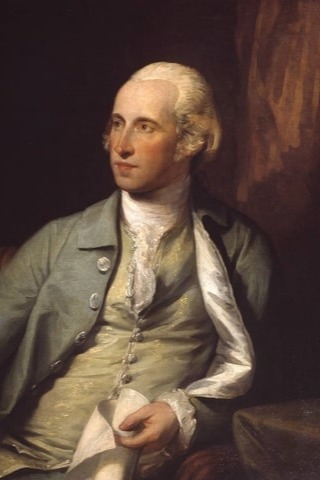
Benjamin West
Biography
Benjamin West (1738–1820) was an American-born British painter known for his historical, religious and mythological paintings. He was born on October 10, 1738, near Springfield, Pennsylvania, USA. From an early age, he demonstrated exceptional artistic talent and developed an interest in painting. He received encouragement from local artists and patrons before travelling to Europe to further his artistic education.
Career
In 1760, West travelled to Italy, where he studied Renaissance and classical art. In 1763, he settled in London, England, and established himself as a successful portrait and history painter. He gained royal recognition through his association with King George III and was appointed Historical Painter to the King in 1772.
Notable Works
Some of his best-known paintings include The Death of General Wolfe (1770), Penn's Treaty with the Indians (1772), The Death on the Pale Horse (1817), Christ Healing the Sick (1811) and The Treaty of Paris (1783).
Achievements and Recognition
West was one of the founding members of the Royal Academy of Arts in 1768. In 1792, he succeeded Sir Joshua Reynolds as its president, serving until 1815 and later being re-elected. He also mentored several prominent artists, including John Trumbull, Charles Willson Peale and Gilbert Stuart. His innovative approach to historical painting helped influence generations of British and American artists.
Death
Benjamin West died on March 11, 1820, in London, England, at the age of 81. He was buried in St. Paul's Cathedral.