Personal info
Known for
Music Director
Gender
Male
Birthday
29 June
Location
New York, United States
Edit pageBernard Herrmann
Biography
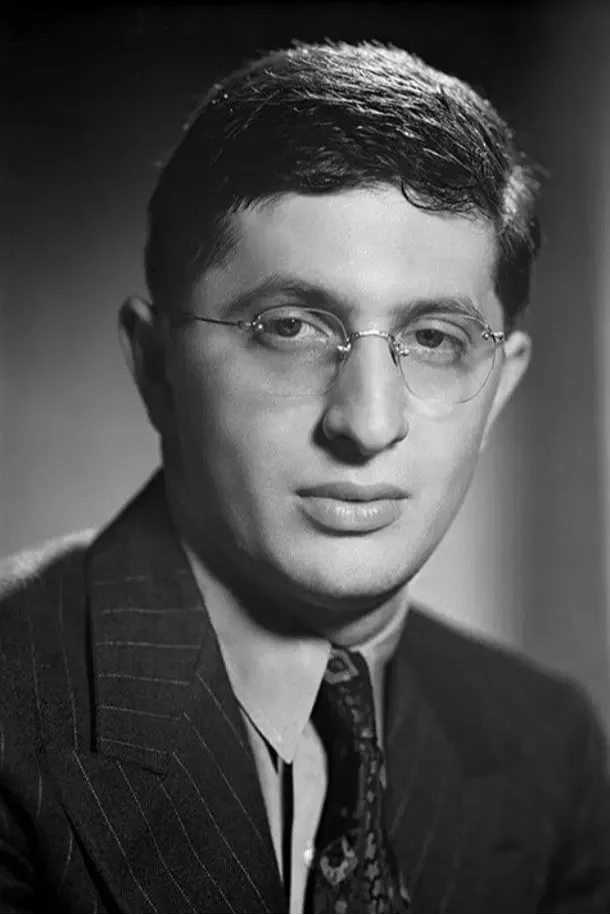
Bernard Herrmann was one of the most influential and innovative film composers of the 20th century, celebrated for his emotionally charged scores and groundbreaking approach to film music. Best known for his collaborations with Alfred Hitchcock and Orson Welles, Herrmann transformed the role of music in cinema, using it not as background decoration but as a powerful psychological force.
Early Life and Education
Bernard Herrmann was born on 29 June 1911 in New York City. From an early age, he showed a strong interest in music and composition. He studied at New York University and the Juilliard School, where he developed a solid foundation in classical music. His early exposure to both European classical traditions and modernist composers shaped his distinctive musical voice.
Early Career in Radio
Herrmann began his professional career in radio, working for CBS Radio. He composed, conducted, and arranged music for numerous radio dramas, including The Mercury Theatre on the Air. His work on Orson Welles’s legendary radio broadcast of The War of the Worlds (1938) demonstrated his exceptional ability to create tension and atmosphere through sound, foreshadowing his later achievements in film.
Breakthrough in Film
Bernard Herrmann made his film debut with Citizen Kane (1941), directed by Orson Welles. His innovative score broke away from traditional Hollywood orchestration, earning him an Academy Award nomination and instantly establishing him as a major new talent in film music. The collaboration marked the beginning of a career defined by originality and emotional intensity.
Collaboration with Alfred Hitchcock
Herrmann’s most famous partnership was with director Alfred Hitchcock. Together, they created some of the most iconic scores in cinema history, including Vertigo (1958), North by Northwest (1959), and Psycho (1960). The Psycho score, composed entirely for string orchestra, is especially legendary, with its shrieking violin motif becoming one of the most recognizable musical cues in film history.
Herrmann’s music often mirrored characters’ psychological states, heightening suspense and emotional conflict. His bold use of orchestration, repetition, and unusual harmonies redefined how music could function in storytelling.
Later Career and Final Works
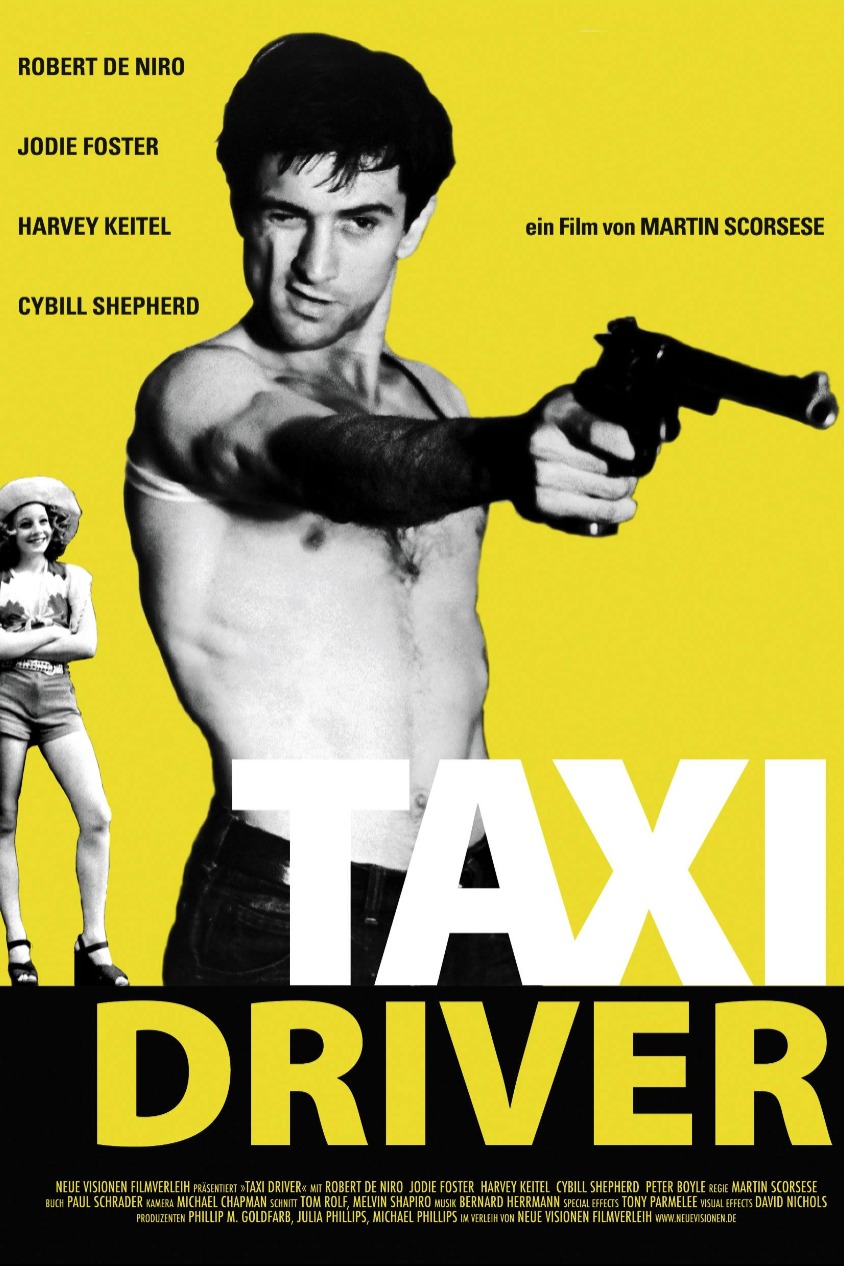
In the later years of his career, Herrmann worked with a new generation of filmmakers, including François Truffaut and Brian De Palma. He composed the haunting score for Taxi Driver (1976), directed by Martin Scorsese, blending jazz and orchestral elements to capture urban alienation and moral decay. The score earned him a posthumous Academy Award nomination.
Bernard Herrmann passed away on 24 December 1975, just hours after completing the recording of the Taxi Driver score.