Personal info
Known for
Director
Gender
Male
Birthday
21 February
Location
New York, United States
Edit pageBob Rafelson
Biography
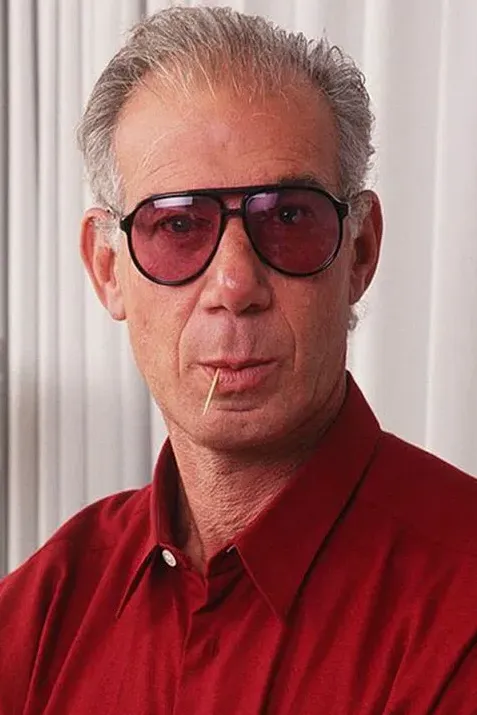
Bob Rafelson was an influential American film director, producer, and screenwriter whose work helped redefine Hollywood cinema in the late 1960s and 1970s. A key figure of the “New Hollywood” movement, he brought a fresh, character-driven realism to American films and played a crucial role in launching the careers of several major actors.
Early Life and Background
Bob Rafelson was born on February 21, 1933, in New York City. Raised in a well-off family with business interests, he initially resisted following a conventional career path. In his youth, he traveled extensively, worked various odd jobs—including as a rodeo hand and jazz musician—and briefly studied philosophy.
These eclectic experiences deeply influenced his filmmaking style, which often explored themes of alienation, identity, rebellion, and the search for meaning in modern America.
Breakthrough with Television: The Monkees
In the mid-1960s, Rafelson co-created the television series The Monkees with producer Bert Schneider. The show followed a fictional pop band inspired by The Beatles’ films and became a massive commercial success.
Although designed as light entertainment, The Monkees displayed Rafelson’s experimental streak—breaking the fourth wall, using jump cuts, and incorporating surreal humor. The success of the show gave him leverage in Hollywood and allowed him to pursue more ambitious cinematic projects.
In 1968, he directed the psychedelic feature film Head, starring the Monkees. Though not a box office hit at the time, it later gained cult status for its avant-garde style and satirical commentary on fame and media culture.
Rise in the New Hollywood Era
Rafelson became one of the defining voices of the New Hollywood movement, alongside filmmakers like Martin Scorsese and Francis Ford Coppola.
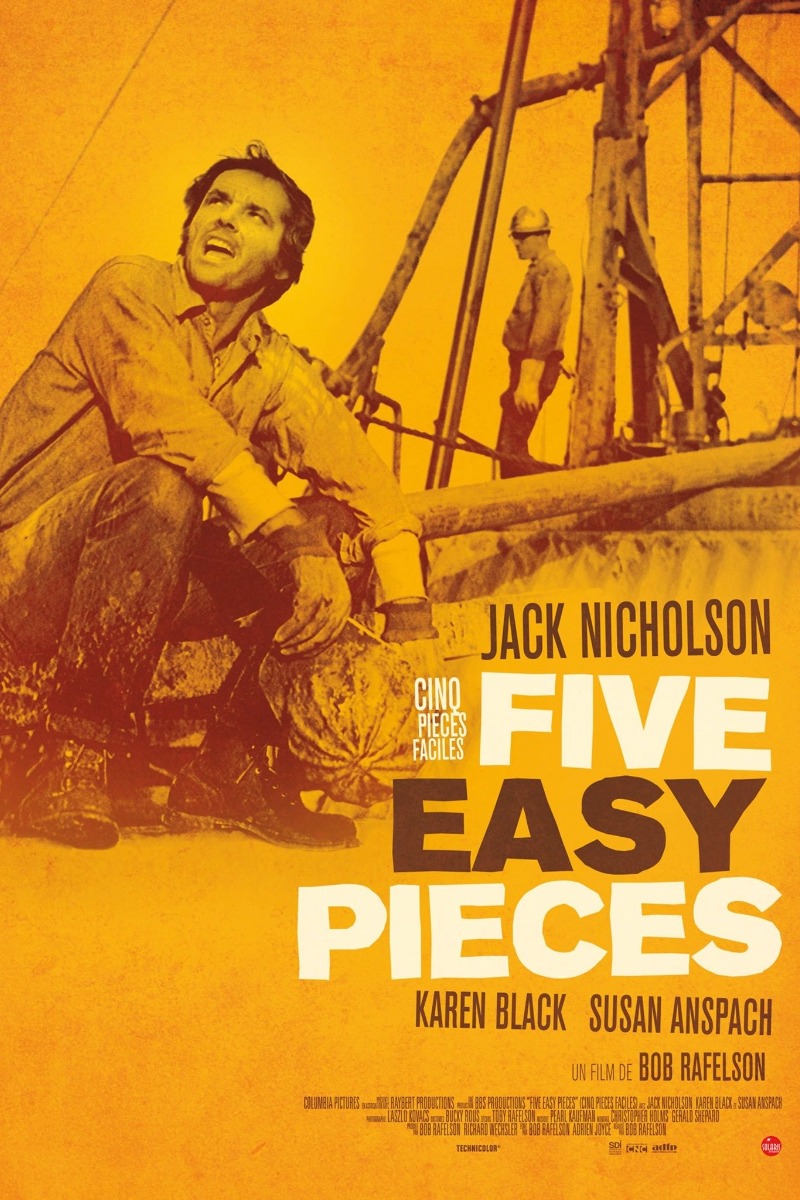
Five Easy Pieces (1970)
His most celebrated film, Five Easy Pieces, starred Jack Nicholson as a disaffected oil-rig worker from an upper-class family. The film became a critical and commercial success, earning multiple Academy Award nominations.
It is widely regarded as a defining portrait of American restlessness and disillusionment during the Vietnam War era. Rafelson’s understated direction and focus on complex characters set a new tone for American dramas.
Collaboration with Jack Nicholson
Rafelson and Nicholson formed one of the era’s most productive director-actor partnerships. Beyond Five Easy Pieces, they worked together on:
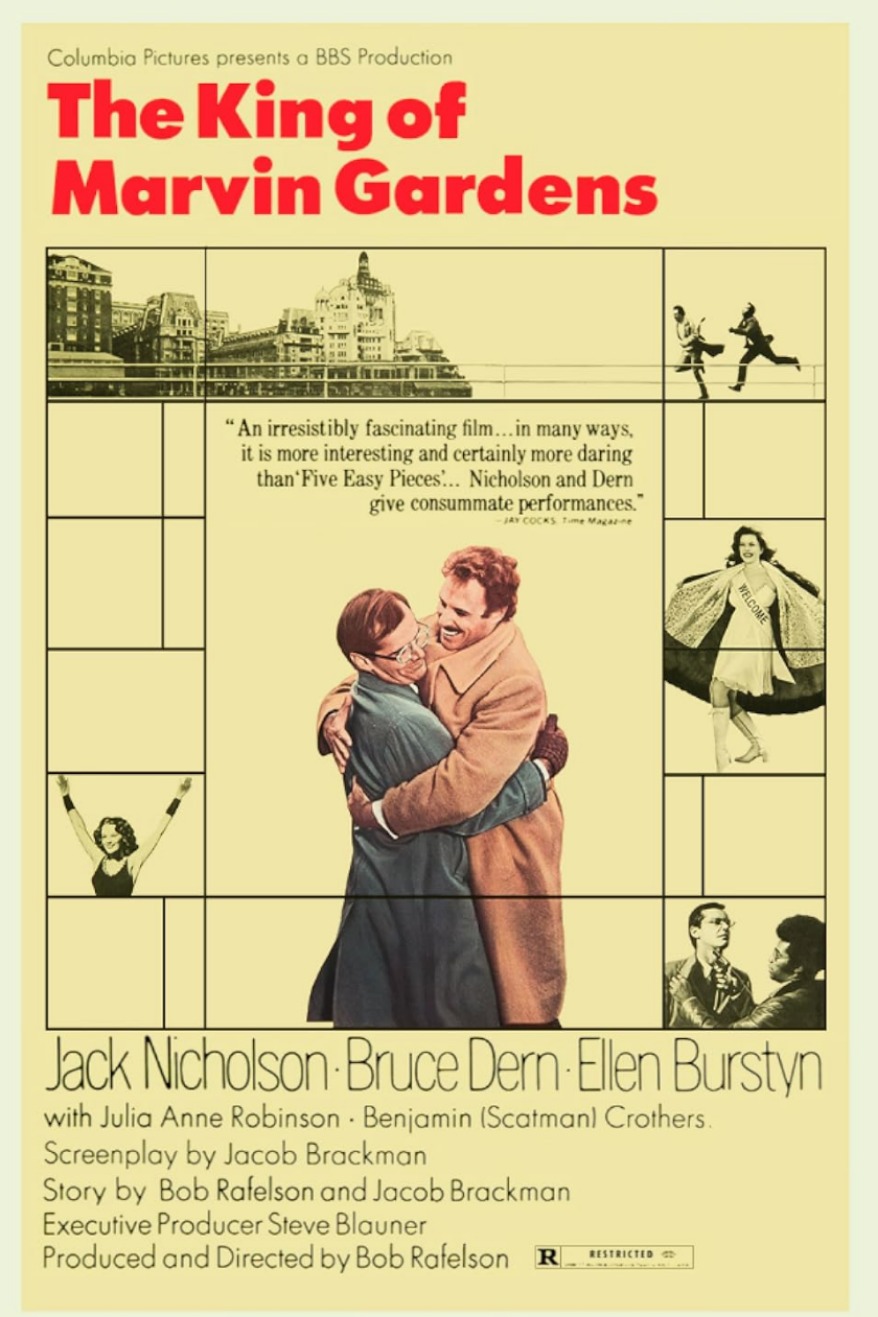
The King of Marvin Gardens (1972)
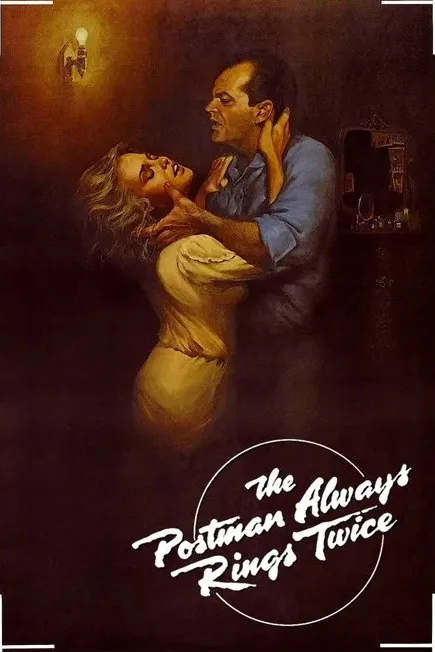
The Postman Always Rings Twice (1981)
These films often examined flawed masculinity, ambition, and moral ambiguity.
As a Producer: Easy Rider
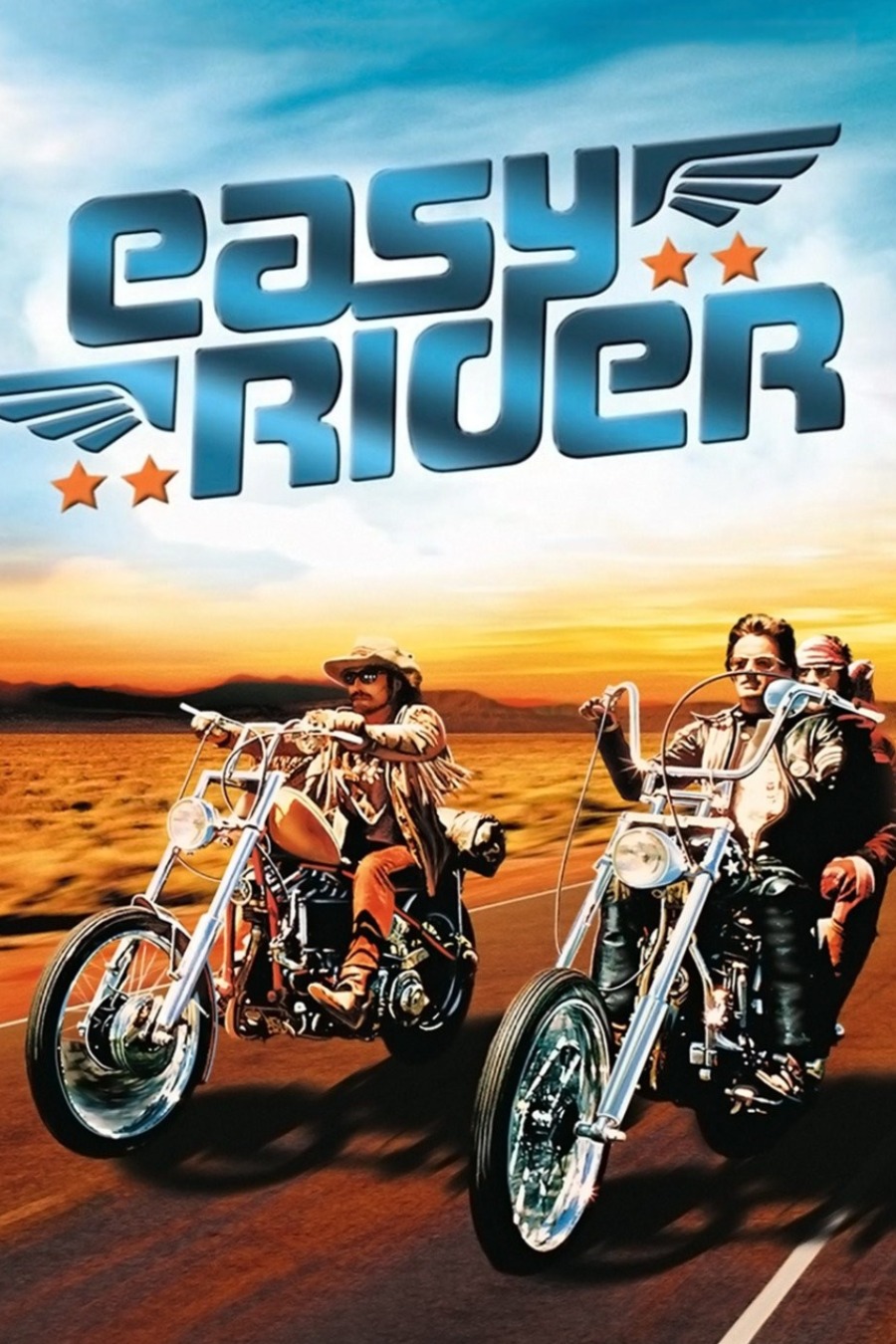
Rafelson was also a producer on Easy Rider, directed by Dennis Hopper and starring Hopper and Nicholson. The film became a cultural phenomenon and a landmark of independent American cinema, proving that low-budget, countercultural films could achieve mainstream success.
Its triumph solidified the rise of young filmmakers and helped shift creative control away from traditional studio executives.
Later Career
Throughout the 1980s and 1990s, Rafelson continued directing films that explored complex emotional and psychological landscapes. Notable works include:
Mountains of the Moon – An epic historical drama about the search for the source of the Nile.
Man Trouble – A romantic black comedy starring Jack Nicholson.
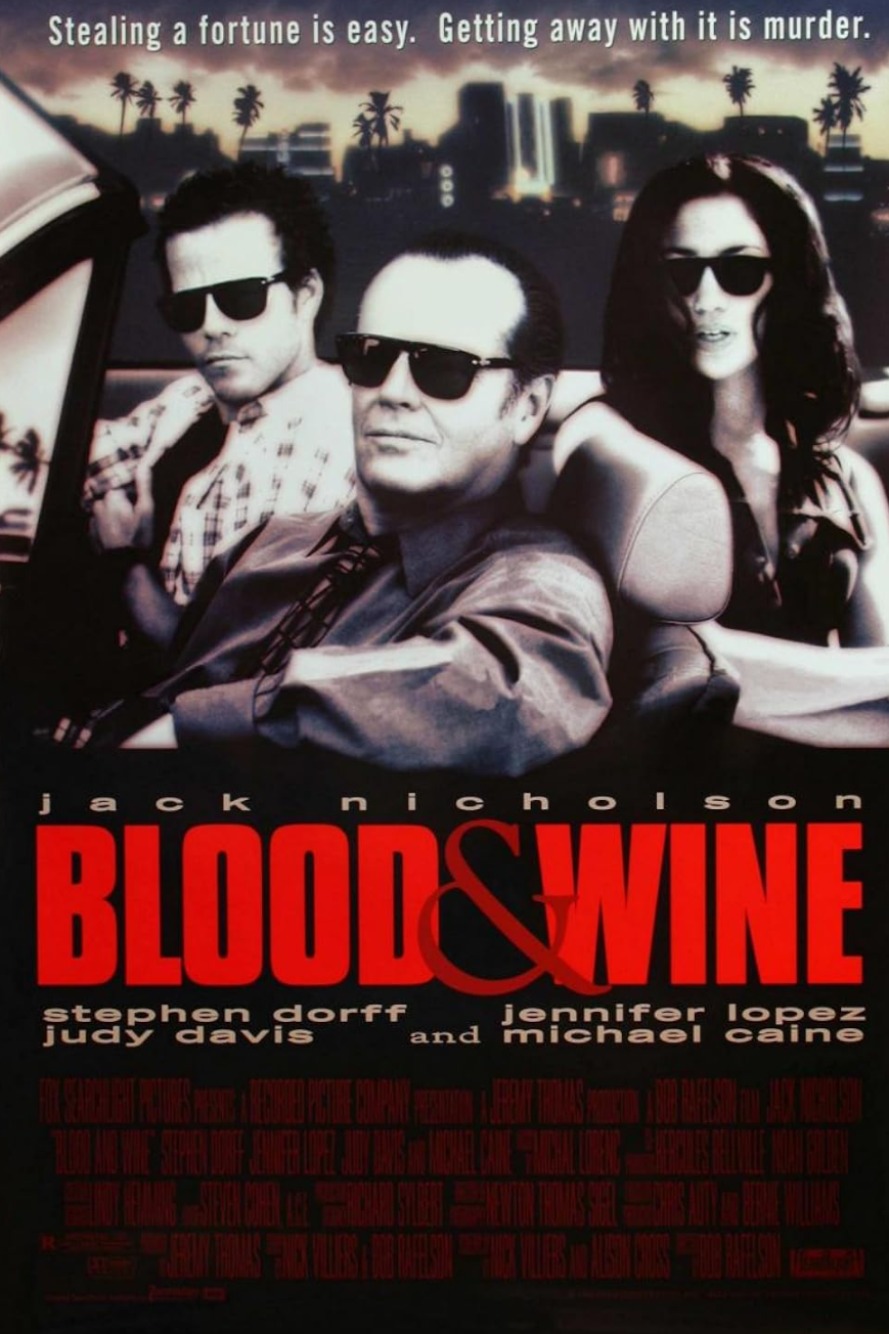
Blood and Wine – A crime thriller featuring Nicholson and Michael Caine.
Although his later films did not achieve the same cultural impact as his early 1970s work, they demonstrated his continued interest in morally conflicted characters and human vulnerability.
Personal Life and Death
Bob Rafelson maintained a relatively private personal life. He was married twice and had children. In later years, he divided his time between the United States and Mexico.
He passed away on July 23, 2022, at the age of 89. His death marked the passing of one of the last major architects of the New Hollywood revolution.