Personal info
Known for
Cinematographer
Gender
Male
Birthday
24 August
Location
Podlaskie, Poland
Edit pageBoris Kaufman
Biography
Boris Kaufman was an acclaimed cinematographer whose career connected European filmmaking traditions with American cinema. Known for his realistic visual style and sensitive use of light and location photography, he became one of the most respected cinematographers of the postwar period.
Early Life
Boris Kaufman was born on August 24, 1906, in Białystok, Russian Empire, which is now part of Poland. He grew up in a culturally and artistically active family.
Kaufman was the younger brother of two major figures in international cinema: Dziga Vertov, the pioneering Soviet filmmaker and documentary theorist, and Mikhail Kaufman, a noted Soviet cinematographer and filmmaker.
Growing up alongside these influential filmmakers exposed Boris to cinema and visual experimentation from an early age.
Career in Europe
Kaufman began his filmmaking career in Europe and worked in France during the 1920s and 1930s.
He became associated with documentary and realistic filmmaking and worked with important French directors. One of his most significant collaborations was with Jean Vigo.
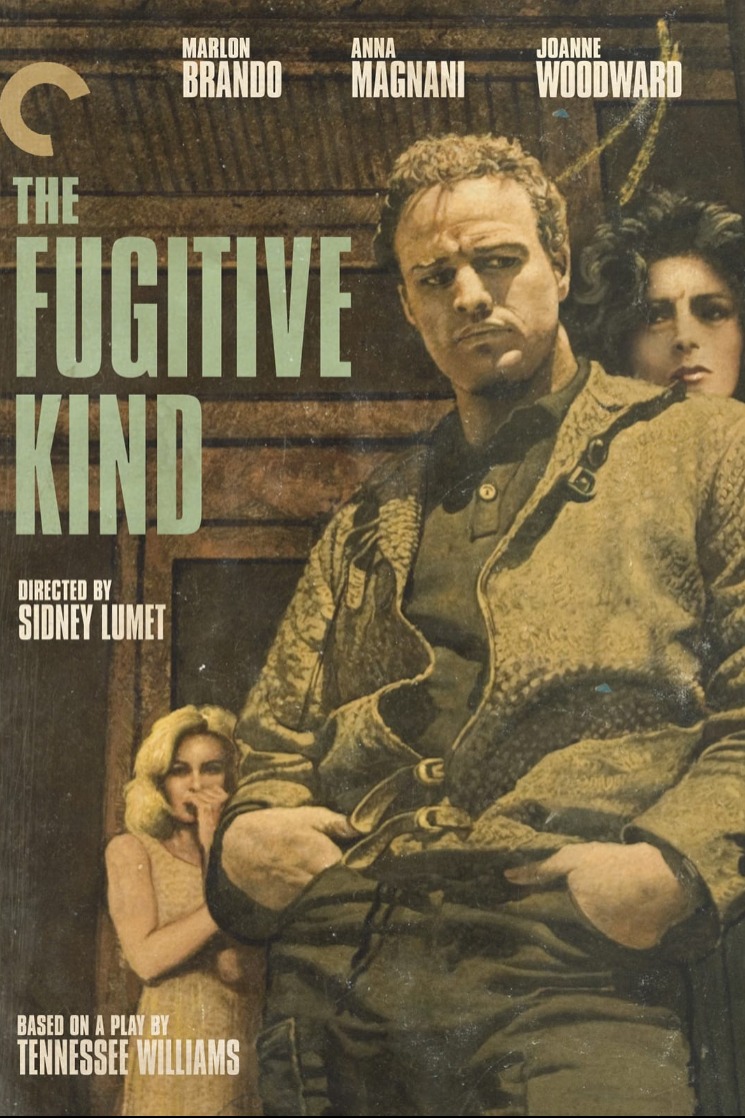
Kaufman served as cinematographer on Vigo's celebrated films ** À propos de Nice (1930)** and ** Zero for Conduct (1933). He also photographed Vigo's final feature, ** L'Atalante (1934).
These films later became recognized as landmarks of French cinema, and Kaufman's photography contributed greatly to their distinctive visual character.
Move to the United States
Following the outbreak of the Second World War, Kaufman eventually moved to the United States.
He settled in New York and became involved in documentary filmmaking and television. His European background and experience with location shooting proved valuable as American cinema increasingly adopted more realistic visual approaches.
On the Waterfront
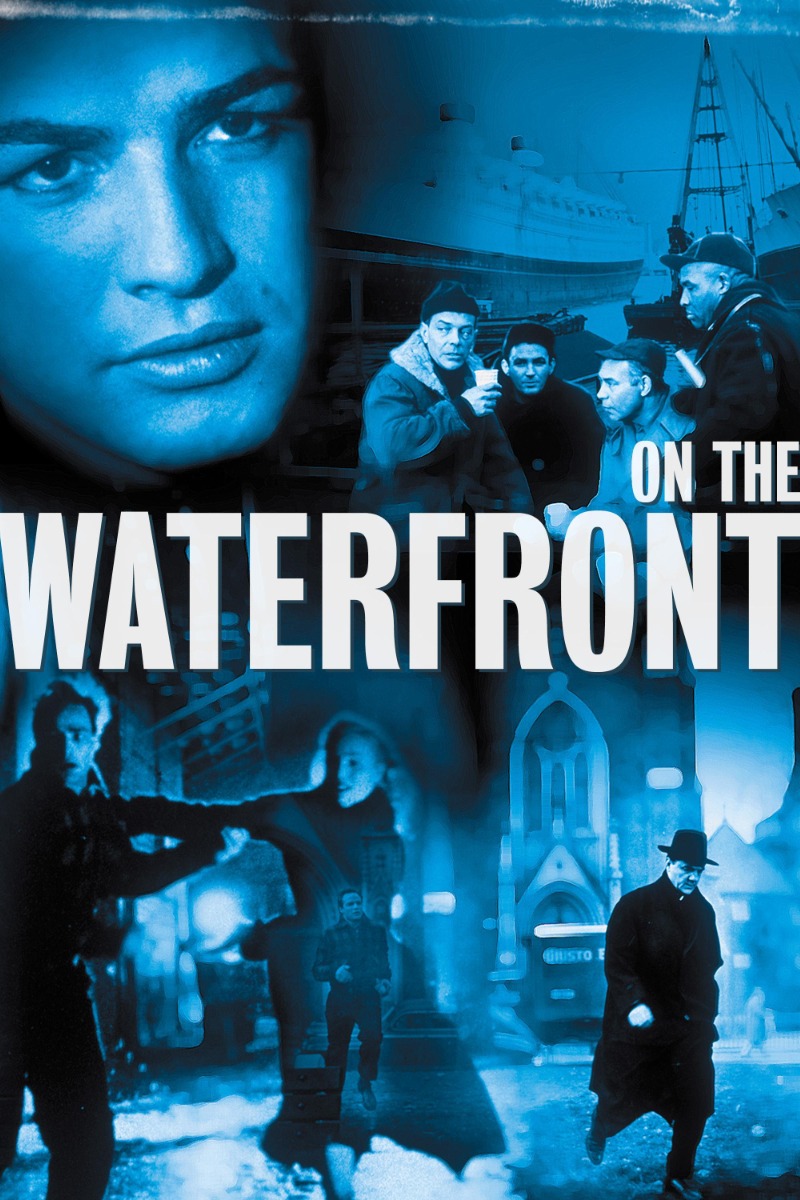
Kaufman's most famous American film was ** On the Waterfront (1954)**, directed by Elia Kazan.
The film starred Marlon Brando as Terry Malloy and featured Karl Malden, Eva Marie Saint, Lee J. Cobb, and Rod Steiger.
Kaufman's cinematography emphasized the gritty atmosphere of the New York waterfront. Instead of presenting the city as a glamorous studio environment, he used location photography, naturalistic lighting, and carefully composed images to create a documentary-like sense of realism.
His work earned him the Academy Award for Best Cinematography.
Other Notable Films
Kaufman worked on numerous films and television productions throughout his American career.
His notable cinematography credits include:
- The Naked City (1948)
- The Quiet One (1948)
- On the Waterfront (1954)
- 12 Angry Men (1957)
- The Pawnbroker (1964)
- The Group (1966)
- Bye Bye Braverman (1968)
- The Anderson Tapes (1971)
He frequently worked on socially conscious dramas and films that relied on realistic settings.
Collaboration with Sidney Lumet
Kaufman also worked with director Sidney Lumet, another filmmaker known for realistic urban dramas.
Their collaboration on ** 12 Angry Men (1957)** produced one of the best-known courtroom films in American cinema. Kaufman's photography helped create a confined and increasingly tense atmosphere as the jurors debate the case.
His work with Lumet demonstrated his ability to use cinematography to intensify psychological drama without relying on elaborate visual effects.
Awards and Recognition
Kaufman's greatest professional honor came with ** On the Waterfront**, for which he won the Academy Award for Best Cinematography.
His work was also recognized by critics and professional organizations throughout his career. His contribution to realistic American filmmaking became particularly important during the transition away from the highly stylized studio aesthetic of earlier decades.
Personal Life
Kaufman maintained a relatively private personal life. His family connection to Dziga Vertov and Mikhail Kaufman remains an unusual and important part of his place in cinema history, as all three brothers made significant contributions to filmmaking in different countries and traditions.
Death
Boris Kaufman died on June 24, 1980, in New York City, United States, at the age of 73.