Personal info
Known for
Cinematographer
Gender
Male
Birthday
27 March
Location
Utah, United States
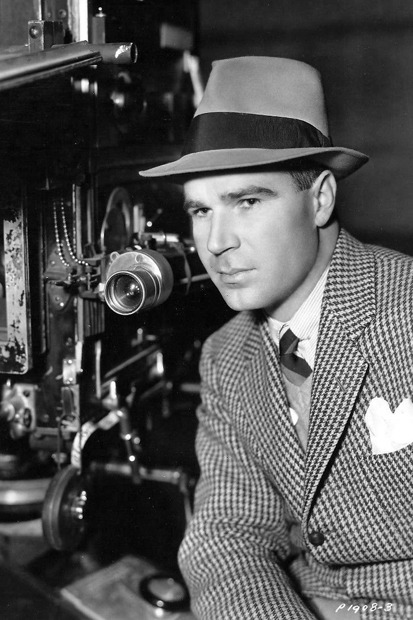
Edit pageCharles Lang
Biography
Charles Bryant Lang Jr. was an American cinematographer whose remarkable career shaped the visual style of Hollywood cinema from the silent film era through the 1970s. Known for his artistic use of lighting, composition, and camera movement, he became one of the most respected cinematographers in film history.
Early Life
Charles Lang was born on March 27, 1902, in Bluff, Utah, United States. His father, Charles Bryant Lang Sr., was a photographer, which influenced his early interest in visual arts.
Lang initially studied law at the University of Southern California but soon changed his career path and entered the film industry. He began working at Realart Studio, where he gained experience as a laboratory assistant and still photographer before moving into camera work.
Early Career
Lang started his cinematography career during the silent film era. His early credits included work as a camera assistant and cinematographer on silent productions.
In 1929, he joined Paramount Pictures as a director of photography, where he became one of the studio's leading visual artists. During the 1930s and 1940s, he helped establish Paramount's reputation for sophisticated and stylish cinematography.
Academy Award Success
Lang won the Academy Award for Best Cinematography for ** A Farewell to Arms (1932)**, based on Ernest Hemingway's novel.
The film's dramatic lighting and emotional visual style became a major achievement in early sound cinema. Lang's success established him as one of Hollywood's top cinematographers.
Notable Films of the 1930s and 1940s
During the Golden Age of Hollywood, Lang photographed many important films, including:
- The Big Trail (1930)
- A Farewell to Arms (1932)
- The Lives of a Bengal Lancer (1935)
- The Ghost and Mrs. Muir (1947)
- A Foreign Affair (1948)
He became admired for his ability to create different moods, from romantic elegance to dark psychological drama.
Film Noir and Dramatic Photography
In the 1950s, Lang's visual style became especially effective in film noir and crime dramas.
Some of his most notable noir works included:
- Ace in the Hole (1951)
- The Big Heat (1953)
- Sudden Fear (1952)
His use of shadows, contrast, and atmospheric lighting helped define the look of many classic noir films.
Sabrina and Romantic Cinema
Lang photographed ** Sabrina (1954)**, directed by Billy Wilder and starring Humphrey Bogart, Audrey Hepburn, and William Holden.
His elegant black-and-white cinematography enhanced the film's romantic atmosphere and contributed to its timeless visual appeal.
Some Like It Hot
One of Lang's most famous works was ** Some Like It Hot (1959)**, directed by Billy Wilder.
The comedy starring Marilyn Monroe, Tony Curtis, and Jack Lemmon became a landmark film, and Lang's cinematography helped balance its sophisticated style with its fast-paced humor.
The Magnificent Seven
Lang photographed the classic Western ** The Magnificent Seven (1960)**.
His wide compositions and sweeping outdoor photography helped create the epic feel of the film and demonstrated his ability to handle large-scale color productions.
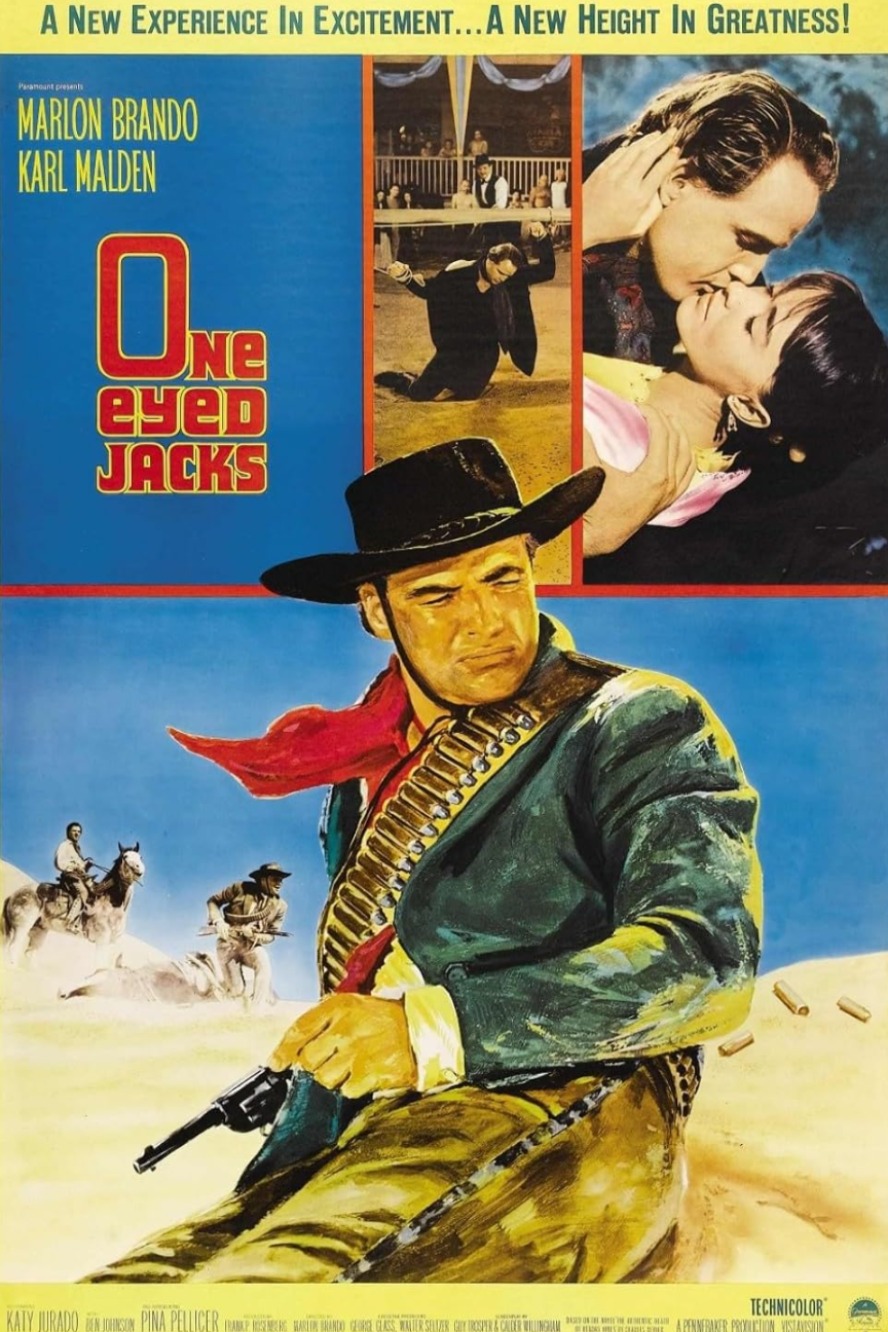
One-Eyed Jacks
Lang served as cinematographer on ** One-Eyed Jacks (1961)**, directed by and starring Marlon Brando.
The Western follows Rio, an outlaw seeking revenge against his former partner Dad Longworth after being betrayed. Lang's photography captured the film's dramatic landscapes and emotional intensity. His work earned an Academy Award nomination for Best Cinematography, Color.
Later Career
Lang continued working successfully into the 1970s. His later films included:
- How the West Was Won (1962)
- Charade (1963)
- How to Steal a Million (1966)
- Bob & Carol & Ted & Alice (1969)
- Butterflies Are Free (1972)
He adapted to changing filmmaking techniques and continued producing high-quality visual work across different genres.
Cinematic Style
Charles Lang was known for:
- Elegant lighting techniques
- Strong visual composition
- Creative camera movement
- Ability to photograph actors beautifully
- Mastery of both black-and-white and color cinematography
He was especially skilled at creating atmosphere and using light to express character emotions.
Awards and Recognition
Lang received 18 Academy Award nominations for Best Cinematography, making him one of the most nominated cinematographers in Oscar history. He won once for A Farewell to Arms.
In 1991, he received the American Society of Cinematographers Lifetime Achievement Award for his outstanding contribution to cinematography.
Personal Life
Charles Lang was married to Hyca Lang, and they had one child. His granddaughter is actress Katherine Kelly Lang, known for her work in television.
Death
Charles Lang died on April 3, 1998, in Santa Monica, California, at the age of 96. He died from pneumonia.