Denis Villeneuve
Biography
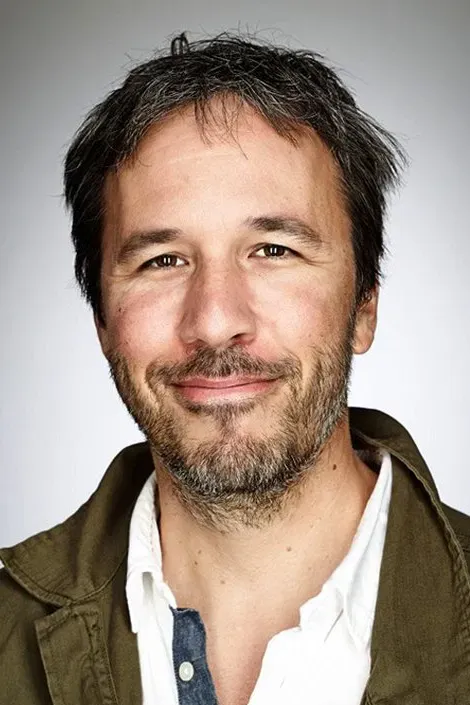
Denis Villeneuve is one of the most influential filmmakers of contemporary cinema, known for his visually striking style, philosophical depth, and ability to blend arthouse sensibilities with large-scale storytelling. From intimate psychological dramas to ambitious science-fiction epics, Villeneuve has built a career defined by precision, emotional intensity, and intellectual ambition.
Early Life and Background
Denis Villeneuve was born on October 3, 1967, in Bécancour, Quebec, Canada. He developed an interest in cinema at a young age and later studied filmmaking at the Université du Québec à Montréal. His early exposure to European cinema and auteur filmmakers strongly shaped his artistic outlook, encouraging him to pursue thoughtful, character-driven narratives.
Villeneuve first gained public attention after winning a national short-film competition, which helped launch his professional career in filmmaking.
Early Career and Breakthrough
Villeneuve began his career directing short films before transitioning to feature-length projects in the late 1990s. His early French-language films explored themes of identity, morality, and emotional conflict. While these films earned critical praise in Canada, it was Polytechnique (2009) that marked his international breakthrough. The stark, emotionally powerful film addressed the 1989 Montreal massacre with restraint and sensitivity, establishing Villeneuve as a filmmaker unafraid of difficult subject matter.
He followed this with Incendies (2010), a powerful drama based on the play by Wajdi Mouawad. The film received widespread acclaim and was nominated for an Academy Award for Best International Feature Film. Its nonlinear storytelling, emotional weight, and moral complexity brought Villeneuve global recognition.
Transition to Hollywood
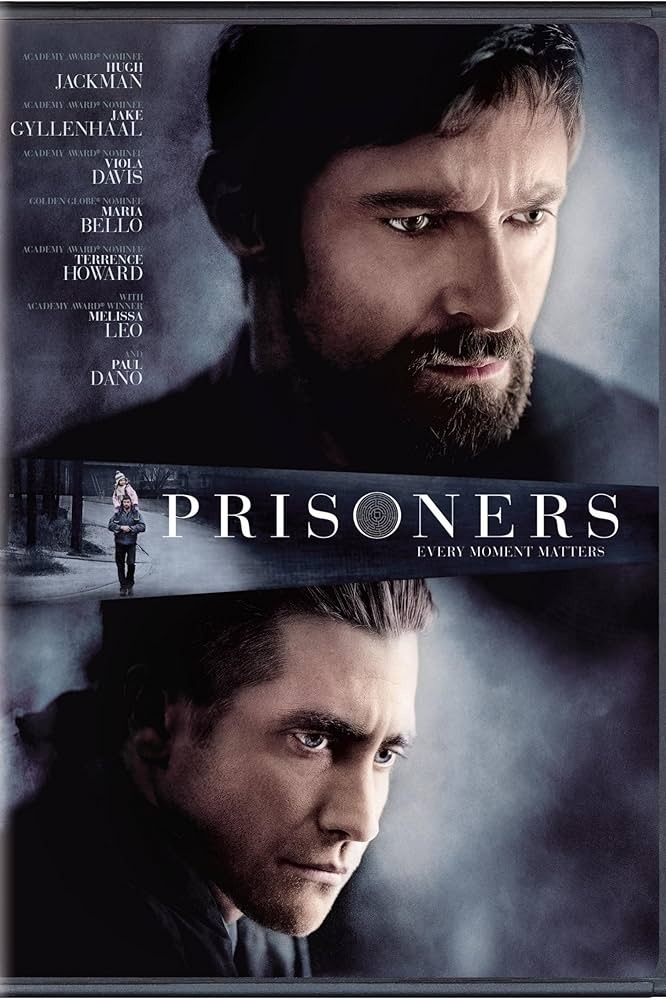
Villeneuve successfully transitioned to Hollywood without compromising his artistic identity. His first major English-language film, Prisoners (2013), starred Hugh Jackman and Jake Gyllenhaal and explored themes of justice, vengeance, and moral ambiguity. The film was praised for its intense performances and haunting atmosphere.
This was followed by Enemy (2013), a surreal psychological thriller that further demonstrated Villeneuve’s interest in symbolism and existential themes. Sicario (2015) cemented his reputation as a master of tension, offering a gritty, morally complex portrayal of the war on drugs.
Science Fiction and Global Recognition
Villeneuve achieved widespread acclaim with Arrival (2016), a thoughtful science-fiction film that examined language, time, and human connection. The film earned multiple Academy Award nominations, including Best Director, and was praised for redefining the genre with emotional and intellectual depth.
He then took on the ambitious task of directing Blade Runner 2049 (2017), a sequel to the cult classic. Despite high expectations, Villeneuve delivered a visually stunning and philosophically rich film that was widely acclaimed for honoring the original while expanding its universe.
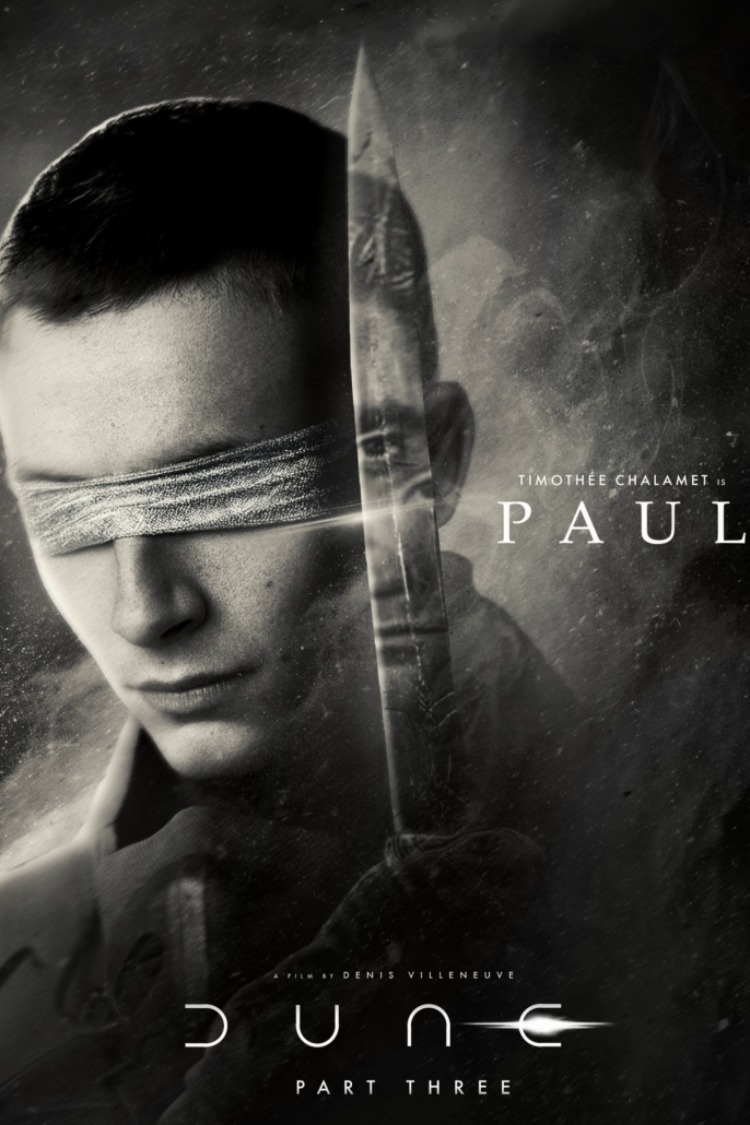
His most ambitious project to date, Dune (2021), adapted Frank Herbert’s complex science-fiction novel. The film was praised for its scale, world-building, and visual artistry, becoming both a critical and commercial success. Villeneuve continued the saga with Dune: Part Two (2024), further solidifying his status as a leading filmmaker of epic cinema.