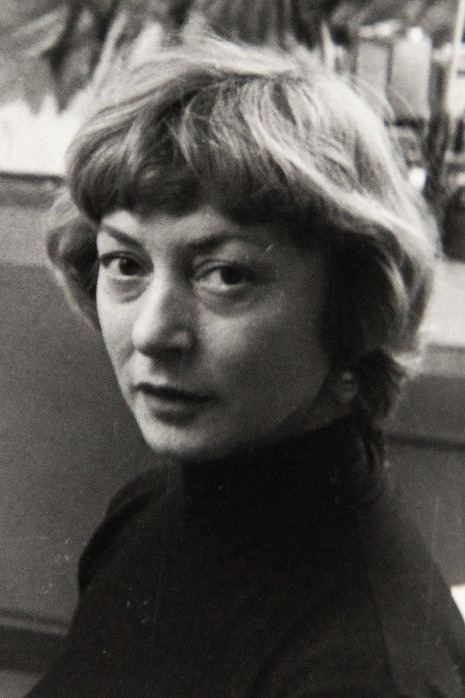
Personal info
Known for
Ultimate Talent
Gender
Female
Birthday
12 March
Location
New York, United States
Edit pageElaine de Kooning
Biography
Elaine de Kooning was an influential American painter, art critic, and educator associated with the Abstract Expressionist movement. Known for her energetic brushwork and expressive portraiture, she played a significant role in shaping postwar American art. Though often linked with her husband, Willem de Kooning, she established a distinct artistic identity of her own.
Early Life and Education
Elaine de Kooning was born Elaine Marie Catherine Fried on March 12, 1918, in Brooklyn, New York. From a young age, she demonstrated a passion for art and literature. She studied at various institutions in New York City, where she became deeply engaged with modernist ideas and avant-garde artistic circles.
Her early exposure to the vibrant New York art scene of the 1930s and 1940s positioned her at the center of what would later become known as the New York School.
Career and Abstract Expressionism
Elaine de Kooning became associated with Abstract Expressionism, a movement that emphasized spontaneous, gestural painting and emotional intensity. Unlike some of her contemporaries who focused purely on abstraction, she often blended abstraction with figurative elements.
Her paintings are characterized by:
Rapid, dynamic brushstrokes
Bold color contrasts
Expressive portraiture
A sense of movement and immediacy
She believed that painting should capture vitality and psychological presence rather than precise realism.
Portraiture and Notable Works
Although deeply involved in abstract art, Elaine de Kooning gained particular recognition for her portraits. One of her most famous projects was her series of portraits of President John F. Kennedy in the early 1960s. These works captured the energy and charisma of their subject through loose, expressive techniques rather than formal realism.
Her ability to merge abstraction with recognizable imagery distinguished her within the Abstract Expressionist circle.
Art Criticism and Writing
In addition to painting, Elaine de Kooning was an accomplished writer and art critic. She wrote essays and reviews for major art publications, offering thoughtful commentary on her peers and the evolving art scene. Her writing demonstrated intellectual rigor and contributed significantly to discussions surrounding modern art.
Her dual role as artist and critic allowed her to influence both practice and theory within the movement.
Teaching and Later Years
Elaine de Kooning was also dedicated to education, teaching at several universities across the United States. She inspired younger generations of artists with her dynamic approach and openness to experimentation.
In her later years, she continued to experiment with style, incorporating new influences and techniques while maintaining her expressive energy.
Legacy
Elaine de Kooning passed away on February 1, 1989. Today, she is recognized not only as a key figure in Abstract Expressionism but also as a pioneering woman artist who carved out a space in a predominantly male movement.