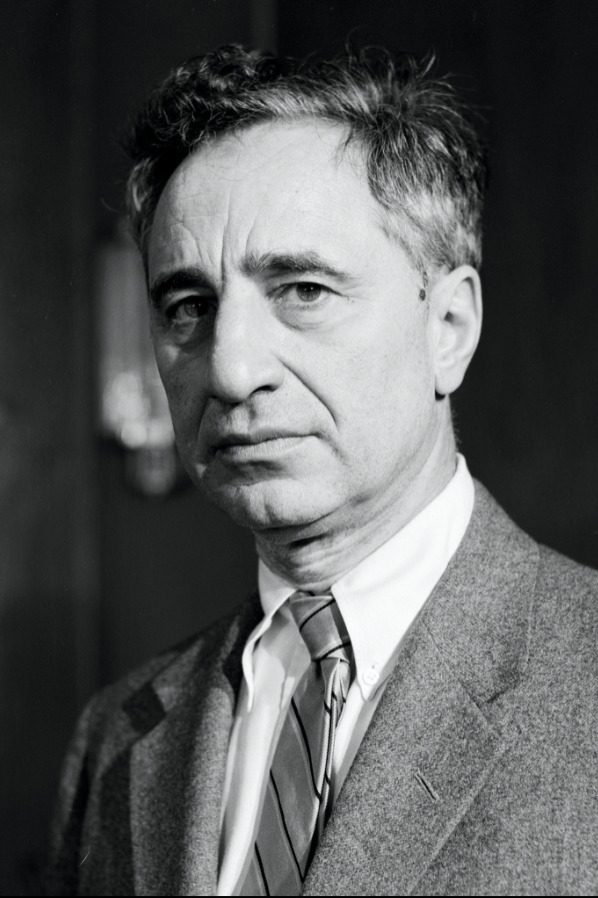
Personal info
Known for
Director
Gender
Male
Birthday
07 September
Location
İstanbul, Turkey
Edit pageElia Kazan
Biography
Elia Kazan was born on September 7, 1909, in Istanbul, then part of the Ottoman Empire (modern-day Turkey), to Greek parents. His family emigrated to the United States when he was a child, settling in New York City. Kazan grew up in a culturally diverse environment and later attended Williams College before studying drama at the Yale School of Drama.
Early Career in Theatre
Kazan began his career as an actor with the influential Group Theatre in the 1930s. He soon transitioned into directing, where he found his true calling. He became a key figure in American theater, directing groundbreaking productions that emphasized emotional realism.
He was also closely associated with the Actors Studio, where he helped develop and promote Method acting alongside figures like Lee Strasberg.
Transition to Film
Kazan moved into filmmaking in the 1940s and quickly established himself as one of Hollywood’s most important directors. His films often explored social issues, personal conflict, and moral dilemmas.
Major Film Successes
Elia Kazan directed several critically acclaimed and influential films, including:
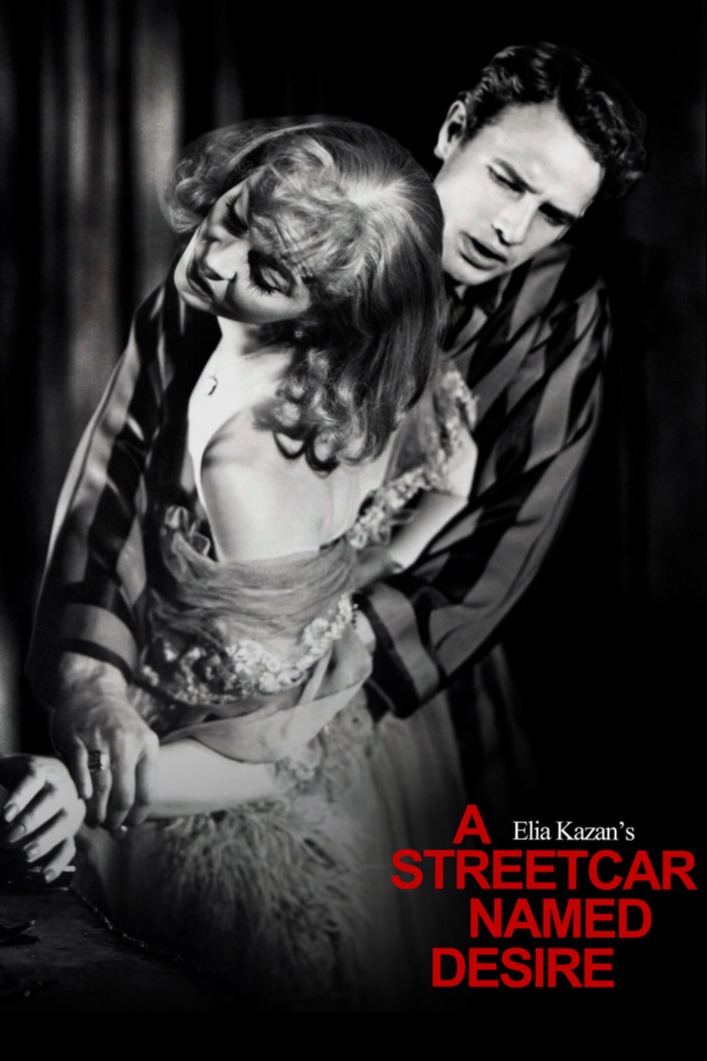
A Streetcar Named Desire, starring Marlon Brando
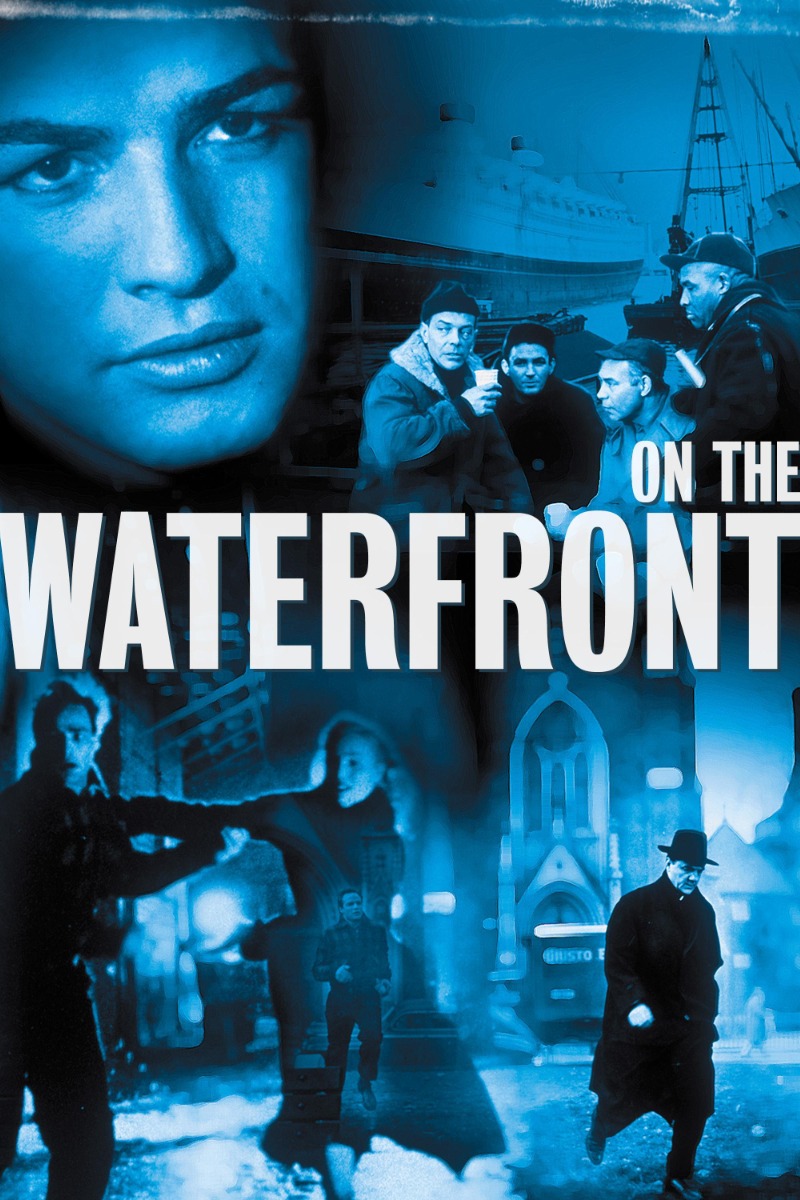
On the Waterfront, which won multiple Academy Awards
East of Eden, featuring James Dean
Gentleman's Agreement, addressing antisemitism
His direction helped launch or elevate the careers of several major actors, including Marlon Brando and James Dean.
Style and Themes
Kazan was known for his intense, character-driven storytelling and his use of Method acting techniques. His films often dealt with themes such as:
- Social injustice and prejudice
- Personal integrity and betrayal
- Identity and moral conflict
His work brought a new level of psychological realism to American cinema.
Controversy
Kazan’s legacy is complex due to his testimony before the House Un-American Activities Committee in 1952, where he named former colleagues suspected of communist ties. This decision was highly controversial and affected his reputation within the industry.
Awards and Recognition
Despite the controversy, Kazan received numerous accolades, including:
- Two Academy Awards for Best Director
- An Honorary Academy