Personal info
Known for
Ultimate Talent
Gender
Male
Birthday
09 March
Location
New York, United States
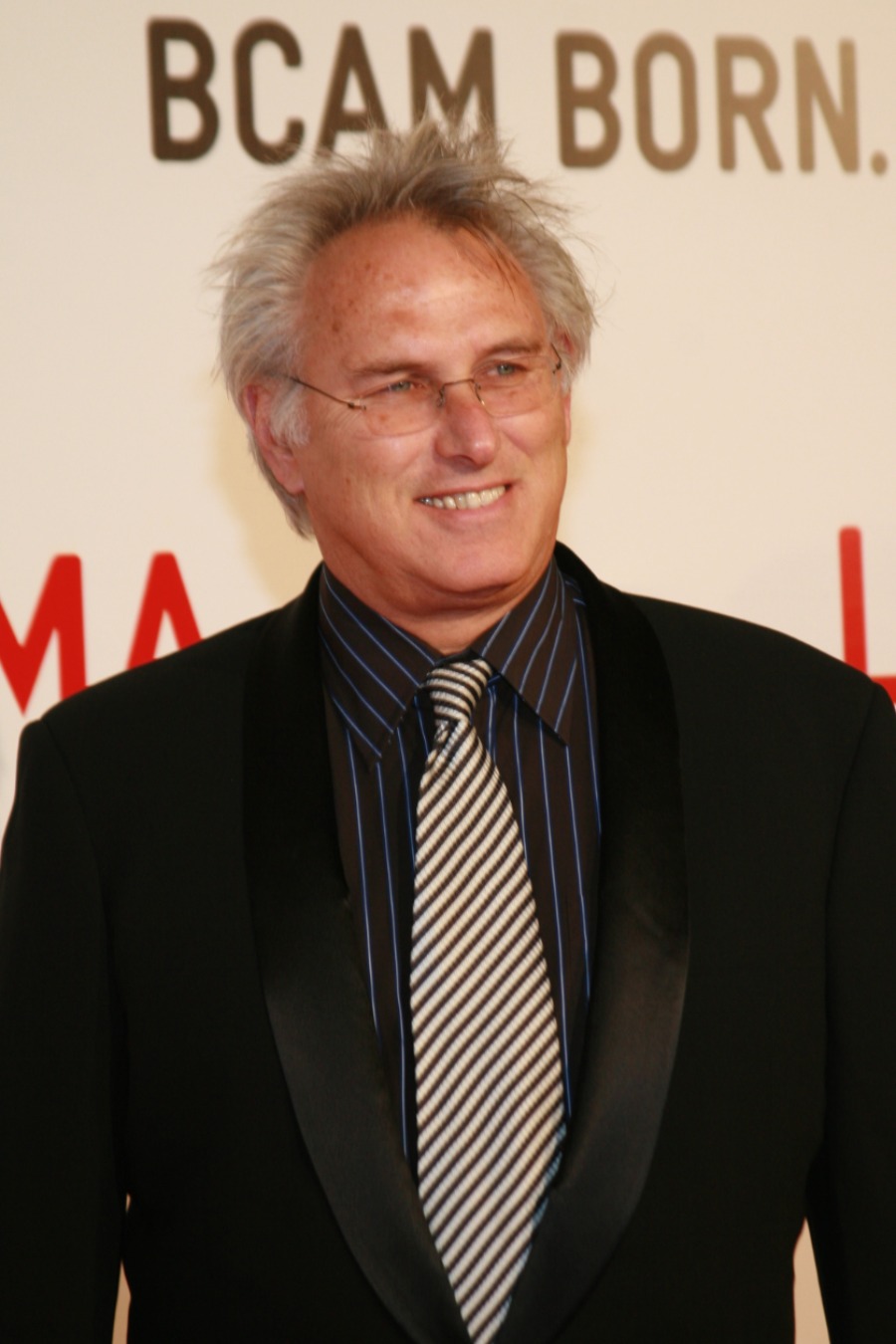
Edit pageEric Fischl
Biography
Eric Fischl is an American painter and sculptor best known for his provocative figurative works that explore themes of suburban life, sexuality, vulnerability, and psychological tension. Rising to prominence in the 1980s, Fischl became one of the leading figures in the revival of figurative painting in contemporary American art.
Early Life and Education
Eric Fischl was born on March 9, 1948, in New York City and grew up in suburban Long Island. His upbringing in a middle-class suburban environment would later become central to the subject matter of his art.
He studied at the California Institute of the Arts (CalArts), where he was influenced by conceptual art but ultimately gravitated toward figurative painting, which was then considered unfashionable in the contemporary art world.
Career and Breakthrough
Fischl gained recognition in the late 1970s and early 1980s for large-scale paintings depicting suburban domestic scenes filled with emotional ambiguity and tension. His works often portray:
Quiet yet psychologically charged family interactions
Themes of adolescence and sexual awakening
Emotional isolation beneath outward normalcy
The hidden complexities of everyday life
His bold subject matter and expressive realism challenged the dominance of minimalism and conceptual art at the time.
Style and Technique
Fischl’s style combines expressive brushwork with carefully composed figurative scenes. His paintings are known for:
Dramatic lighting
Naturalistic yet slightly distorted figures
Emotional intensity
Narrative ambiguity
He invites viewers to interpret the relationships and psychological undercurrents within his scenes.
Sculpture and Public Art
In addition to painting, Fischl has created notable sculptures. One of his most discussed works is Tumbling Woman, a bronze sculpture created in response to the September 11 attacks. The piece sparked debate due to its sensitive subject matter but reflected Fischl’s ongoing exploration of vulnerability and human fragility.