Personal info
Known for
Music Director
Gender
Male
Birthday
28 November
Location
Santa Fe, Argentina
Edit pageGato Barbieri
Biography
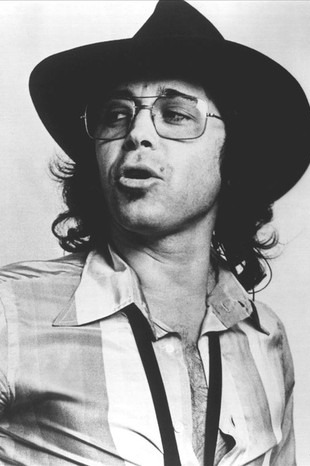
Gato Barbieri, born Leandro José Barbieri, was an Argentine tenor saxophonist and composer celebrated for combining jazz with Latin American musical traditions. His career moved from early jazz and avant-garde experimentation to a distinctive fusion of free jazz, Argentine music, Brazilian influences, and popular styles.
Early Life
Gato Barbieri was born on November 28, 1932, in Rosario, Argentina. He grew up in a musical family and developed an interest in jazz after hearing Charlie Parker's recording of "Now's the Time." He initially learned the clarinet before moving to the alto saxophone.
He later moved to Buenos Aires, where he became involved in the Argentine jazz scene. During the 1950s, he worked with pianist and bandleader Lalo Schifrin, gaining valuable experience as a professional musician.
Development as a Jazz Musician
During the early 1960s, Barbieri moved to Europe and became increasingly involved in the avant-garde jazz movement. While living in Rome, he worked with influential musicians, most notably trumpeter Don Cherry.
He was influenced by musicians such as John Coltrane, Albert Ayler, and Pharoah Sanders, which helped him develop the intense, rough-edged tenor saxophone sound that became his trademark.
Barbieri also participated in ambitious jazz projects including Charlie Haden's Liberation Music Orchestra and Carla Bley's Escalator over the Hill. His music gradually began incorporating stronger South American and Latin American influences.
Rise to International Fame
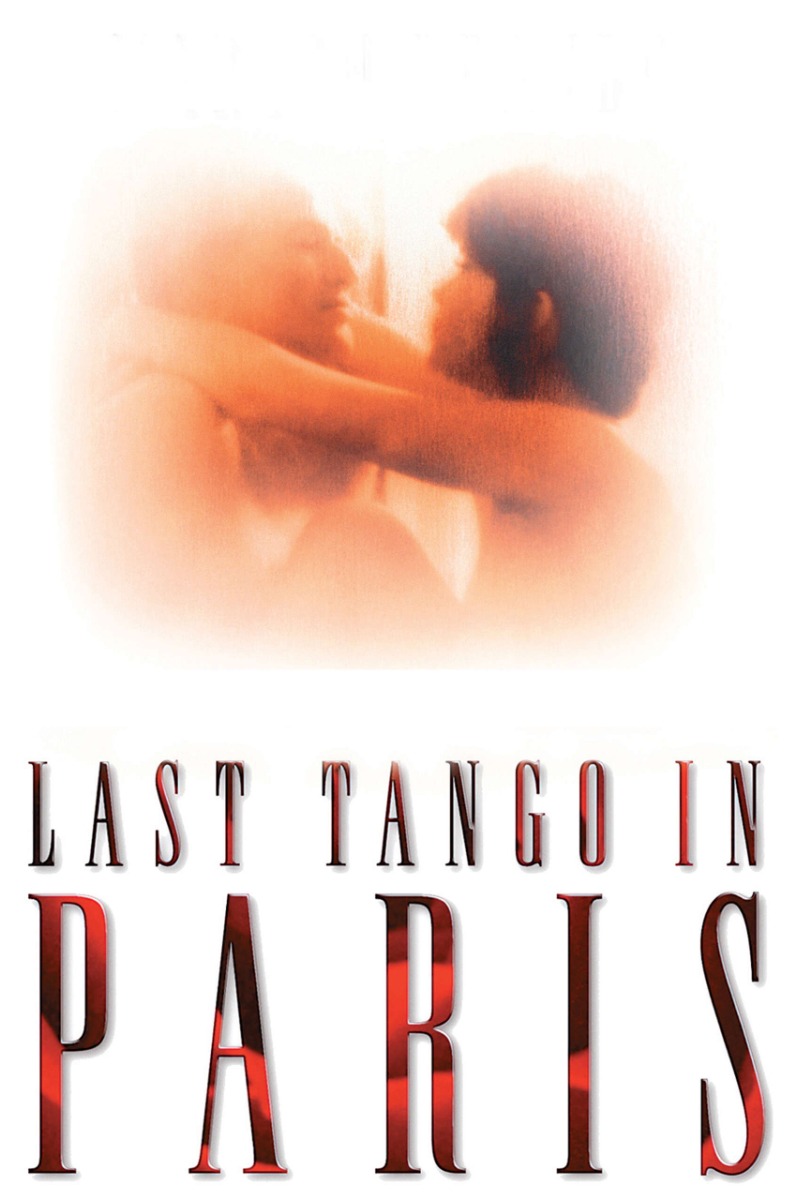
Barbieri became internationally famous after composing the music for Bernardo Bertolucci's Last Tango in Paris (1972).
The film, starring Marlon Brando and Maria Schneider, required music that could convey its melancholy, sensuality, and emotional intensity. Barbieri's saxophone-driven score became one of the most recognizable film soundtracks of the 1970s.
The success of the soundtrack transformed Barbieri from a respected avant-garde jazz musician into an international star. It also opened the door to a successful career as a film composer.
Last Tango in Paris
Barbieri's score for Last Tango in Paris remains his most famous contribution to cinema. The soundtrack blended jazz, tango, orchestral writing, and Latin American influences.
The music included themes such as "Last Tango in Paris – Tango," "Jeanne," "Girl in Black," "Last Tango in Paris – Ballad," and "It's Over."
His work on the film earned him a Grammy Award for Best Instrumental Composition in 1974. He also received a Grammy nomination for Best Score Soundtrack for Visual Media.
Film Music Career
Following the success of Last Tango in Paris, Barbieri became active as a film composer. He worked on several international productions, including:
- Last Tango in Paris (1972)
- The Harem (1967)
- Pindorama (1970)
- Firepower (1979)
- Strangers Kiss (1983)
He also contributed as a saxophone performer and musician to various films and soundtrack projects.
Recording Career
Barbieri recorded extensively as a bandleader. His early-1970s albums for Flying Dutchman Records established him as an important figure in Latin-influenced jazz.
His subsequent recordings included the Chapter series for Impulse! Records and albums such as The Third World, Fenix, El Pampero, Under Fire, and Bolivia. His music during this period combined political awareness, Latin American rhythms, powerful orchestration, and his highly expressive saxophone playing.
During the late 1970s, he moved toward a more accessible jazz and soul-oriented sound and recorded several albums for A&M Records, including Caliente!.
Later Career
Barbieri experienced periods of reduced musical activity during the 1980s and 1990s. Personal tragedy and health problems affected his career.
He eventually returned to recording, releasing Que Pasa in 1997. The album marked an important comeback and reached the upper levels of the contemporary jazz charts.
He continued recording and performing into the 2000s, maintaining a loyal international following.
Awards and Recognition
Among his most important honors was his Grammy Award for Best Instrumental Composition for Last Tango in Paris. He received two Grammy nominations in connection with the soundtrack.
In 2014, Barbieri received a Latin Grammy Lifetime Achievement Award, recognizing his extensive contribution to Latin and international music.
Personal Life
Barbieri was married twice, first to Michelle Barbieri and later to Laura Ryndak. His first wife was also an important musical confidante. Following her death, Barbieri experienced a prolonged period away from recording and public performance.
Death
Gato Barbieri died on April 2, 2016, in New York City, at the age of 83. His death was attributed to pneumonia.