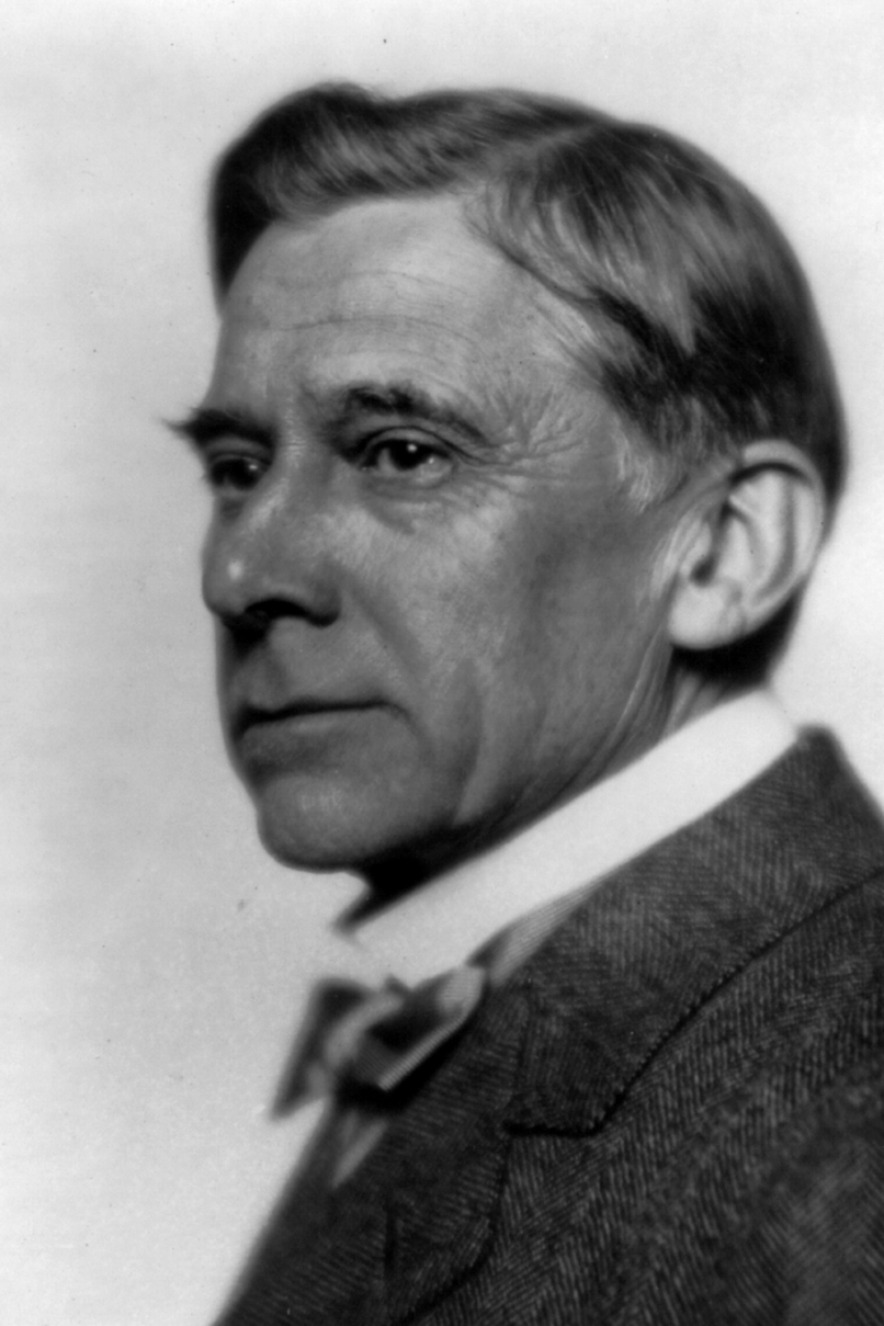
Personal info
Known for
Ultimate Talent
Gender
Male
Birthday
28 September
Location
Tennessee, United States
Edit pageGeorge de Forest Brush
Biography
George de Forest Brush was an American painter best known for his sensitive portraits and his detailed depictions of Native American life in the late 19th century. Trained in Europe and influenced by classical realism, Brush combined technical precision with emotional depth, creating works that stand as important records of both American art and cultural history.
Early Life and Education
George de Forest Brush was born on September 28, 1855, in Shelbyville, Tennessee. He grew up in a cultured and supportive environment that encouraged artistic development. Showing early talent, Brush pursued formal training in art and traveled to Europe to study at the École des Beaux-Arts in Paris.
While in France, he studied under the academic painter Jean-Léon Gérôme, whose emphasis on realism, careful composition, and anatomical accuracy had a lasting impact on Brush’s style. This rigorous training gave Brush a strong technical foundation and aligned him with the academic traditions of European art.
Career and Artistic Focus
After returning to the United States, Brush began his professional career as a portrait painter. He quickly gained recognition for his refined technique and ability to capture the inner character of his subjects. His portraits often convey quiet dignity and psychological complexity rather than dramatic gesture.
During the 1880s and 1890s, Brush became particularly known for his paintings of Native Americans. He traveled to western reservations, including those of the Shoshone and Arapaho peoples, to observe daily life firsthand. Unlike many artists of his era, Brush aimed to portray Indigenous individuals with respect and seriousness, presenting them as thoughtful and dignified rather than as stereotypes.
Works such as The Indian and the Lily and An Arapaho Brave exemplify this period of his career. These paintings reflect a careful attention to detail in clothing, posture, and expression, as well as a contemplative mood that suggests cultural endurance amid change.
Artistic Style and Themes
Brush’s work is characterized by realism, muted color palettes, and balanced compositions. His paintings often emphasize stillness and introspection, drawing the viewer’s attention to subtle emotional cues. Whether painting Native American subjects or society portraits, Brush favored simplicity and clarity over ornamentation.
Later in his career, Brush increasingly explored symbolic and idealized themes, including family, motherhood, and moral reflection. His famous painting The Mother reflects this shift toward universal human themes, blending realism with symbolic meaning.
Teaching and Influence
In addition to his painting career, George de Forest Brush was an influential teacher. He taught at the Art Students League of New York, where he mentored a generation of young artists. Among his most notable students was the painter and photographer Edward Steichen, who later became a major figure in modern art and photography.
Brush’s emphasis on discipline, observation, and technical excellence left a lasting impression on his students and helped bridge academic traditions with emerging modernist ideas.
Later Life and Death
In his later years, Brush continued to paint and remained engaged with artistic and intellectual circles. He lived much of his life in New York and New England, maintaining a quiet and focused personal life centered on family and art.
George de Forest Brush died on April 24, 1941. By the time of his death, artistic tastes had shifted toward modernism, and his work received less attention than it had during his peak years.