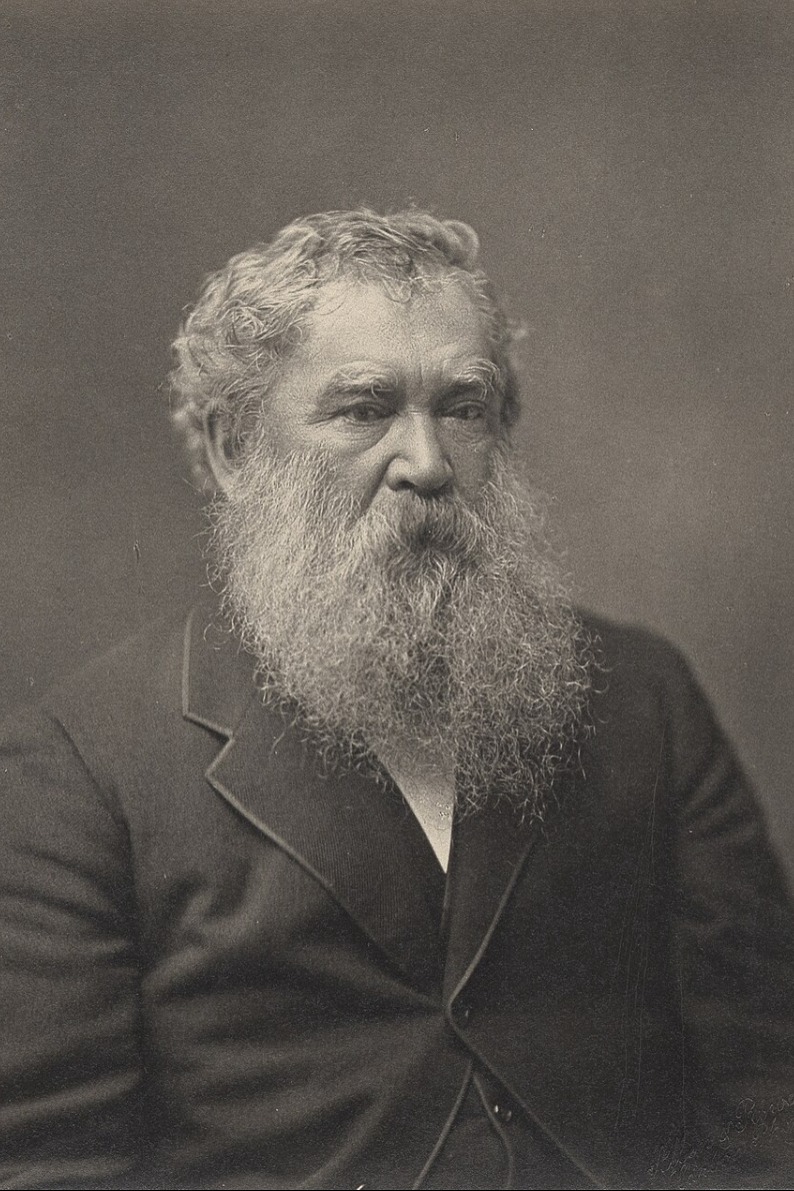
Personal info
Known for
Ultimate Talent
Gender
Male
Birthday
17 November
Location
Massachusetts, United States
Edit pageGeorge Fuller
Biography
George Fuller was a 19th-century American painter known for his poetic, dreamlike portraits and romantic figure paintings. His work is often associated with Tonalism and American Romanticism, characterized by soft light, muted color palettes, and an emotional, atmospheric quality.
Early Life and Education
George Fuller was born on January 17, 1822, in Deerfield, Massachusetts. Unlike many of his contemporaries, he had little formal artistic training and was largely self-taught. He initially worked as a portrait painter to support himself.
In the mid-19th century, Fuller traveled to Europe, where he was exposed to Old Master paintings and European artistic traditions. These experiences influenced his mature style.
Artistic Style and Themes
Fuller became known for creating idealized, introspective female figures and allegorical scenes. His paintings often feature:
Soft, shadowy backgrounds
Gentle, diffused lighting
Subtle tonal harmonies
A sense of quiet mystery
His figures appear contemplative and emotionally restrained, giving his work a poetic and sometimes melancholic mood.
Notable Works
One of his best-known paintings is The Quadroon (1880), which reflects themes of identity and social complexity in 19th-century America. This work, like many of his others, demonstrates his ability to combine realism with romantic atmosphere.
His paintings were praised for their sensitivity and refinement, even though he did not always enjoy financial stability during his lifetime.
Later Years and Recognition
In the latter part of his career, Fuller gained greater recognition and financial success. His works were exhibited widely and collected by prominent patrons.
However, much of his earlier work was lost in a studio fire in 1879, a devastating setback that forced him to rebuild his career.
Legacy
George Fuller died on March 21, 1884. Today, he is remembered as an important transitional figure in American art, bridging early portrait traditions and the emerging tonal and atmospheric styles of the late 19th century.