Personal info
Known for
Ultimate Talent
Gender
Male
Birthday
22 February
Location
Pennsylvania, United States
Edit pageGrafton Tyler Brown
Biography
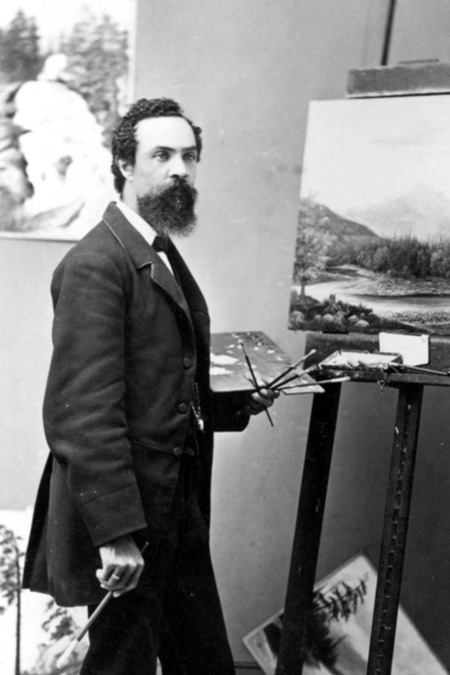
Grafton Tyler Brown was a groundbreaking American artist, lithographer, and painter whose work helped shape early visual representations of the American West. As one of the first professional African American artists in the United States, Brown played a significant role in 19th-century art by documenting western landscapes during a period of rapid expansion and transformation.
Early Life and Background
Grafton Tyler Brown was born in 1841 in Harrisburg, Pennsylvania. He was born free at a time when opportunities for African Americans were severely limited. Little is known about his early childhood, but he demonstrated artistic talent at a young age and pursued training in the graphic arts.
As a teenager, Brown apprenticed with a lithography firm in Philadelphia, where he learned the technical skills of drawing, engraving, and printing. This early training laid the foundation for his later success as both a commercial artist and a fine art painter.
Career in Lithography
In the early 1860s, Brown moved west to California, settling in San Francisco. There, he became one of the city’s most accomplished lithographers. In 1865, he established his own business, G. T. Brown & Co., making him one of the first African Americans to operate a lithography firm in the United States.
Brown produced a wide range of commercial prints, including illustrations for maps, advertisements, and city views. His work was known for its precision, clarity, and detailed representation of urban and industrial development in the rapidly growing American West. Many of his lithographs documented mining towns, railroads, and cityscapes, serving both practical and historical purposes.
Transition to Landscape Painting
By the 1870s, Brown began shifting his focus from commercial lithography to fine art painting. He traveled extensively throughout the western United States, including California, Oregon, Washington, and British Columbia, sketching and painting landscapes.
His paintings reflect the influence of the Hudson River School, particularly in their attention to natural grandeur, atmospheric effects, and dramatic composition. Brown frequently depicted mountains, waterfalls, rivers, and valleys, presenting the western landscape as both majestic and serene.
Notable subjects of his work include Yosemite Valley, the Sierra Nevada mountains, and the Pacific Northwest. His painting View of Yosemite Valley is among his most recognized works, capturing the scale and beauty of the region during a time when it was becoming a symbol of American natural heritage.