Personal info
Known for
Director
Gender
Male
Birthday
02 September
Location
Utah, United States
Edit pageHal Ashby
Biography
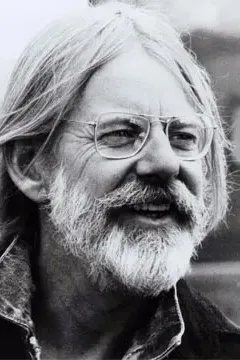
Hal Ashby (September 2, 1929 – December 27, 1988) was an American film director and editor known for his influential work during the New Hollywood era of the 1970s. His films were often characterized by strong social themes, dark humor, and unconventional storytelling. Ashby directed several critically acclaimed and culturally significant movies that helped shape American cinema during that period.
Early Life
Hal Ashby was born William Hal Ashby on September 2, 1929, in Ogden, Utah, United States. He grew up in a conservative environment, but his early life was marked by personal challenges that influenced his outlook and later artistic work.
After leaving home at a young age, Ashby moved to California, where he began working in the film industry. He initially found work in the editing department, which provided him with valuable experience in film production.
Early Career as an Editor
Before becoming a director, Hal Ashby established himself as a talented film editor. Editing allowed him to understand the structure of storytelling and pacing in cinema.
One of his most notable achievements as an editor was his work on the film In the Heat of the Night (1967). His editing work on the film earned him the Academy Award for Best Film Editing, bringing him widespread recognition in Hollywood.
Directing Career
Hal Ashby transitioned into directing during the late 1960s and quickly became associated with the creative movement known as New Hollywood, where filmmakers experimented with new storytelling styles and themes.
He directed several critically acclaimed films, including:
The Landlord (1970)
Harold and Maude (1971)
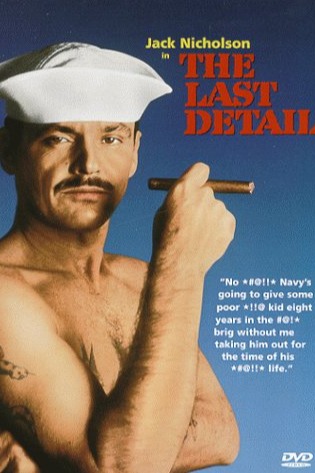
The Last Detail (1973)
Shampoo (1975)
Being There (1979)
Many of these films explored social issues, personal freedom, and cultural changes occurring in the United States during the 1970s.
Later Career and Legacy
Although Ashby experienced enormous success during the 1970s, his later career faced challenges as Hollywood studios shifted toward blockbuster filmmaking in the 1980s.
Despite these difficulties, his earlier films remained highly respected and influential. Today, Hal Ashby is considered one of the important directors of the New Hollywood movement.
He passed away on December 27, 1988, but his films continue to be studied and admired for their originality and cultural significance.