Personal info
Known for
Cinematographer
Gender
Male
Birthday
02 August
Location
California, United States
Edit pageHal Mohr
Biography
Hal Mohr was an influential American cinematographer who helped shape the visual language of early Hollywood. Over a career lasting several decades, he worked on silent films, early sound pictures, Technicolor productions, and television. He was also an innovator in the use of camera movement and deep-focus cinematography.
Early Life
Hal Mohr was born on August 2, 1894, in San Francisco, California. He developed an interest in photography and filmmaking at a young age and gained practical experience working in a photographic laboratory.
As a teenager, he constructed his own camera and used it to film local events. This early experimentation helped him develop the technical skills that would later become central to his professional career.
Early Film Career
Mohr entered the film industry during the 1910s. He worked in different technical positions before establishing himself as a cinematographer.
In 1915, he moved to Hollywood and began working at Universal. During the following years, he worked on documentaries, newsreels, and feature films.
His early career coincided with the rapid development of motion-picture technology, and Mohr became known for experimenting with new ways of moving and positioning the camera.
The Jazz Singer
One of Mohr's historically important credits was ** The Jazz Singer (1927)**, starring Al Jolson.
The film is widely associated with the transition from silent cinema to talking pictures. Mohr's work on the production placed him among the cinematographers who helped establish the visual techniques of early sound-era Hollywood.
Cinematic Innovation
Mohr was particularly innovative in his use of crane, dolly, and boom shots. He was also an early practitioner of deep-focus photography, allowing foreground and background elements to remain clearly visible within the same frame.
His approach demonstrated that cinematography could do more than simply record performances; camera movement, lighting, composition, and focus could actively shape the mood and storytelling of a film.
A Midsummer Night's Dream
Mohr achieved one of his greatest successes with ** A Midsummer Night's Dream (1935)**, directed by Max Reinhardt and William Dieterle.
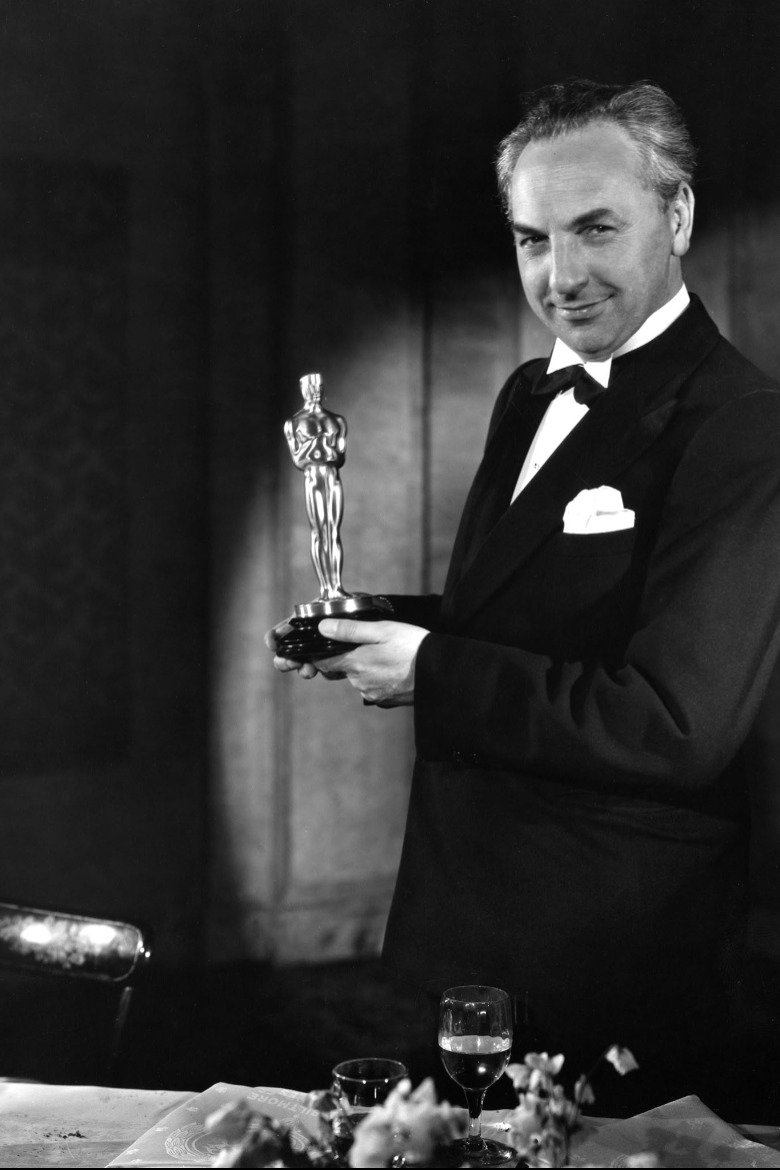
His cinematography earned him the Academy Award for Best Cinematography.
The victory was unusual because Mohr became the only person to win a competitive Academy Award through a write-in campaign. The Academy subsequently changed its rules to eliminate write-in voting.
The Phantom of the Opera
Mohr won his second Academy Award for his work on ** The Phantom of the Opera (1943)**, sharing the cinematography award with W. Howard Greene.
The Technicolor production required elaborate lighting and photography techniques, and Mohr's work contributed greatly to the film's atmospheric appearance.
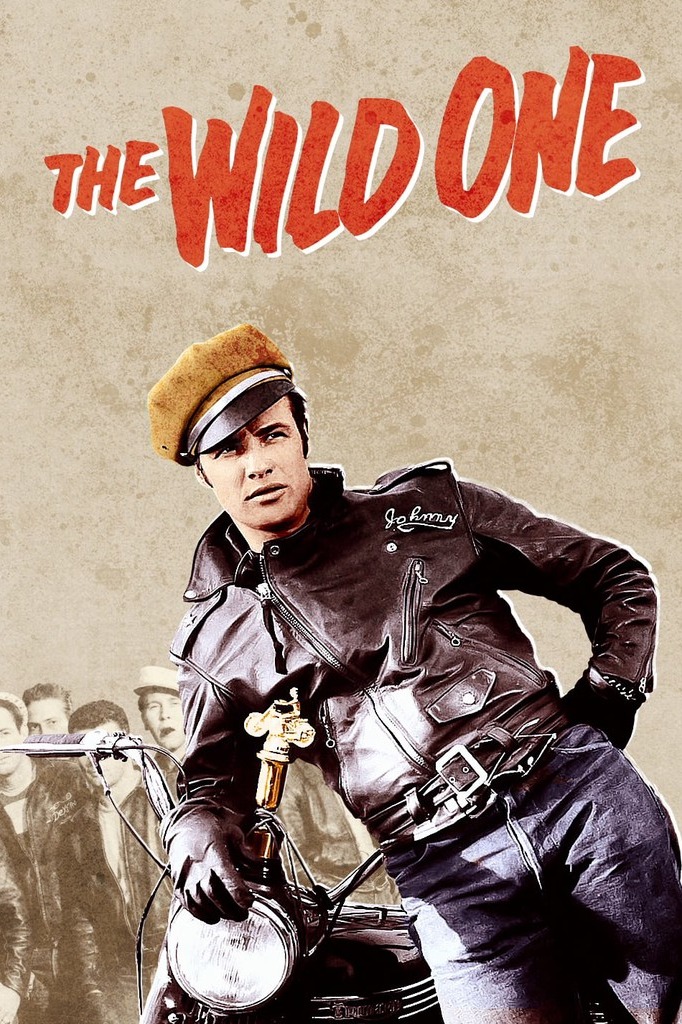
The Wild One
Mohr was also the cinematographer of ** The Wild One (1953)**, directed by László Benedek and starring Marlon Brando.
The film follows a rebellious motorcycle gang led by Johnny Strabler as it enters a small town. Mohr's photography helped establish the gritty visual atmosphere of the movie and complemented its themes of youthful rebellion and social conflict.
Other Notable Films
Throughout his long career, Mohr worked on numerous important productions. His cinematography credits included:
- Captain Blood (1935)
- A Midsummer Night's Dream (1935)
- Bullets or Ballots (1936)
- The Green Pastures (1936)
- Destry Rides Again (1939)
- The Phantom of the Opera (1943)
- Another Part of the Forest (1948)
- Rancho Notorious (1952)
- The Wild One (1953)
- The Four Poster (1952)
He demonstrated remarkable versatility, working across fantasy, drama, Westerns, crime films, adventure pictures, and musicals.
Television Career
From the 1950s onward, Mohr increasingly worked in television as the medium became an important part of American entertainment.
His television credits included work on programs such as Life with Father, The Barbara Stanwyck Show, and That's My Boy.
Professional Recognition
Mohr served as president of the American Society of Cinematographers and was involved with the Academy of Motion Picture Arts and Sciences.
In 1957, he received the George Eastman Award for his contribution to the art of film. He was also honored with a star on the Hollywood Walk of Fame in 1976.
Personal Life
Mohr was married to actress Evelyn Venable, with whom he had five children. He remained active professionally for many decades.
Death
Hal Mohr died on May 10, 1974, in Santa Monica, California, at the age of 79.