Harold Pinter
Biography
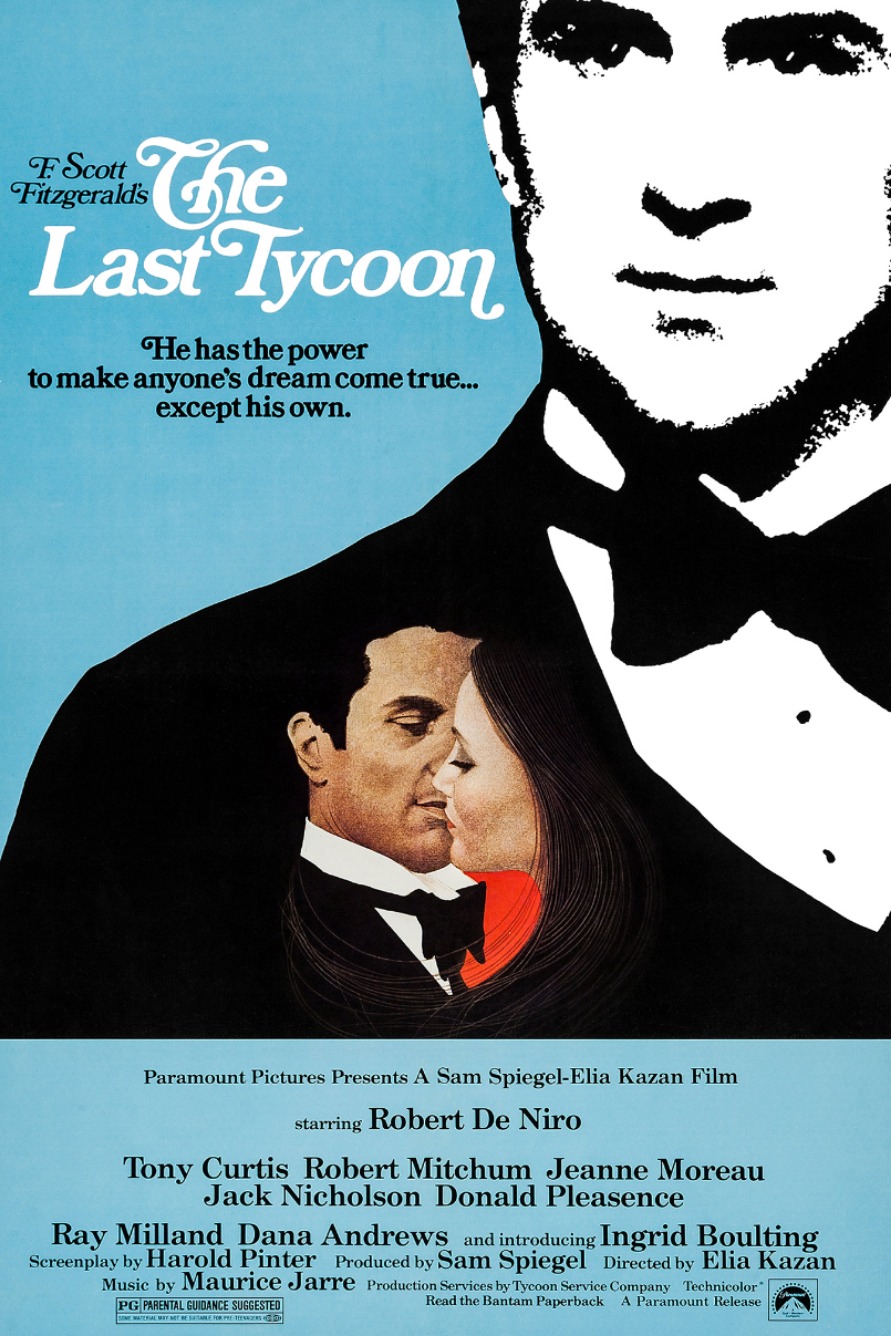
Elia Kazan was one of the most influential and controversial directors in American theater and cinema. Known for his emotionally intense storytelling and commitment to realism, he helped shape modern acting and filmmaking in the mid-20th century.
Early Life and Background
Elia Kazan was born on September 7, 1909, in Istanbul, in the then Ottoman Empire (modern-day Turkey). His family was of Greek descent, and they emigrated to the United States when he was a child. Growing up in New York City, Kazan experienced the challenges of being an immigrant, which later influenced many of his works dealing with identity and social struggle.
He studied at Williams College and later trained at the Yale School of Drama, where he developed a strong interest in acting and directing.
Career in Theater
Kazan began his career as an actor with the politically active Group Theatre in the 1930s. However, he soon transitioned into directing, where he found his true calling.
He became closely associated with the Actors Studio, a prestigious acting school that promoted “method acting.” Kazan directed many stage productions that emphasized psychological realism and emotional depth.
Some of his most celebrated theatrical works include:
A Streetcar Named Desire
Death of a Salesman
These productions were groundbreaking and helped establish playwrights like Tennessee Williams and Arthur Miller as major literary figures.
Film Career
Kazan successfully transitioned into filmmaking and became one of Hollywood’s most respected directors. His films often explored themes of morality, social injustice, and personal conflict.
Notable films include:
A Streetcar Named Desire (1951)
On the Waterfront (1954)
East of Eden (1955)
Gentleman's Agreement (1947)
His film On the Waterfront won eight Academy Awards, including Best Director, and is widely considered one of the greatest films in American cinema. He also helped launch the careers of actors like Marlon Brando and James Dean.
Controversy
Kazan’s legacy is complicated by his involvement with the House Un-American Activities Committee (HUAC). In 1952, he testified before the committee and named former colleagues who had been involved with the Communist Party.
This decision sparked widespread criticism and damaged his reputation, especially among peers like Arthur Miller. The controversy continues to shape debates about his legacy.
Later Life and Legacy
In his later years, Kazan wrote several books, including memoirs and novels, reflecting on his life and career. In 1999, he received an honorary Academy Award, which reignited debate about his past actions.
Elia Kazan died on September 28, 2003, in New York City. Despite the controversies, his contributions to theater and film remain profound. He is remembered as a visionary director who helped redefine acting and storytelling in the 20th century.