Personal info
Known for
Cinematographer
Gender
Male
Birthday
01 September
Location
New Jersey, United States
Edit pageHarry Stradling Sr.
Biography
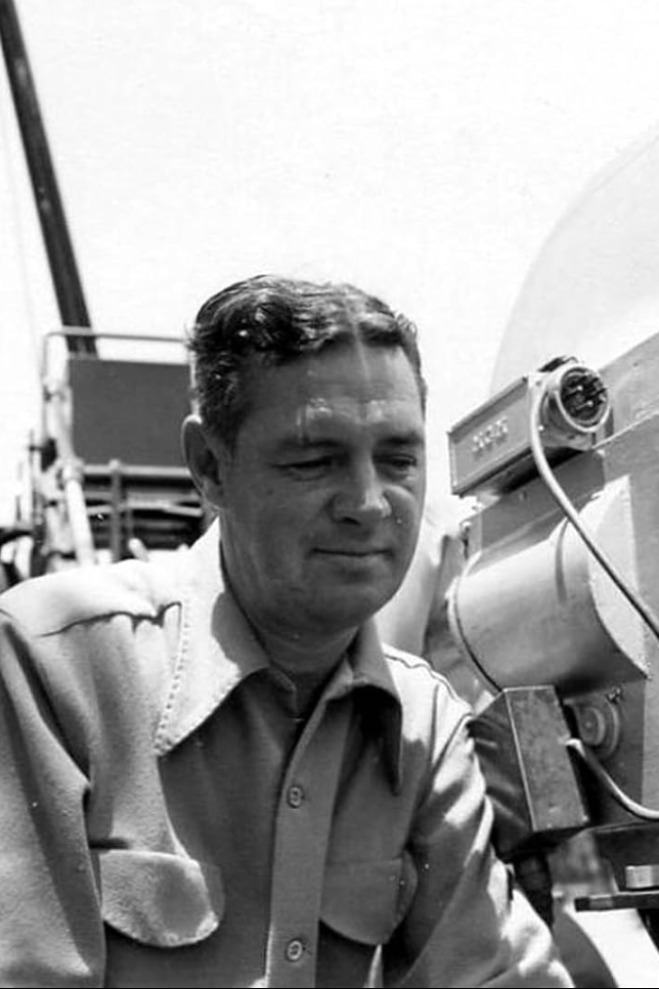
Harry Stradling Sr. was a highly respected American cinematographer whose career spanned five decades and more than 130 films. Known for his sophisticated lighting, expressive camera work, and ability to work equally well in black-and-white and color, he became one of the leading cinematographers of classical Hollywood. His celebrated work included The Picture of Dorian Gray, A Streetcar Named Desire, Johnny Guitar, Guys and Dolls, Funny Girl, Hello, Dolly!, and My Fair Lady.
Early Life
Harry Stradling Sr. was born on September 1, 1901, in Newark, New Jersey, United States. He came from a family with connections to cinematography. His uncle, Walter Stradling, was a cameraman who had worked on films featuring silent-era star Mary Pickford. This family connection helped Harry obtain his first opportunities in the film industry.
Stradling entered the film business during the early 1920s. He initially worked as a cameraman and served an apprenticeship on short subjects and lower-budget productions, gaining practical experience that would later help establish his distinctive visual style.
Career in Europe
During the early 1930s, Stradling traveled to Europe, where his career expanded considerably. He began an important professional collaboration with French director Jacques Feyder.
Among the films they worked on together were Le Grand Jeu (1934), La Dame aux Camélias (1934), and Carnival in Flanders (1935). His cinematography on Carnival in Flanders attracted considerable attention and helped establish his reputation internationally.
Stradling subsequently worked in Britain, where he photographed films including Knight Without Armour (1937), South Riding (1938), The Citadel (1938), and Alfred Hitchcock's Jamaica Inn (1939). His work during this period demonstrated his ability to create atmospheric images while working within demanding studio productions.
Return to Hollywood
Stradling returned to Hollywood around 1940 and quickly became an important cinematographer. He worked with Alfred Hitchcock again on Mr. & Mrs. Smith (1941) and Suspicion (1941).
In Suspicion, his lighting contributed significantly to the film's suspenseful atmosphere. One of the most famous examples is the sequence involving Cary Grant carrying a suspicious glass of milk up a staircase, a scene remembered for its striking visual treatment.
Stradling also demonstrated his technical versatility in The Corsican Brothers (1941), using double-exposure techniques to create convincing images of Douglas Fairbanks Jr. appearing as twins.
MGM and Major Black-and-White Films
From 1942 to 1949, Stradling worked at Metro-Goldwyn-Mayer, where he photographed a number of important productions.
One of his most acclaimed films from this period was The Picture of Dorian Gray (1945). His carefully controlled black-and-white cinematography helped establish the film's Gothic atmosphere and psychological mood. He won his first Academy Award for Best Cinematography for the film.
He also worked on productions such as The Human Comedy, Till the Clouds Roll By, and other major studio films, establishing himself as one of Hollywood's most versatile visual artists.
Work with Tennessee Williams
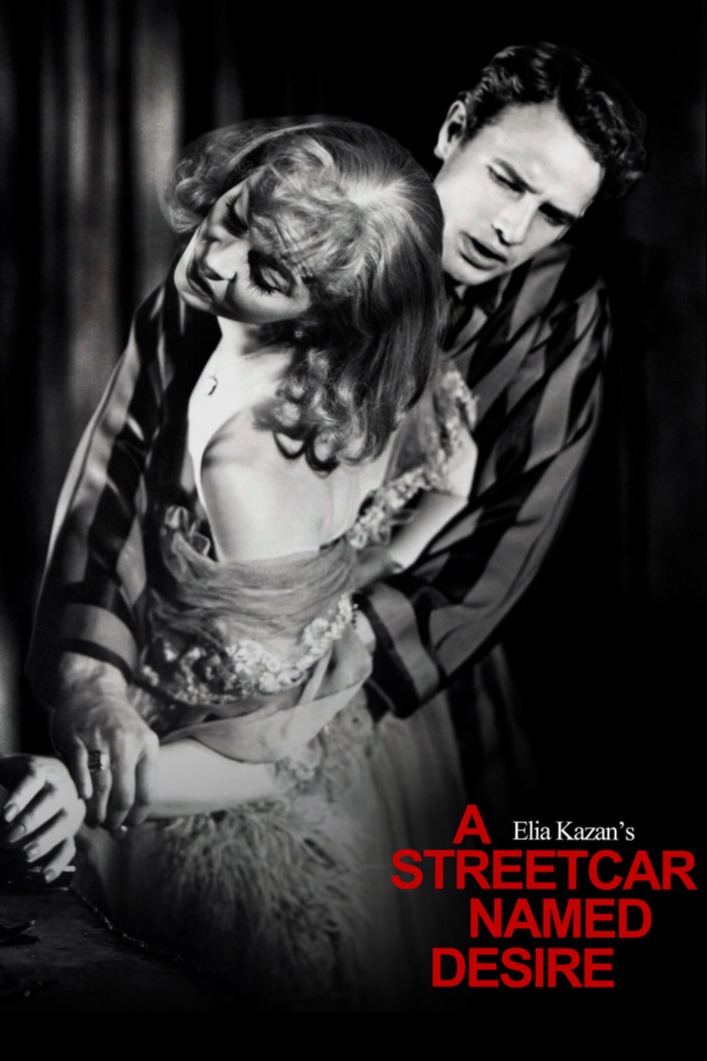
One of Stradling's most important achievements came with A Streetcar Named Desire (1951), directed by Elia Kazan and based on the celebrated play by Tennessee Williams.
The cinematographer's expressive use of light and shadow perfectly suited the film's intense psychological atmosphere. His photography helped emphasize the emotional deterioration of Blanche DuBois and the tension between the film's central characters. A Streetcar Named Desire became one of the landmark American films of the period.
Color Cinematography
Stradling was equally accomplished in color cinematography. He photographed Johnny Guitar (1954), giving Nicholas Ray's western a highly stylized visual appearance.
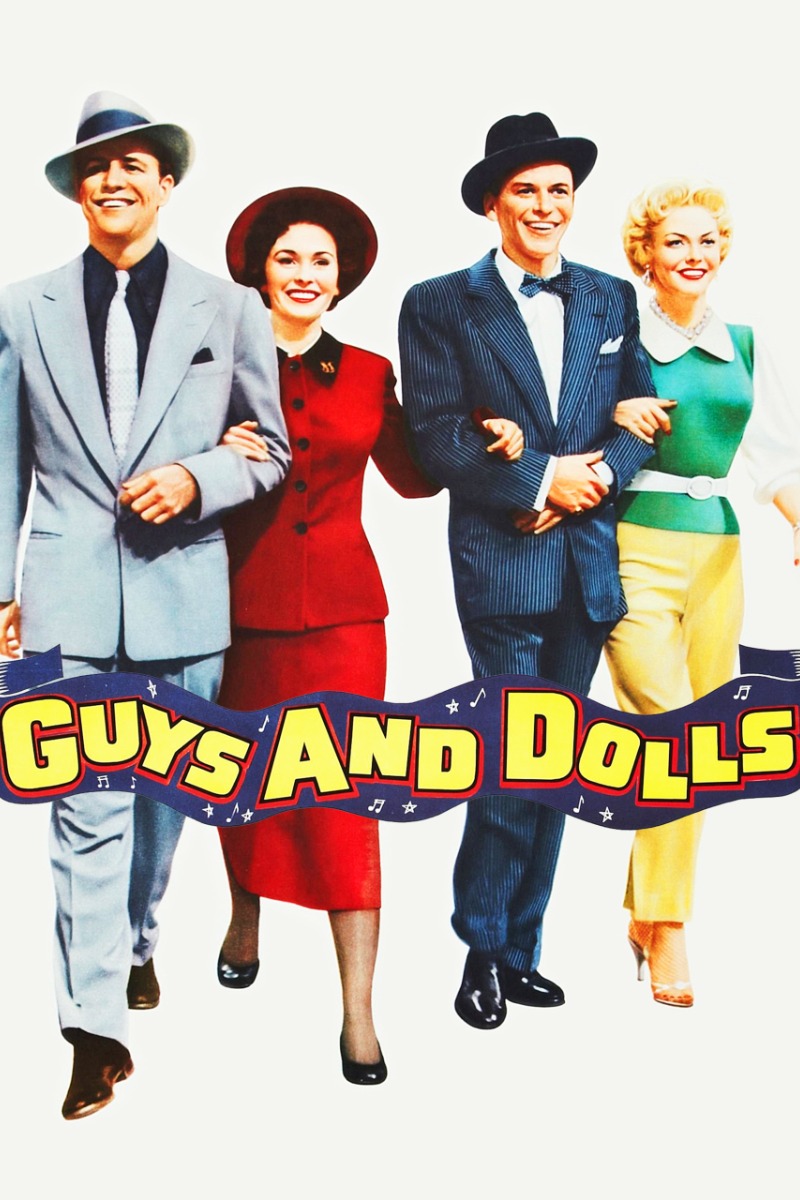
He also photographed the acclaimed musical Guys and Dolls (1955). The production demonstrated his ability to use color, lighting, and composition to create a glamorous and theatrical cinematic world.
Other important color productions included The Pajama Game, Auntie Mame, Gypsy, and numerous films during the late 1950s and 1960s.
Warner Bros. and My Fair Lady
In 1955, Stradling joined Warner Bros., where he continued to work on major productions. His work during this period resulted in several Academy Award nominations.
His greatest achievement of the era was My Fair Lady (1964), directed by George Cukor and starring Audrey Hepburn and Rex Harrison. Stradling's elaborate color cinematography captured the film's costumes, sets, musical numbers, and period atmosphere on a grand scale.
For My Fair Lady, he won his second Academy Award for Best Cinematography.
An interesting distinction in his career is that Stradling photographed both Pygmalion (1938), a non-musical screen adaptation of George Bernard Shaw's play, and its musical adaptation, My Fair Lady (1964).
Later Career
During the 1960s, Stradling remained highly active. His credits included Who's Afraid of Virginia Woolf? (1966), Funny Girl (1968), Hello, Dolly! (1969), and On a Clear Day You Can See Forever (1970).
He photographed several of Barbra Streisand's early films, including Funny Girl, Hello, Dolly!, and On a Clear Day You Can See Forever. His soft-focus and carefully controlled lighting became an important part of the visual presentation of these productions.
Final Film
Stradling's final work was The Owl and the Pussycat (1970), starring Barbra Streisand and George Segal. He died during production, and cinematographer Andrew Laszlo subsequently completed the film.
Awards and Recognition
Stradling received 13 Academy Award nominations during his career and won twice:
- The Picture of Dorian Gray (1945) — Academy Award for Best Cinematography
- My Fair Lady (1964) — Academy Award for Best Cinematography
His numerous nominations reflected his remarkable versatility across dramatic films, musicals, period productions, thrillers, and color spectacles.
Personal Life and Family
Harry Stradling Sr. was married to Ann Stradling and had two children. His son, Harry Stradling Jr., followed him into the film industry and became a successful cinematographer in his own right.
Death
Harry Stradling Sr. died on February 14, 1970, in Hollywood, Los Angeles, California, at the age of 68. He died while working on The Owl and the Pussycat, bringing an end to one of the most distinguished cinematography careers of the classical Hollywood era.