Personal info
Known for
Cinematographer
Gender
Male
Birthday
06 February
Location
California, United States
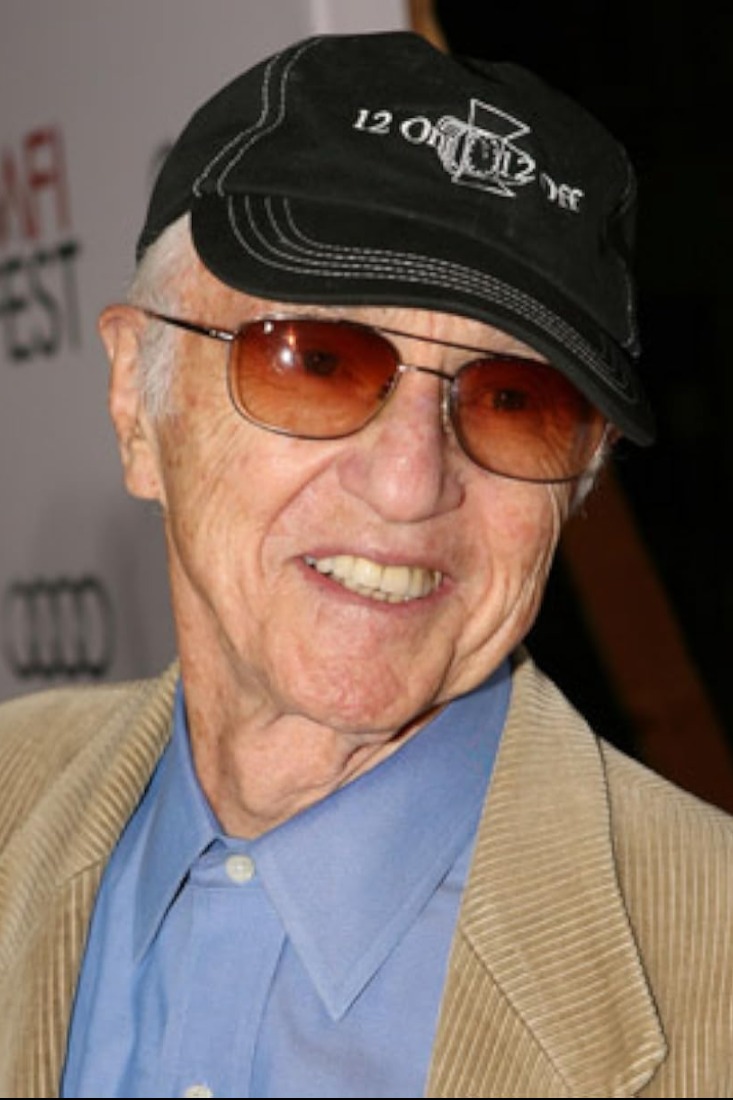
Edit pageHaskell Wexler
Biography
Haskell Wexler (February 6, 1922 – December 27, 2015) was an American cinematographer, film director, and producer widely regarded as one of the most influential visual artists in modern cinema. Known for his bold political convictions and innovative camera work, Wexler won two Academy Awards for Best Cinematography and helped shape the visual style of American films in the 1960s and 1970s.
Early Life
Haskell Wexler was born in Chicago, Illinois, into a wealthy family involved in the manufacturing business. Despite his privileged upbringing, he developed strong social and political convictions early in life.
During World War II, Wexler served in the U.S. Merchant Marine. After the war, he became interested in photography and documentary filmmaking, eventually transitioning into feature film cinematography. His early experiences with documentary realism would heavily influence his later narrative work.
Rise as a Cinematographer
Wexler began working in Hollywood during the 1950s, gradually building a reputation for his naturalistic lighting and dynamic camera movement.
Who’s Afraid of Virginia Woolf? (1966)
Wexler won his first Academy Award for Best Cinematography for this adaptation of Edward Albee’s play, directed by Mike Nichols. Shooting in black and white, Wexler created an intimate, psychologically intense visual style that enhanced the performances of Elizabeth Taylor and Richard Burton.
In the Heat of the Night (1967)
He earned another Academy Award for his work on this civil rights–era drama. Wexler’s cinematography captured both the oppressive Southern heat and the racial tensions central to the story.
Director: Medium Cool (1969)
Wexler made his directorial mark with Medium Cool, a groundbreaking film that blended fiction with documentary footage of real events, including the 1968 Democratic National Convention protests in Chicago.
The film was notable for placing actors within real-life political unrest, creating a powerful commentary on media, violence, and social change. Medium Cool is often cited as a landmark of politically engaged American cinema.
Collaborations and Later Work
Throughout his career, Wexler collaborated with major directors and worked on a wide variety of films. His later cinematography credits include:
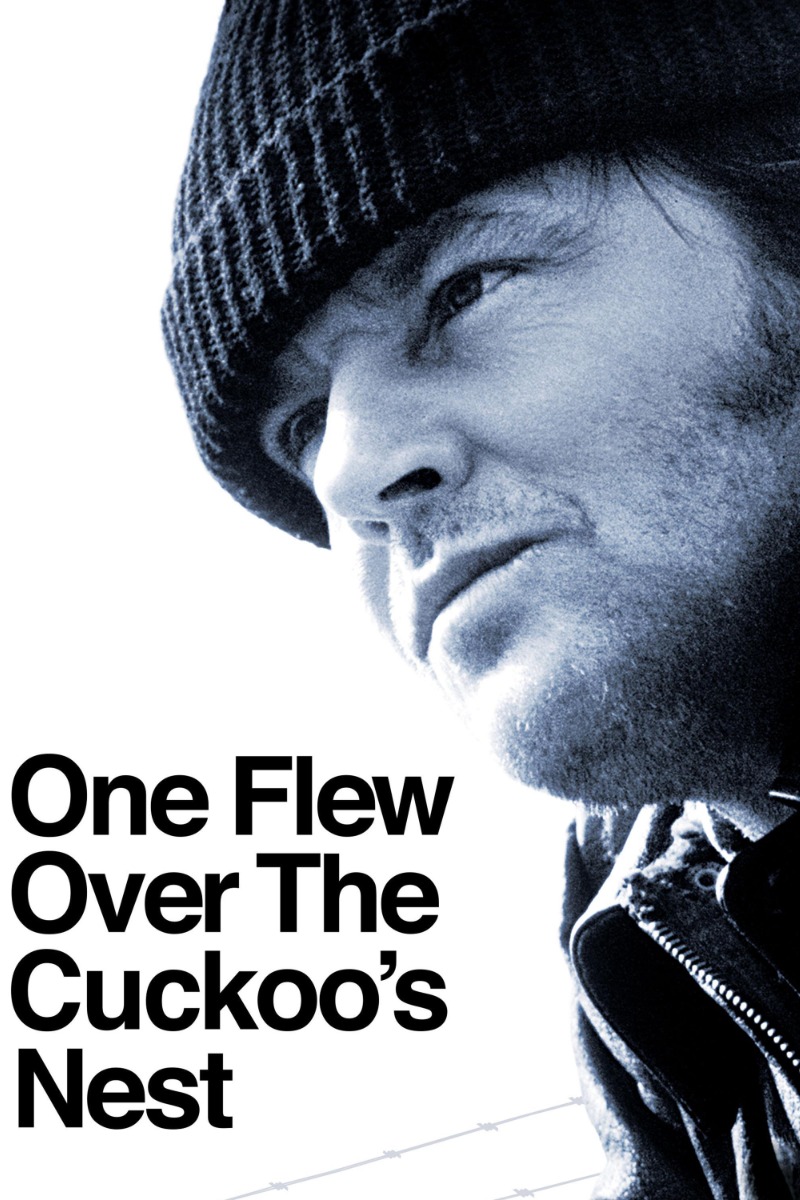
One Flew Over the Cuckoo’s Nest (1975) – He began as a cinematographer but was replaced during production; however, his contribution to the film’s visual foundation is acknowledged.
Bound for Glory (1976) – Won his second Academy Award for its innovative use of Steadicam and luminous, painterly imagery.
Days of Thunder (1990)
Wexler was admired for combining technical mastery with emotional depth, often using natural light and handheld camera techniques to enhance realism.
Political Activism
Beyond filmmaking, Wexler was deeply involved in political activism. He supported civil rights causes, labor movements, and anti-war efforts. His political beliefs influenced many of his creative decisions, especially in projects like Medium Cool.
He frequently used his platform to advocate for social justice and remained outspoken throughout his life.
Later Years and Death
Wexler continued working in film and documentary projects into his later years. He remained active in political discussions and industry debates until his death on December 27, 2015, at the age of 93.