Personal info
Known for
Ultimate Talent
Gender
Female
Birthday
09 March
Location
South Carolina, United States
Edit pageHenrietta Johnston
Biography
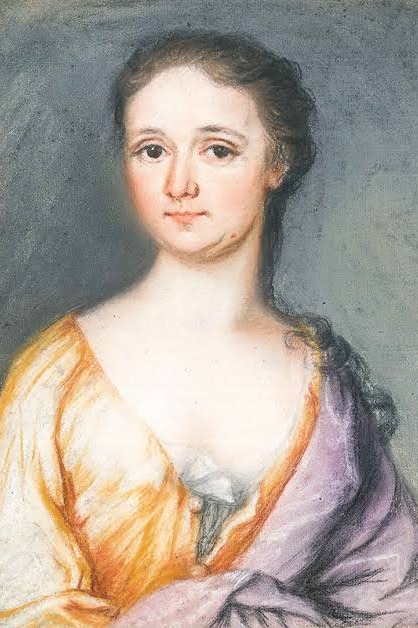
Henrietta Johnston (c. 1674 – c. 1729) was an Irish-born American portrait painter and is widely recognized as the first known professional female artist in colonial America. Working during the early 18th century, she specialized in pastel portraiture and became renowned for her elegant depictions of prominent families in the American colonies. Her surviving works provide valuable insight into the social and cultural life of colonial America and represent some of the earliest examples of portrait art created by a professional woman in what is now the United States.
Early Life and Education
Henrietta Johnston was born around 1674 in Ireland, although the exact location of her birth remains uncertain. Little is known about her early life and artistic training. It is believed that she received instruction in drawing and pastel portraiture in Ireland or England, where pastel painting was becoming increasingly popular among European artists.
She married Rev. Gideon Johnston, an Anglican clergyman, and in 1708 the couple emigrated to the Province of South Carolina after her husband was appointed rector of St. Philip's Church in Charles Town (now Charleston), South Carolina.
Career
Following her arrival in South Carolina, Johnston began painting professionally to help support her family, particularly after her husband died in 1716. She specialized in pastel portraits, a medium that was relatively uncommon in the American colonies at the time.
Her clientele consisted primarily of wealthy plantation owners, merchants, government officials, clergy, and their families. Johnston's portraits were admired for their graceful compositions, delicate coloring, and refined depiction of clothing and facial features.
Between approximately 1708 and 1725, she worked mainly in Charleston, South Carolina, although she is believed to have traveled to other colonies, including New York and Virginia, to complete portrait commissions.
Despite the limited opportunities available to women artists during the colonial era, Johnston established herself as one of the leading portrait painters in the American South.
Artistic Style
Henrietta Johnston's work is characterized by:
- Soft and delicate pastel techniques.
- Elegant portrait compositions.
- Refined treatment of facial expressions.
- Careful attention to fashionable clothing and accessories.
- Subtle color harmonies.
- European artistic influences adapted to colonial American society.
Her portraits combined realism with a graceful, understated elegance that appealed to the colonial elite.
Notable Works
Although relatively few of Johnston's paintings survive, several important portraits have been identified, including:
- Portrait of Anna Cuyler
- Portrait of Mary Griffith Boone
- Portrait of Susanna Smith
- Portrait of Elizabeth Stobo
- Various portraits of members of prominent South Carolina families
Her surviving works are among the earliest examples of pastel portraiture in colonial America.
Recognition and Legacy
Henrietta Johnston's artistic achievements were largely overlooked during her lifetime, but later scholarship established her as the first known professional female painter in colonial America.
Today, her works are preserved in major museums and historical collections, including the Metropolitan Museum of Art, the Smithsonian American Art Museum, the Gibbes Museum of Art, and other institutions dedicated to early American history and art.
She is recognized as a pioneering figure who helped lay the foundation for professional women artists in America.
Personal Life
Henrietta Johnston and her husband, Gideon Johnston, had children while living in South Carolina. After becoming widowed, she relied increasingly on portrait commissions to support her family, demonstrating remarkable independence and determination in a society that offered few professional opportunities for women.
Much of her life after the mid-1720s remains uncertain, and historical records are limited.
Death
Henrietta Johnston is believed to have died around 1729, although the exact date and place of her death are unknown.