Personal info
Known for
Actor
Gender
Female
Birthday
21 August
Location
Uttar Pradesh, India
Edit pageIsmat Chughtai
Biography
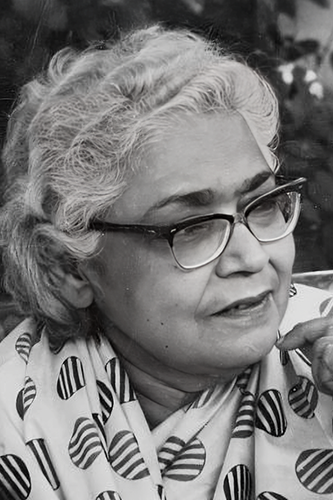
Ismat Chughtai (21 August 1915 – 24 October 1991) was a renowned Indian writer, novelist, and filmmaker, widely regarded as one of the most influential figures in Urdu literature. Known for her bold, realistic, and progressive writing, she explored themes such as women's rights, social inequality, and human relationships.
Early Life
Ismat Chughtai was born on 21 August 1915 in Badaun, United Provinces, British India. She grew up in a traditional Muslim family and developed an interest in literature at a young age. She pursued higher education and became one of the first Muslim women of her generation to obtain a college education.
Literary Career
Chughtai began writing short stories in Urdu and gained recognition for her honest portrayal of society and women's experiences. Her famous works include Lihaaf (The Quilt), Terhi Lakeer (The Crooked Line), Gainda, and Chhui Mui. Her writing style was known for its wit, realism, and fearless treatment of subjects that were considered controversial at the time.
Her story Lihaaf (1942) became one of her most famous works and led to a widely discussed obscenity case, which she successfully defended.
Association with Cinema
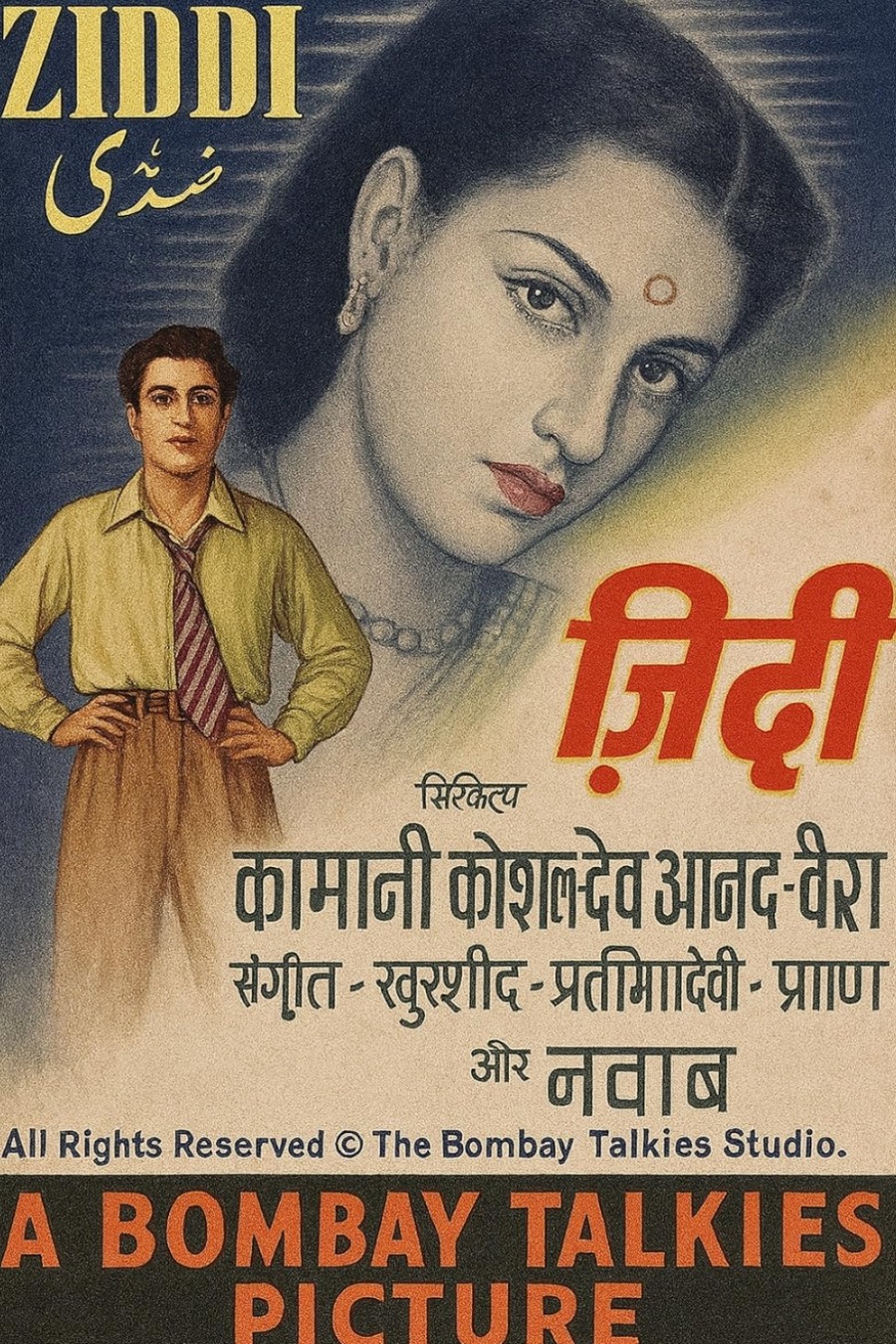
Ismat Chughtai also made important contributions to Indian cinema. She wrote screenplays and dialogues for several films and was closely associated with filmmaker Shaheed Latif, whom she married. Some films connected with her writing include Ziddi (1948), Arzoo (1950), Garam Coat (1955), and Sone Ki Chidiya (1958).
Legacy
Ismat Chughtai is remembered as a pioneering voice in Urdu literature and one of India's greatest progressive writers. Her fearless storytelling and deep understanding of human nature continue to inspire readers and writers.
She passed away on 24 October 1991 in Mumbai, Maharashtra, leaving behind a remarkable literary and cinematic legacy.