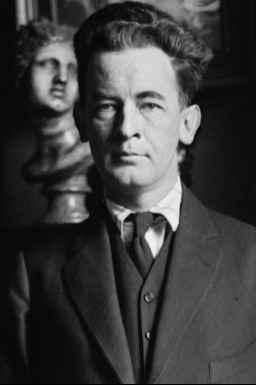
Personal info
Known for
Ultimate Talent
Gender
Male
Birthday
18 June
Location
New York, United States
Edit pageJames Montgomery Flagg
Biography
James Montgomery Flagg was an American illustrator, cartoonist, and painter best known for creating one of the most iconic images in American history—the “I Want You” U.S. Army recruitment poster featuring Uncle Sam. A prolific and versatile artist, Flagg became one of the most recognized illustrators of the early 20th century.
Early Life and Education
James Montgomery Flagg was born on June 18, 1877, in Pelham Manor, New York. He displayed artistic talent at a young age and had illustrations published in national magazines by the time he was a teenager.
He studied at the Art Students League of New York and later traveled to Europe, where he further developed his artistic skills.
Career as an Illustrator
Flagg built a successful career as a magazine illustrator during the golden age of American illustration. His work appeared in prominent publications such as Life, Judge, and other widely circulated magazines.
He was known for:
Bold, expressive line work
Strong facial characterizations
Patriotic themes
Satirical cartoons
His versatility allowed him to move between serious patriotic imagery and humorous social commentary.
The “I Want You” Poster
Flagg’s most famous work is the World War I recruitment poster featuring Uncle Sam pointing directly at the viewer with the caption “I Want You for U.S. Army.” Created in 1917, the image became a powerful symbol of American patriotism.
Interestingly, Flagg used his own face as the model for Uncle Sam. The poster was reproduced millions of times and remains one of the most enduring images in American visual culture.
Later Career and Painting
Beyond illustration, Flagg also worked as a fine artist and portrait painter. Although he achieved great financial success and public recognition, he sometimes expressed frustration that his commercial work overshadowed his ambitions as a painter.
Legacy
James Montgomery Flagg passed away on May 27, 1960. Today, he is remembered primarily for his influential wartime imagery and his contributions to American illustration.