Jean-Pierre Léaud
Biography
Jean-Pierre Léaud is a highly acclaimed French actor whose career has been closely associated with the history of European art cinema. His naturalistic yet highly individual acting style, expressive mannerisms, and distinctive delivery made him one of the most recognizable performers of the French New Wave.
Early Life
Jean-Pierre Léaud was born on May 28, 1944, in Paris, France. He was the son of screenwriter and assistant director Pierre Léaud and actress Jacqueline Pierreux, and therefore grew up in a family connected to the film industry.
He began acting at a very young age. His first screen appearance came in La Tour, prends garde! (1958), directed by Georges Lampin. However, his career changed dramatically when he was discovered by filmmaker François Truffaut.
Breakthrough with The 400 Blows
At around 14 years old, Léaud auditioned for Truffaut's first feature film, The 400 Blows (Les Quatre Cents Coups, 1959). He was selected to play Antoine Doinel, a troubled and misunderstood Parisian teenager.
The film became one of the foundational works of the French New Wave and received international acclaim. Léaud's performance made him an overnight star and established a remarkable professional relationship between the young actor and Truffaut.
Antoine Doinel
Antoine Doinel became the defining character of Léaud's career. Unlike a conventional film series in which the same character remains essentially unchanged, Truffaut allowed Doinel to grow older with Léaud.
Léaud played the character in five films:
- The 400 Blows (1959)
- Antoine and Colette (1962), part of Love at Twenty
- Stolen Kisses (1968)
- Bed and Board (1970)
- Love on the Run (1979)
Through these films, audiences could follow Antoine from a rebellious adolescent into adulthood, including his romantic relationships, marriage, career, and eventual separation.
The character became one of the most famous recurring figures in French cinema.
French New Wave
Léaud became one of the leading actors of the French New Wave, working with several of its most important directors.
He appeared in films by Jean-Luc Godard, including Masculin Féminin (1966), La Chinoise (1967), and Week-end (1967). He also worked with Jacques Rivette, Agnès Varda, and other major figures associated with European art cinema.
His performance in Godard's Masculin Féminin earned him the Silver Bear for Best Actor at the 1966 Berlin International Film Festival.
Collaboration with François Truffaut
Although Léaud worked with many directors, his relationship with Truffaut remained central to his career.
Beyond the Antoine Doinel films, Truffaut directed him in Two English Girls (1971) and Day for Night (1973). Their collaboration was both professionally important and deeply influential in shaping Léaud's screen identity.
Léaud's performances often reflected the restless, impulsive, and emotionally complicated qualities that characterized Truffaut's cinema.
The Mother and the Whore
One of Léaud's most acclaimed performances outside Truffaut's films came in Jean Eustache's The Mother and the Whore (La Maman et la Putain, 1973).
He played Alexandre, an intellectual young man navigating complicated romantic and sexual relationships. The film became an important work of French cinema and demonstrated Léaud's ability to move beyond the character of Antoine Doinel.
Work with Bernardo Bertolucci
Léaud also appeared in films by internationally renowned directors, including Bernardo Bertolucci.
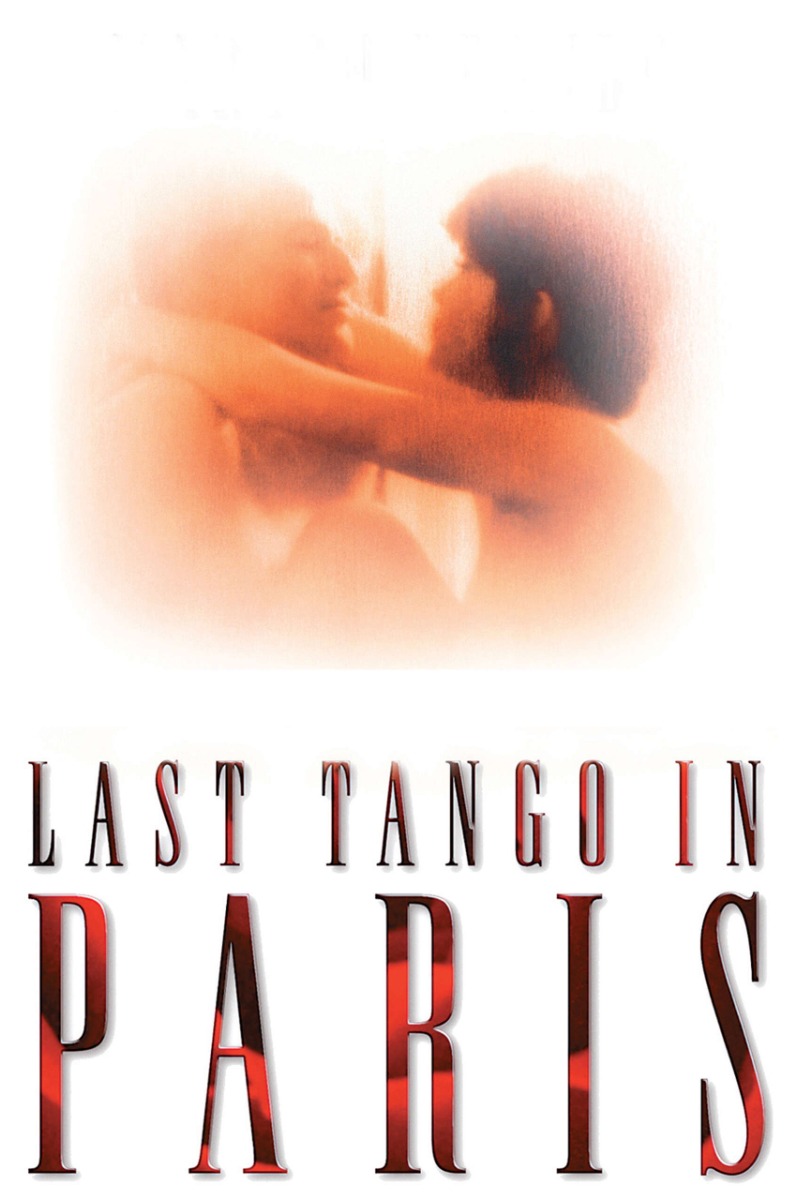
He had a role in Last Tango in Paris (1972), starring Marlon Brando and Maria Schneider. He later appeared in Bertolucci's The Dreamers (2003).
His participation in Bertolucci's films reflected his continuing importance to European auteur cinema.
International and Later Career
Léaud continued working with prominent directors throughout the following decades. His notable later films include I Hired a Contract Killer (1990) by Aki Kaurismäki, Irma Vep (1996) by Olivier Assayas, The Pornographer (2001) by Bertrand Bonello, and The Death of Louis XIV (2016) by Albert Serra.
In The Death of Louis XIV, Léaud portrayed King Louis XIV. His performance was highly praised and earned him the Lumière Award for Best Actor.
Awards and Honors
Jean-Pierre Léaud has received numerous awards and honors throughout his career, including:
- Silver Bear for Best Actor — Masculin Féminin (1966)
- Best Actor, Thessaloniki Film Festival — Pour rire! (1996)
- Honorary César — 2000
- FIPRESCI Prize — The Pornographer (2001)
- Honorary Palme d'Or — Cannes Film Festival (2016)
- Lumière Award for Best Actor — The Death of Louis XIV (2017)
The Honorary Palme d'Or recognized his extraordinary contribution to cinema and his unique place in film history.
Personal Life
Léaud has generally maintained a private personal life. He has been married to French actress Brigitte Duvivier.