Personal info
Known for
Cinematographer
Gender
Male
Birthday
10 August
Location
Missouri, United States
Edit pageJohn Bailey
Biography
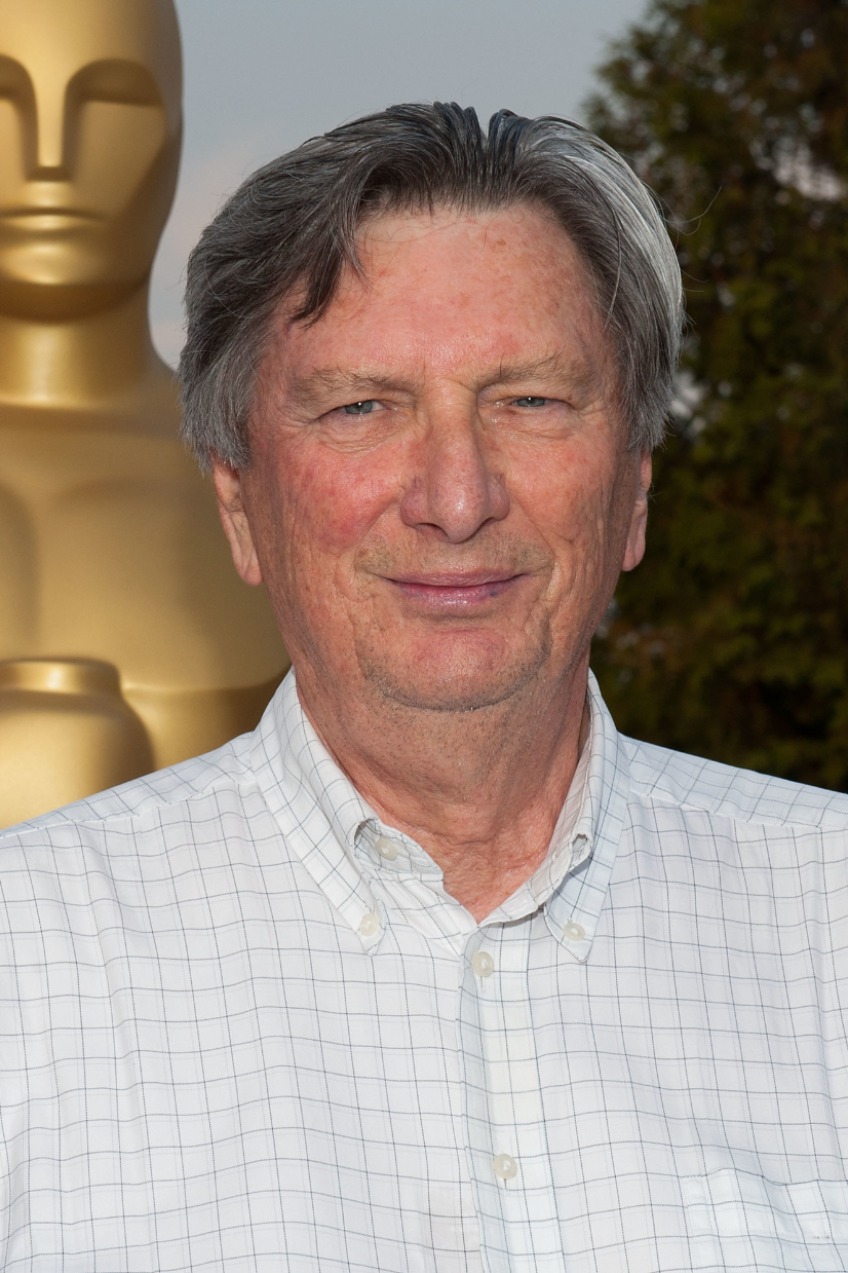
John Bailey is a renowned American cinematographer and film director known for his exceptional contribution to Hollywood cinema. He was born on August 10, 1942, in Moberly, Missouri, United States. From a young age, Bailey showed a deep interest in visual storytelling, photography, and filmmaking.
He pursued his passion by studying cinema and photography, which helped him develop the technical and artistic skills required to become a successful cinematographer. His education played a crucial role in shaping his understanding of lighting, composition, and visual narrative.
Career as a Cinematographer
John Bailey built a highly respected career as a cinematographer, working on numerous critically acclaimed and commercially successful films. He became known for his ability to create visually compelling scenes that enhanced storytelling.
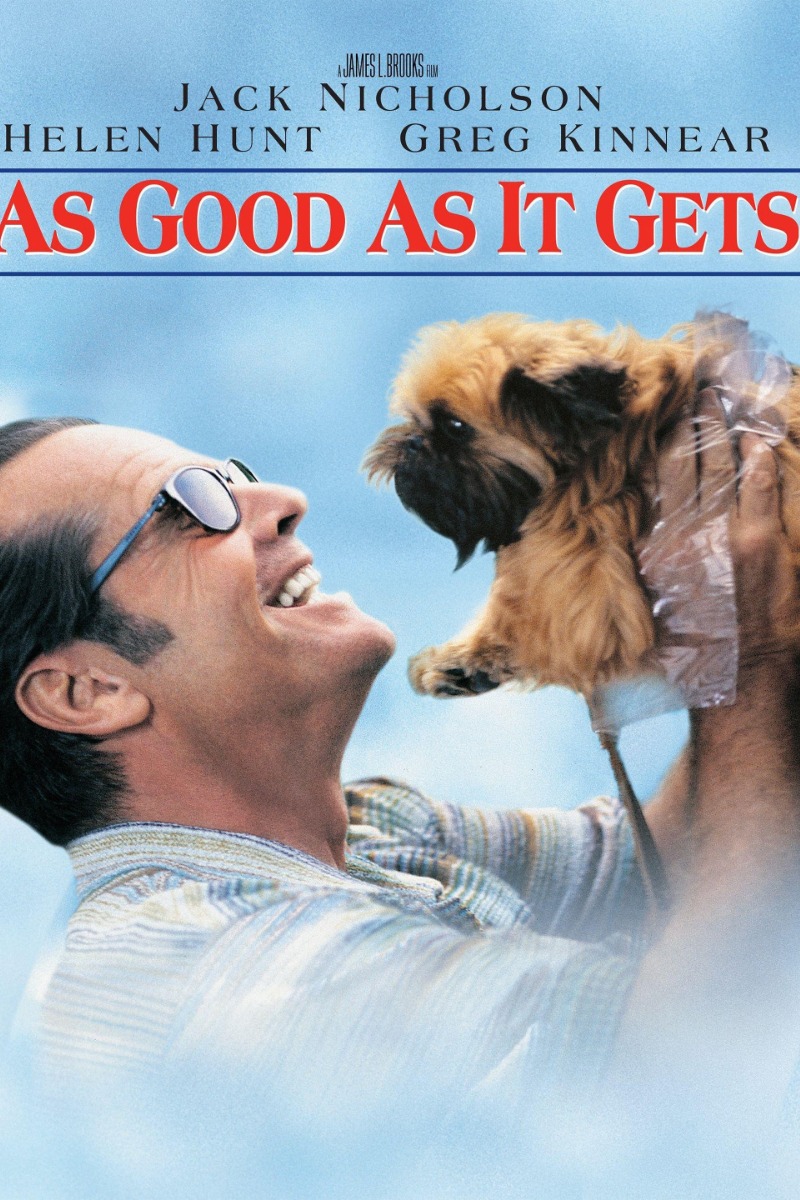
One of his most notable works was as the cinematographer for As Good as It Gets (1997), a successful romantic comedy-drama starring Jack Nicholson and Helen Hunt. His cinematography helped bring emotional depth and visual clarity to the film.
He also worked on several other important films, including:
Groundhog Day (1993) is a classic comedy film praised for its creative storytelling
The Big Chill (1983), a critically acclaimed drama
American Gigolo (1980), known for its stylish visuals
His work in these films demonstrated his versatility and mastery of cinematic techniques.
Career as a Director
In addition to cinematography, John Bailey also worked as a film director. His experience behind the camera gave him a strong understanding of visual storytelling, which helped him direct films effectively.
His ability to combine technical expertise with creative vision made him successful in both cinematography and directing.
Role in the Academy of Motion Picture Arts and Sciences
John Bailey has also played an important leadership role in the film industry. He served as the president of the Academy of Motion Picture Arts and Sciences, the organization responsible for the Academy Awards (Oscars).
As president, he contributed to supporting filmmakers, promoting cinema, and helping guide the future of the film industry.