Personal info
Known for
Ultimate Talent
Gender
Male
Birthday
02 August
Location
Pennsylvania, United States
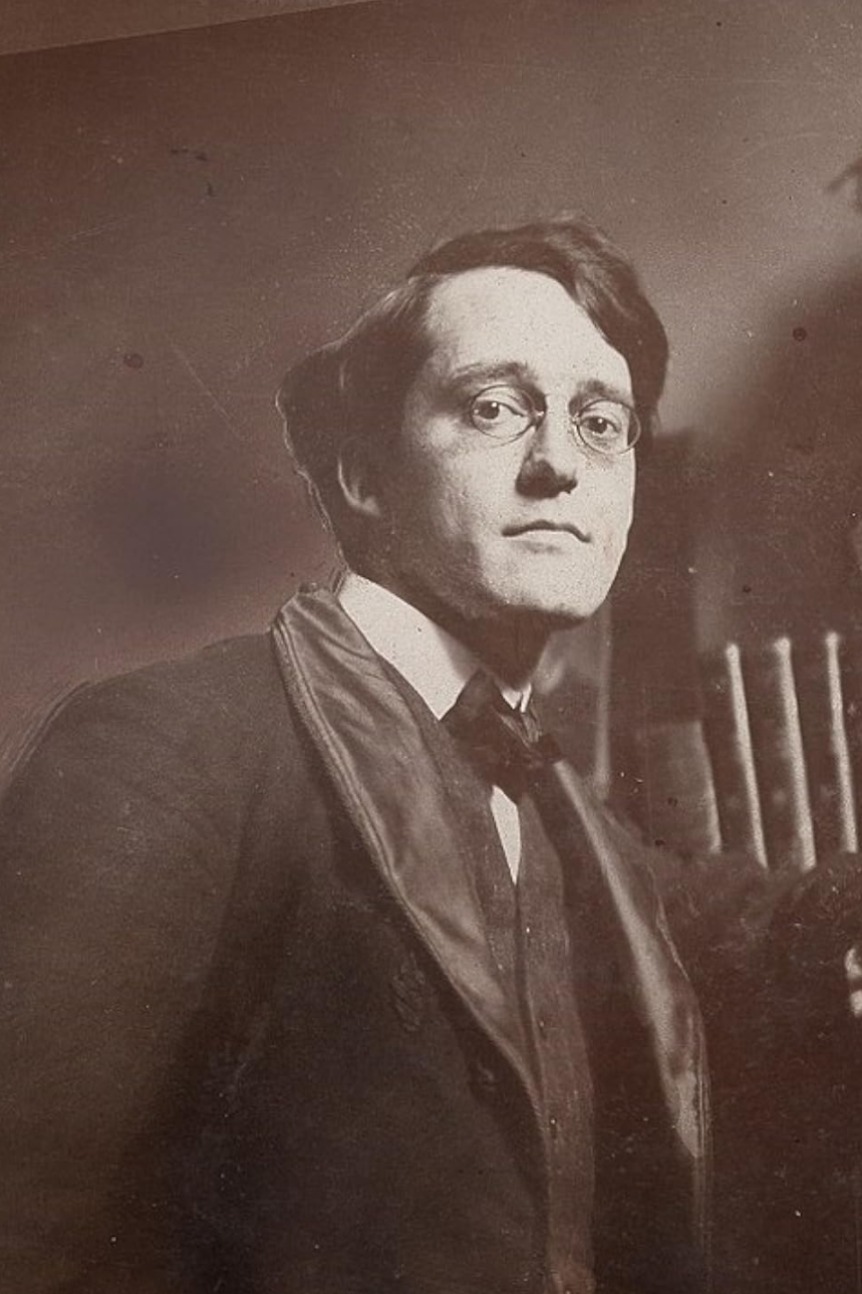
Edit pageJohn French Sloan
Biography
John French Sloan (August 2, 1871 – September 7, 1951) was an American painter, etcher, illustrator, and art teacher, widely regarded as one of the leading figures of the Ashcan School of American art. He was celebrated for his realistic paintings and prints depicting everyday urban life, particularly the streets, neighbourhoods and working-class communities of New York City.
Early Life and Education
Sloan was born on August 2, 1871, in Lock Haven, Pennsylvania, United States. He grew up in Philadelphia, where he attended Central High School. Due to financial difficulties in his family, he left school before graduating and began working at a bookstore and print shop. During this period, he developed an interest in drawing, illustration, and printmaking, teaching himself the technique of etching. He later attended drawing classes at the Spring Garden Institute and studied at the Pennsylvania Academy of the Fine Arts under Thomas Anshutz.
Career
Sloan began his professional career as a newspaper illustrator, joining the art department of the Philadelphia Inquirer in 1892. He later worked for the Philadelphia Press, where he developed his skills in commercial illustration and drawing. During this period, he became friends with fellow artists William Glackens, George Luks, and Everett Shinn and came under the influence of painter Robert Henri, who encouraged him to explore realistic subjects.
In 1904, Sloan moved to New York City with his first wife, Anna Maria Wall, known as Dolly. There, he began creating paintings and etchings inspired by everyday experiences in Greenwich Village, the Tenderloin district and other working-class neighbourhoods. His artwork portrayed ordinary people, crowded streets, restaurants, shops and domestic life with honesty and attention to detail.
In 1908, he participated in the influential exhibition of The Eight at the Macbeth Gallery in New York. The group challenged traditional academic art and helped establish the foundations of the Ashcan School, an artistic movement known for its realistic depictions of urban life. Sloan became one of its most prominent members.
He also contributed illustrations to the socialist magazine The Masses and supported various social reform causes. In 1916, he helped establish the Society of Independent Artists and became a respected instructor at the Art Students League, teaching several generations of American artists.
Notable Works and Artistic Style
Sloan was particularly recognised for his energetic brushwork, dark colour palette, and realistic portrayal of modern city life. His notable paintings include McSorley's Bar (1912), Hairdresser's Window (1907), The Wake of the Ferry (1907) and Backyards, Greenwich Village (1914). He also produced numerous etchings and illustrations throughout his career.
During the later years of his career, he explored landscapes, portraits, nudes, and more experimental approaches to painting, drawing inspiration from his summers in Gloucester, Massachusetts, and Santa Fe, New Mexico.
Personal Life and Death
Sloan married Anna Maria Wall in 1901. Following her death in 1943, he married Helen Farr, a former student, in 1944. In 1939, he published The Gist of Art, a book presenting his artistic ideas and philosophy.
He continued painting despite declining eyesight during his later years. John French Sloan died of cancer on September 7, 1951, in Hanover, New Hampshire, at the age of 80.