Personal info
Known for
Actor
Gender
Male
Birthday
11 April
Location
Missouri, United States
Edit pageJohn Milius
Biography
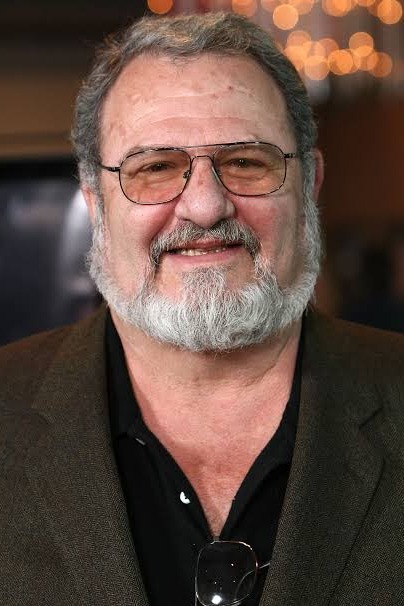
John Frederick Milius (born April 11, 1944) is an American filmmaker, screenwriter, and producer best known for his influential work during the New Hollywood era. Renowned for his powerful dialogue, epic storytelling, and themes of war, heroism, and adventure, Milius has written and directed several acclaimed films. He is particularly recognized for writing Apocalypse Now, Dirty Harry, and Conan the Barbarian, and for directing Big Wednesday, Conan the Barbarian, and Red Dawn.
Early Life and Education
John Milius was born on April 11, 1944, in St. Louis, Missouri, United States, and grew up in Southern California. His father worked in manufacturing, and Milius developed a fascination with military history, firearms, surfing, and classic adventure literature from an early age.
He attended the University of Southern California (USC) School of Cinematic Arts, where he studied filmmaking. Although he aspired to join the U.S. Marine Corps, severe asthma prevented him from serving in the military. Instead, he channeled his passion for military history into screenwriting and filmmaking.
Career
Milius began his career in Hollywood as a screenwriter in the late 1960s and quickly became one of the leading writers of the New Hollywood movement alongside filmmakers such as George Lucas, Steven Spielberg, and Francis Ford Coppola.
His first major success came with the screenplay for Jeremiah Johnson (1972), followed by his contributions to Dirty Harry (1971), whose iconic "Do you feel lucky?" speech is closely associated with Milius' writing style.
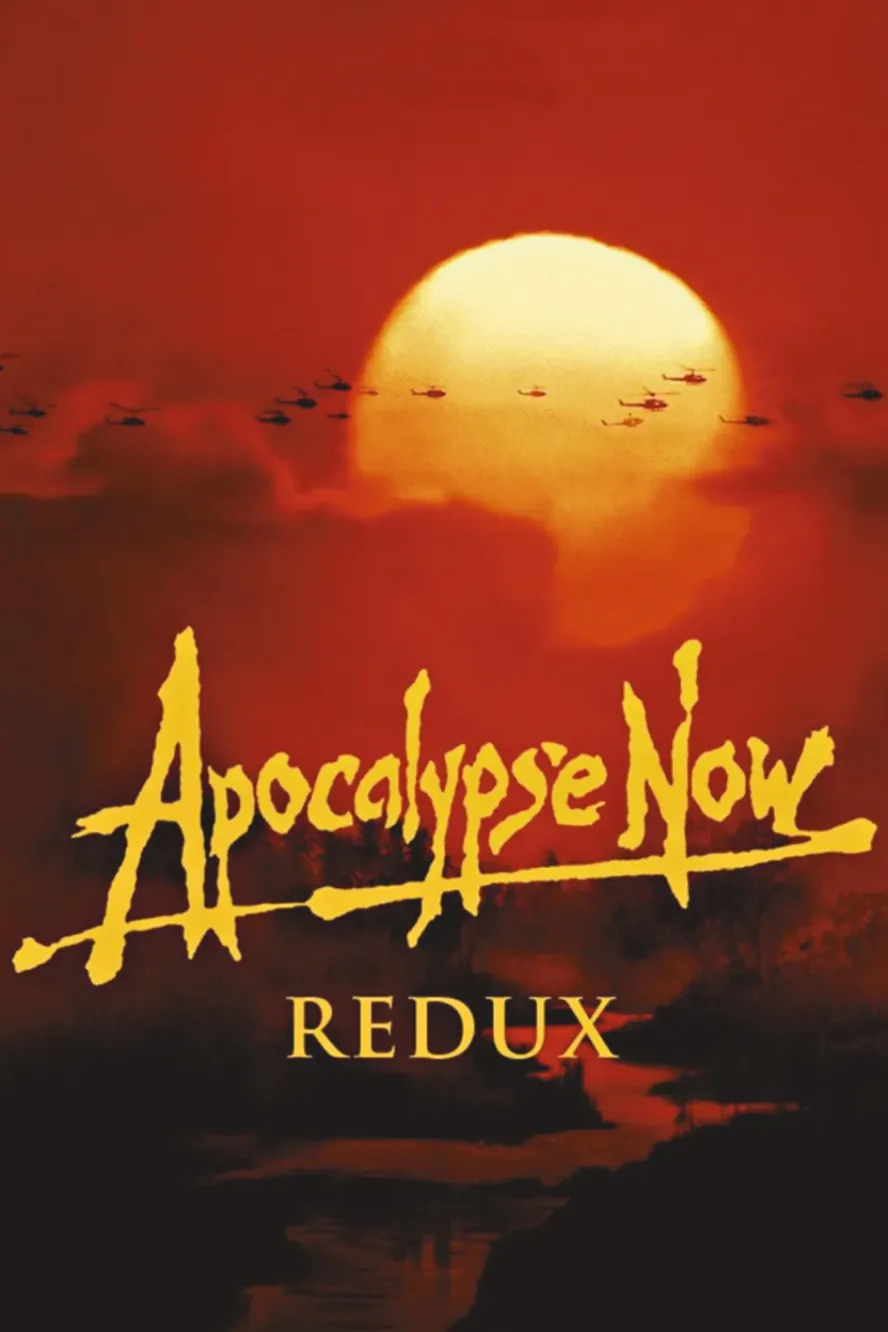
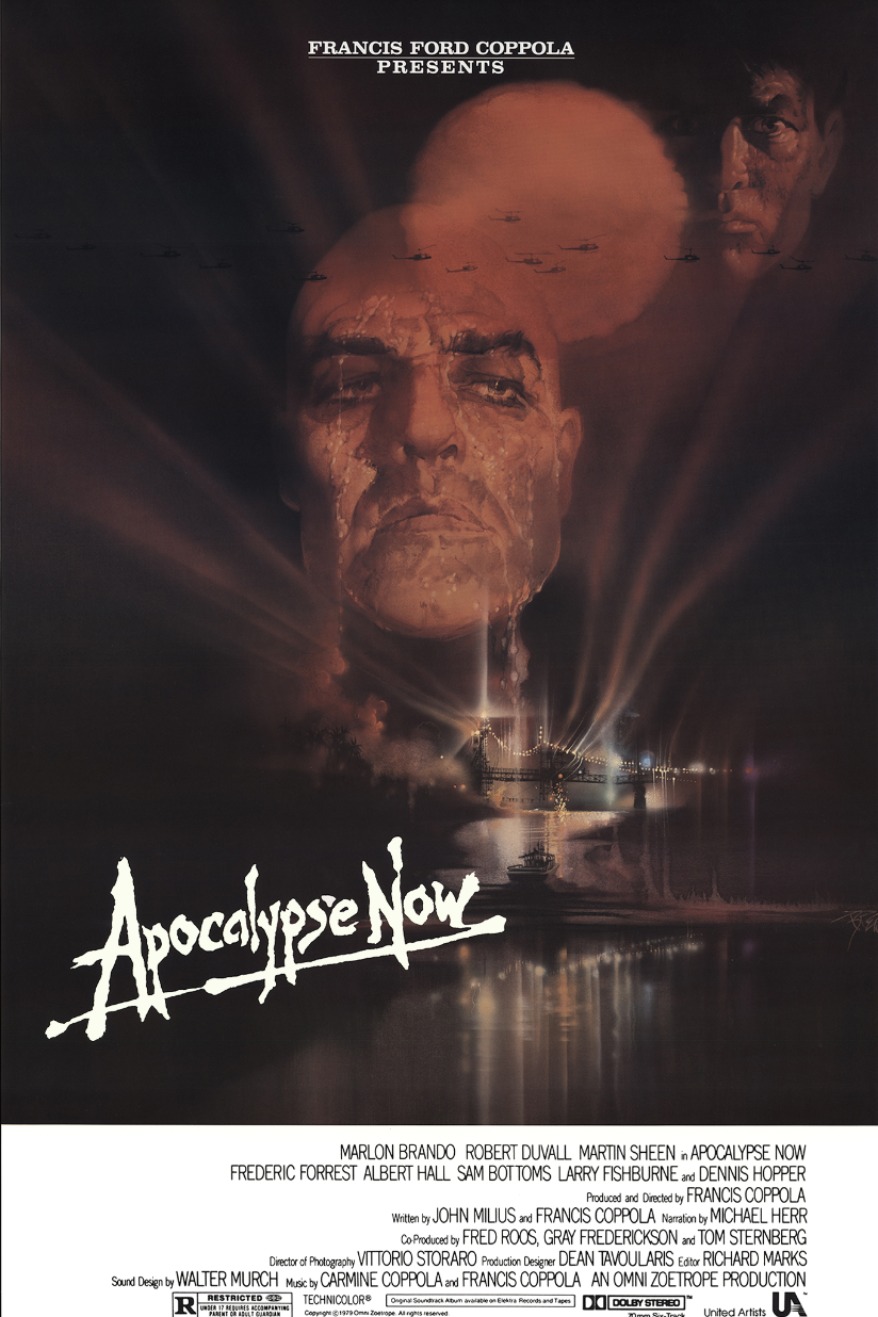
His most celebrated screenwriting achievement was Apocalypse Now (1979). Working from an original screenplay he developed, Francis Ford Coppola transformed the project into one of the greatest war films ever made. Milius received an Academy Award nomination for Best Adapted Screenplay for his work on the film.
As a director, Milius earned praise for Big Wednesday (1978), a drama about friendship and surfing culture. He later directed Conan the Barbarian (1982), starring Arnold Schwarzenegger, which became a fantasy classic and helped launch Schwarzenegger's career as a leading action star.
In 1984, Milius directed Red Dawn, depicting a group of American teenagers resisting a foreign invasion. The film became a cult favorite and remains one of the most recognized action films of the 1980s.
Throughout his career, Milius also wrote or contributed to the scripts of films such as The Life and Times of Judge Roy Bean, Magnum Force, Dillinger, The Wind and the Lion, and Clear and Present Danger.
Milius also worked in television, serving as one of the creators of the historical drama series Rome (2005–2007), which was praised for its ambitious depiction of ancient Rome.
Awards and Recognition
During his career, Milius has received numerous honors, including:
- Academy Award nomination for Apocalypse Now
- Saturn Award nominations
- Recognition from film critics and industry organizations for his contributions to screenwriting and directing
Although not as prolific as some of his contemporaries, Milius is widely regarded as one of Hollywood's most influential screenwriters.
Selected Filmography
As Director
- Dillinger (1973)
- The Wind and the Lion (1975)
- Big Wednesday (1978)
- Conan the Barbarian (1982)
- Red Dawn (1984)
- Farewell to the King (1989)
- Flight of the Intruder (1991)
As Screenwriter
- Dirty Harry (1971)
- Jeremiah Johnson (1972)
- The Life and Times of Judge Roy Bean (1972)
- Magnum Force (1973)
- Apocalypse Now (1979)
- Conan the Barbarian (1982)
- Clear and Present Danger (1994)
Legacy
John Milius remains one of the defining voices of American cinema's New Hollywood era. His bold storytelling, unforgettable dialogue, and passion for history and adventure have left a lasting mark on the film industry. His work continues to inspire filmmakers, writers, and audiences, and many of his films are regarded as classics of the action, war, and fantasy genres.