Personal info
Known for
Ultimate Talent
Gender
Male
Birthday
06 June
Location
Connecticut, United States
Edit pageJohn Trumbull
Biography
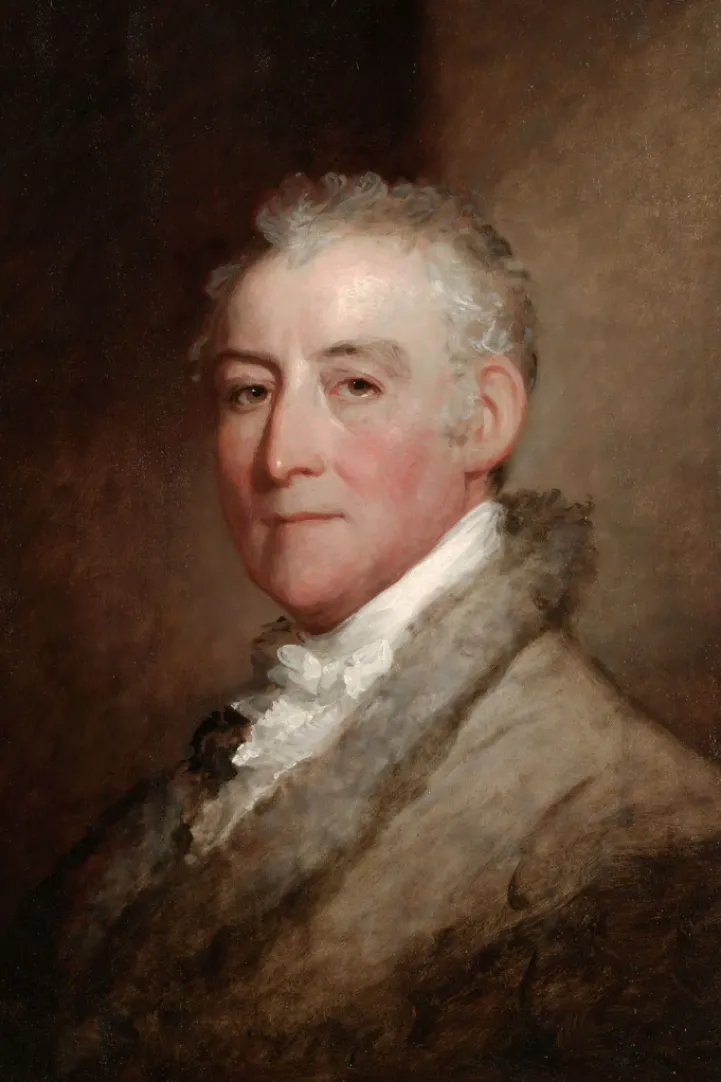
John Trumbull was an American painter, architect, soldier and diplomat, best known for his historical paintings depicting important events of the American Revolutionary War. He is regarded as one of the leading early American history painters.
Born on June 6, 1756, in Lebanon, Connecticut, he was the son of Jonathan Trumbull, who served as governor of Connecticut. He graduated from Harvard College in 1773 and later served in the Continental Army during the American Revolution. He briefly worked as an aide-de-camp to General George Washington before resigning his military commission in 1777.
In 1780, Trumbull travelled to London, where he studied under the painter Benjamin West at the Royal Academy. After returning to America, he began creating portraits and historical paintings based on events and personalities of the Revolution. He also served as a diplomat in London and remained closely involved in the development of American art.
Notable Works
His most celebrated paintings include The Declaration of Independence (1786–1820), The Death of General Warren at the Battle of Bunker's Hill (1786), The Death of General Montgomery in the Attack on Quebec (1786), The Surrender of General Burgoyne (1821) and The Surrender of Lord Cornwallis (1820–1821).
Four of his major historical paintings were commissioned for the United States Capitol Rotunda and installed in 1826. These works depict significant moments in the American Revolution.
Later Life and Recognition
Trumbull served as president of the American Academy of Fine Arts from 1816 to 1835. In 1831, he transferred a large collection of his paintings to Yale College in exchange for an annuity. His collection later became an important part of Yale's art holdings.
Death and Legacy
John Trumbull died on November 10, 1843, in New York City, at the age of 87. He is remembered for documenting the American Revolution through paintings that preserved the likenesses of its prominent leaders and important historical events.