Personal info
Known for
Ultimate Talent
Gender
Male
Birthday
Location
England, United Kingdom
Edit pageJohn Wesley Jarvis
Biography
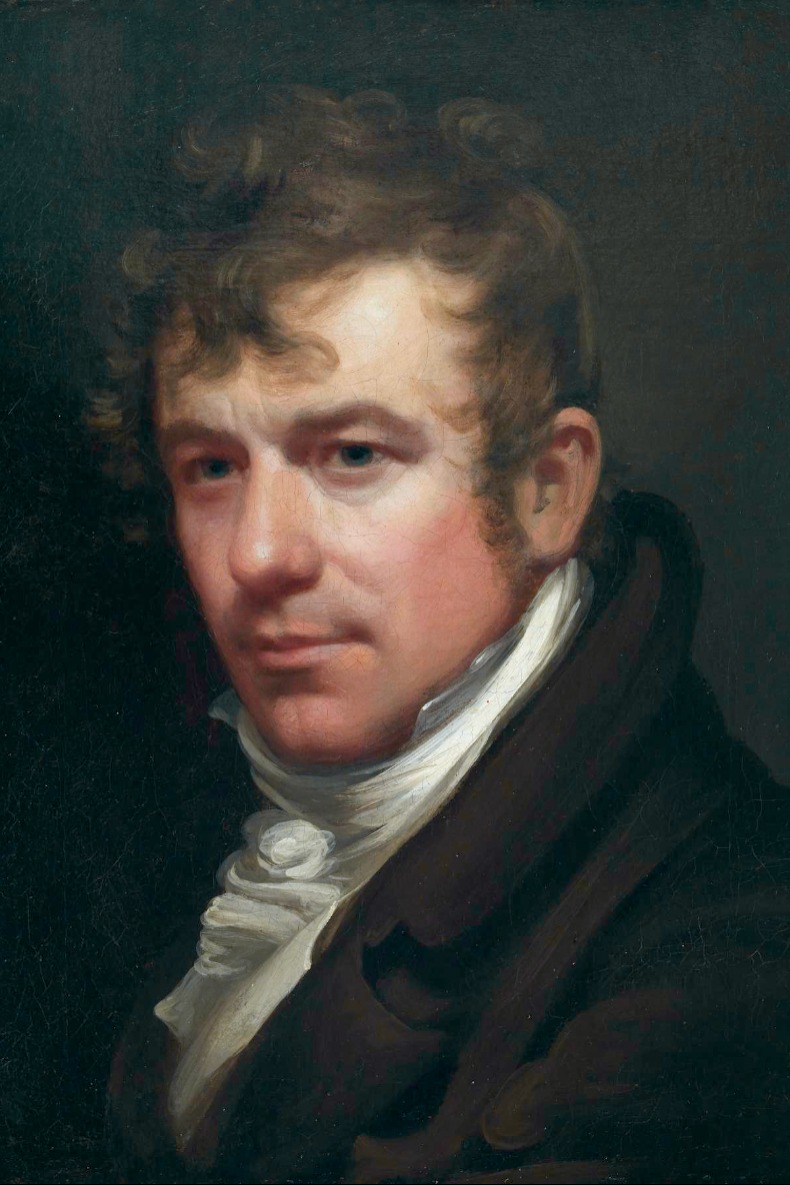
John Wesley Jarvis (1780 – January 14, 1840) was an English-born American portrait painter, miniaturist, and engraver who became one of the most celebrated portrait artists in the United States during the early 19th century. Renowned for his lively, expressive portraits and exceptional ability to capture the personalities of his subjects, Jarvis painted many of the nation's leading political figures, military officers, actors, and writers. He also played an important role as a teacher, mentoring several artists who would become influential in American art.
Early Life and Education
John Wesley Jarvis was born in 1780 in South Shields, County Durham, England. As a child, he emigrated with his family to the United States, settling in Philadelphia, Pennsylvania.
Jarvis initially trained under the painter Matthew Pratt, where he learned the fundamentals of drawing and portraiture. He later expanded his skills by studying engraving and miniature painting, developing a versatile artistic practice that combined technical precision with expressive realism.
Career
Jarvis began his professional career in Philadelphia before relocating to New York City, where he established one of the most successful portrait studios of his time. By the early 1800s, he had become one of America's most sought-after portrait painters.
His clientele included presidents, politicians, judges, military officers, merchants, and prominent figures from the theater. Jarvis was particularly admired for his ability to create portraits that conveyed not only a sitter's physical likeness but also their character and vitality.
In addition to portrait painting, Jarvis produced theatrical scenery, historical paintings, and engravings. His close association with the New York theater community led him to paint numerous actors and stage personalities, further expanding his reputation.
Jarvis was also an influential teacher. Among his most notable pupils was Henry Inman, who later became one of America's leading portrait painters. Through his instruction, Jarvis helped shape the next generation of American artists.
Despite his artistic success, Jarvis experienced financial difficulties later in life due to poor business management and declining health. Nevertheless, he continued painting until shortly before his death.
Artistic Style
John Wesley Jarvis's work is characterized by:
- Realistic and expressive portraiture.
- Loose yet confident brushwork.
- Strong psychological insight into his subjects.
- Rich, natural color palettes.
- Dynamic compositions.
- Elegant yet informal presentation of sitters.
His portraits are admired for their spontaneity, warmth, and ability to capture individual personality.
Notable Works
Some of John Wesley Jarvis's best-known works include:
- Portrait of Chief Justice John Marshall
- Portrait of Andrew Jackson
- Portrait of DeWitt Clinton
- Portrait of John Randolph of Roanoke
- Portrait of Dolley Madison
- Numerous portraits of leading American actors and public figures
His paintings remain important visual records of early American political and cultural history.
Awards and Recognition
Although formal artistic awards were uncommon during his lifetime, Jarvis enjoyed widespread recognition as one of America's finest portrait painters. His works are now held in major museums and historical collections, including the Metropolitan Museum of Art, the National Portrait Gallery, the Smithsonian American Art Museum, the New-York Historical Society, and other leading institutions.
He is regarded as one of the foremost portraitists of the Federal period in American art.
Personal Life
Jarvis was known for his outgoing personality, wit, and active involvement in New York's artistic and theatrical communities. He maintained friendships with many writers, actors, and public figures, which contributed to his broad circle of influential patrons.
Although his later years were marked by financial hardship and declining health, he remained devoted to painting throughout his life.
Death
John Wesley Jarvis died on January 14, 1840, in New York City, at approximately 60 years of age.