Personal info
Known for
Cinematographer
Gender
Male
Birthday
15 December
Location
Ciudad de México, Mexico
Edit pageJoseph MacDonald
Biography
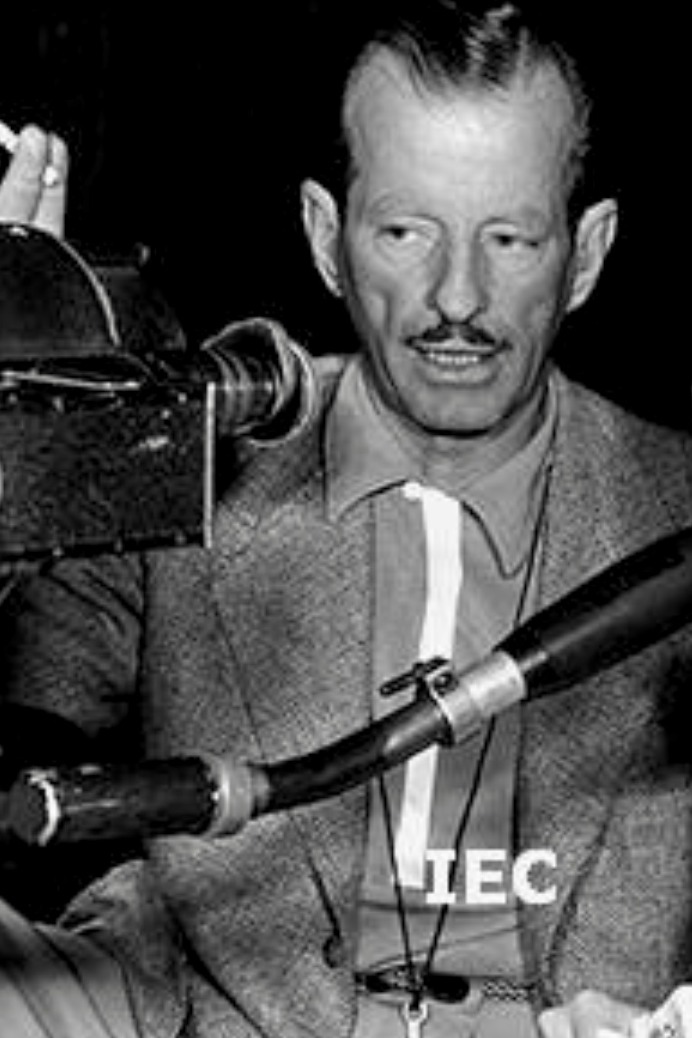
Joseph Patrick MacDonald (December 15, 1906 – May 26, 1968) was a Mexican-born American cinematographer who became one of the prominent directors of photography of Hollywood's Golden Age. He was particularly admired for his work in film noir, westerns, dramas, adventure films, and musicals, and spent much of his career working with 20th Century Fox.
Early Life
Joseph MacDonald was born on December 15, 1906, in Mexico City, Mexico. He initially studied mining engineering at the University of Southern California, but eventually turned toward cinematography.
In the early 1920s, he began his film career as an assistant cameraman at First National. After years of experience, he advanced to become a first camera operator before establishing himself as a full-fledged director of photography.
Career at 20th Century Fox
MacDonald joined 20th Century Fox in 1941, where he worked as a cinematographer for many years. He was highly versatile and worked successfully in both black-and-white and color cinematography.
His work was characterized by careful lighting, strong composition, and an ability to create distinctive visual atmospheres. He photographed everything from gritty urban film noir to expansive western landscapes and glamorous color productions.
Notable Films
MacDonald worked on a large number of important Hollywood productions. His notable cinematography credits include:
- My Darling Clementine (1946)
- Call Northside 777 (1948)
- Yellow Sky (1948)
- Panic in the Streets (1950)
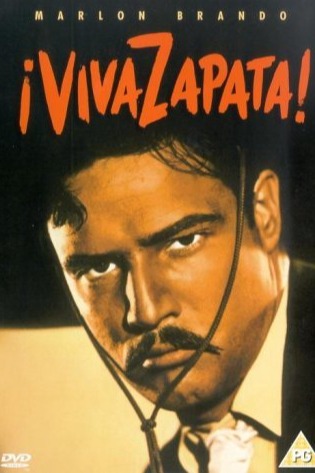
- Viva Zapata! (1952)
- Niagara (1953)
- How to Marry a Millionaire (1953)
- Broken Lance (1954)
- House of Bamboo (1955)
- Bigger Than Life (1956)
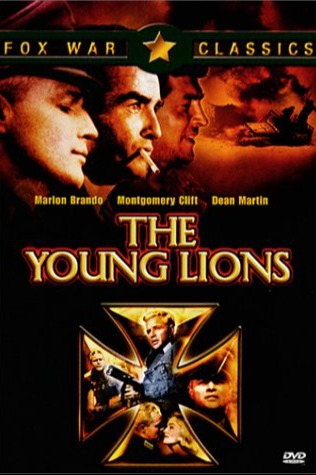
- The Young Lions (1958)
- Warlock (1959)
- Taras Bulba (1962)
- The Carpetbaggers (1964)
- Mirage (1965)
- Alvarez Kelly (1966)
- The Sand Pebbles (1966)
- A Guide for the Married Man (1967)
- Mackenna's Gold (1969)
Work with Marilyn Monroe
MacDonald was the cinematographer for two notable Marilyn Monroe films in 1953: Niagara and How to Marry a Millionaire. His work on How to Marry a Millionaire was especially significant because it was the first film photographed in CinemaScope, marking an important development in widescreen cinema.
Work with Major Directors
MacDonald collaborated with several important directors, including John Ford, Elia Kazan, Henry Hathaway, Samuel Fuller, and Robert Wise.
His cinematography for John Ford's My Darling Clementine helped create the film's distinctive western atmosphere. He also worked with Elia Kazan on Panic in the Streets and Viva Zapata!, while his work with Robert Wise culminated in the large-scale historical adventure ** The Sand Pebbles (1966)**.
The Sand Pebbles
One of MacDonald's final major achievements was ** The Sand Pebbles (1966)**, directed by Robert Wise and starring Steve McQueen, Richard Attenborough, Richard Crenna, and Candice Bergen.
MacDonald photographed the film in Panavision, creating expansive images that complemented the film's large-scale story and its setting along the Yangtze River. His work earned him an Academy Award nomination for Best Cinematography – Color.
Academy Award Nominations
MacDonald received three Academy Award nominations for cinematography:
- The Young Lions (1958) – Best Cinematography, Black-and-White
- Pepe (1960) – Best Cinematography
- The Sand Pebbles (1966) – Best Cinematography, Color
He did not win the Oscar, but these nominations reflected the high regard in which his work was held within the film industry.
Death
Joseph MacDonald died on May 26, 1968, in Woodland Hills, California, at the age of 61. Mackenna's Gold, which he had photographed, was released posthumously in 1969.