Personal info
Known for
Cinematographer
Gender
Male
Birthday
05 September
Location
England, United Kingdom
Edit pageJohn Alcott
Biography
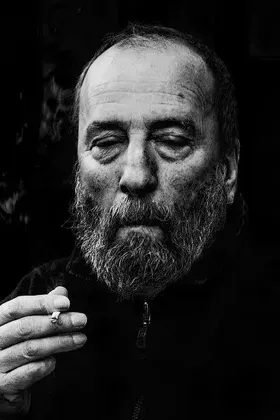
John Alcott (5 September 1930 – 28 July 1986) was a distinguished British cinematographer best known for his collaborations with director Stanley Kubrick. Renowned for his mastery of natural lighting and technical innovation, Alcott played a pivotal role in shaping the visual language of some of the most iconic films of the 20th century, including A Clockwork Orange, Barry Lyndon, and The Shining.
Early Life and Entry into Film
Born in London, England, John Alcott began his career in the British film industry in the 1950s. He initially worked in supporting roles within camera departments, gaining practical experience as a camera operator and assistant cinematographer.
His early technical training provided him with a deep understanding of camera mechanics and lighting—skills that would later define his signature style.
Collaboration with Stanley Kubrick
Alcott’s career reached new heights through his long-standing collaboration with Stanley Kubrick. He first worked with Kubrick as a camera operator on 2001: A Space Odyssey (1968), under cinematographer Geoffrey Unsworth. After Unsworth departed during production, Alcott stepped in to complete certain segments, earning Kubrick’s trust.
A Clockwork Orange (1971)
Alcott served as director of photography for this dystopian classic. The film showcased his ability to combine stylized compositions with practical lighting setups, helping create its bold, unsettling visual tone.
Barry Lyndon (1975)
Perhaps Alcott’s most celebrated achievement, Barry Lyndon is famous for its use of natural light and candlelit interiors. To achieve the film’s painterly look, Alcott used specially modified lenses originally developed for NASA, allowing scenes to be shot using only candlelight.
His work on Barry Lyndon earned him the Academy Award for Best Cinematography and remains one of the most admired feats of technical and artistic cinematography in film history.
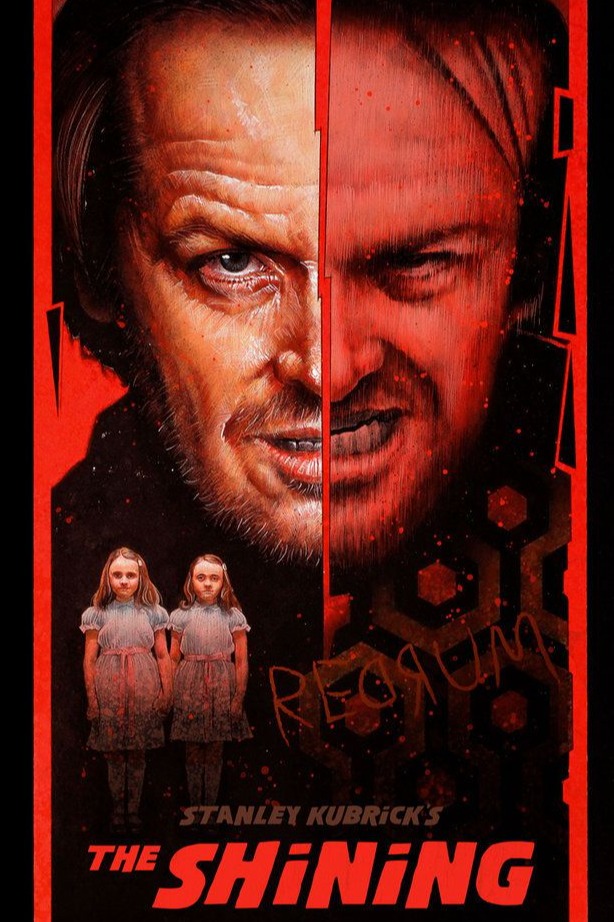
The Shining (1980)
In Kubrick’s psychological horror masterpiece, Alcott utilized innovative Steadicam techniques to create fluid, immersive tracking shots throughout the Overlook Hotel. The film’s unsettling atmosphere owes much to its precise lighting and careful framing, which enhanced its sense of isolation and dread.
Work Beyond Kubrick
After he collaborated with Kubrick, Alcott continued working on notable projects, including:
The Beastmaster (1982)
Under Fire (1983)
No Way Out (1987, released posthumously)
These films demonstrated his versatility, as he transitioned from historical drama and psychological horror to fantasy and political thrillers.
Awards and Recognition
In addition to his Academy Award win for Barry Lyndon, Alcott received nominations and recognition from major film organizations, including the British Academy of Film and Television Arts (BAFTA).
He was widely respected within the industry for his technical expertise and collaborative spirit.
Death and Legacy
John Alcott passed away on 28 July 1986 at the age of 55. Despite his relatively early death, his influence on cinematography remains profound. His work on Barry Lyndon continues to be studied in film schools, particularly for its groundbreaking natural-light photography.