
K. Balachander
Biography
K. Balachander was one of the most influential filmmakers in Indian cinema, celebrated for his bold storytelling, strong female characters, and socially relevant themes. A visionary director, producer, and screenwriter, he played a pivotal role in redefining Tamil cinema and nurturing some of the industry’s finest talents.
Early Life and Background
Kailasam Balachander was born on 9 July 1930 in Nannilam, in the Thanjavur district of Tamil Nadu. Before entering films, he worked in the insurance sector while actively writing and staging plays. His theatre background greatly shaped his cinematic style, especially his emphasis on dialogue, character depth, and social issues.
Career in Cinema
Balachander made his mark initially as a playwright, earning acclaim for thought-provoking dramas that challenged social norms. He entered the film industry as a screenwriter and soon transitioned into direction. His directorial debut in Tamil cinema came with Neerkumizhi (1965), followed by several critically acclaimed films that addressed themes such as gender equality, marital discord, class conflict, and human relationships.
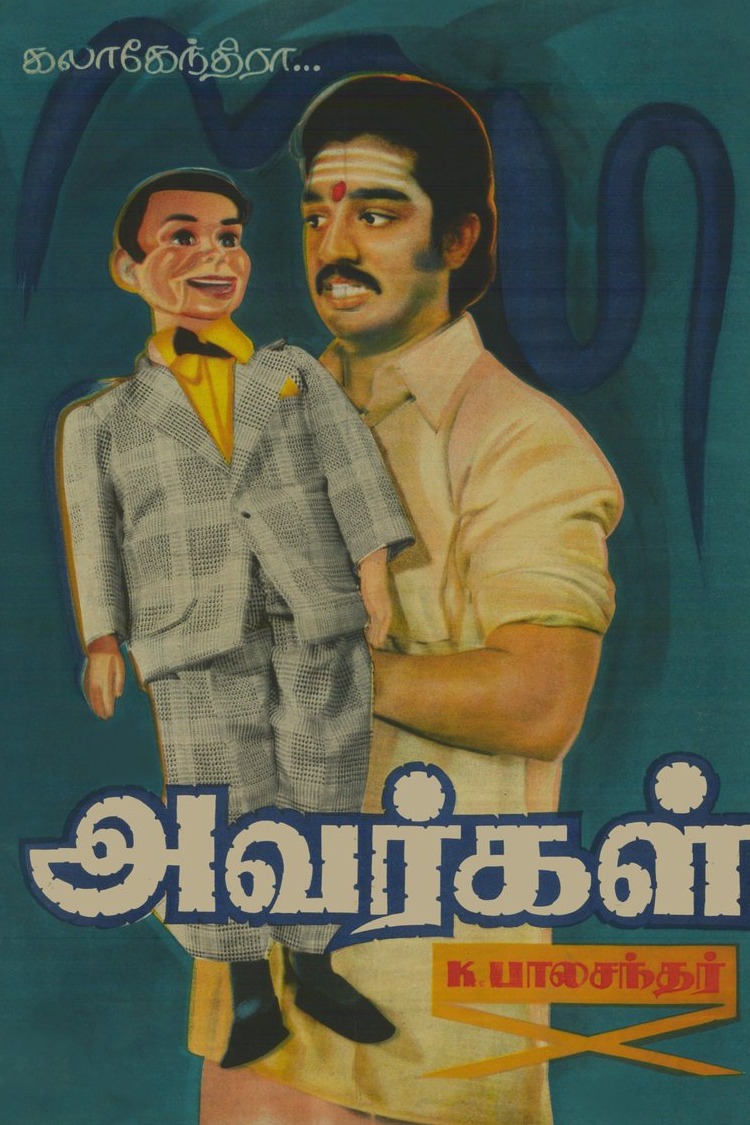
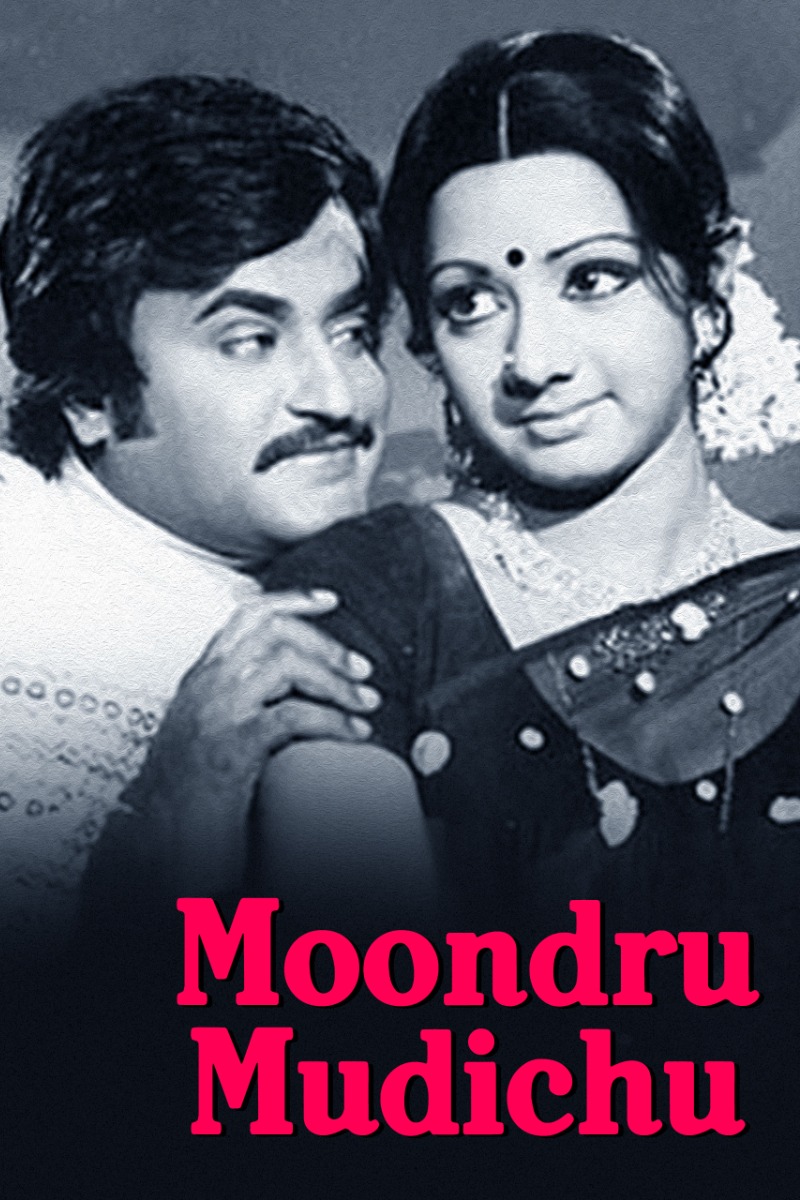
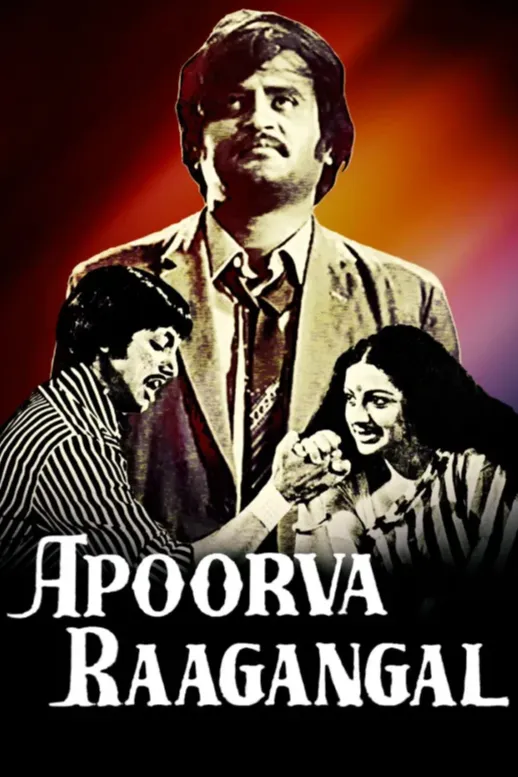
Over his illustrious career, K. Balachander directed films in multiple languages, including Tamil, Telugu, Kannada, Hindi, and Malayalam. Some of his most notable works include Apoorva Raagangal, Avargal, Moondru Mudichu, 47 Natkal, Sindhu Bhairavi, and Pudhiya Paravai. His films were known for their realism, progressive ideas, and powerful performances.
Mentor to Legends
One of Balachander’s greatest contributions was introducing and shaping legendary actors such as Rajinikanth, Kamal Haasan, Sridevi, Jayasudha, Prakash Raj, and Vivek. Many actors credited him for instilling discipline, performance depth, and professionalism early in their careers.
Awards and Legacy
K. Balachander received numerous awards, including multiple National Film Awards and Filmfare Awards. In 2010, he was honored with the Dadasaheb Phalke Award, India’s highest recognition in cinema, for his lifetime contribution to the film industry.
Known for



Actor
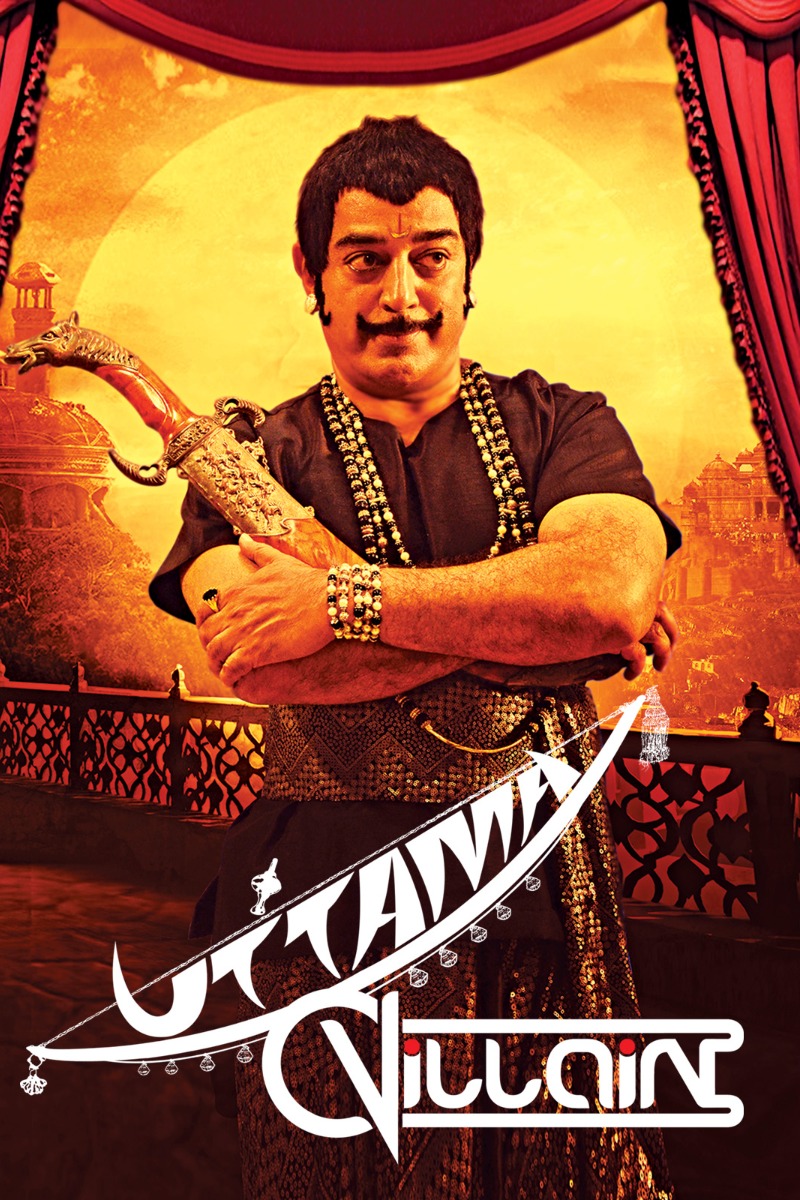
Uttama Villain as Marghadarsi