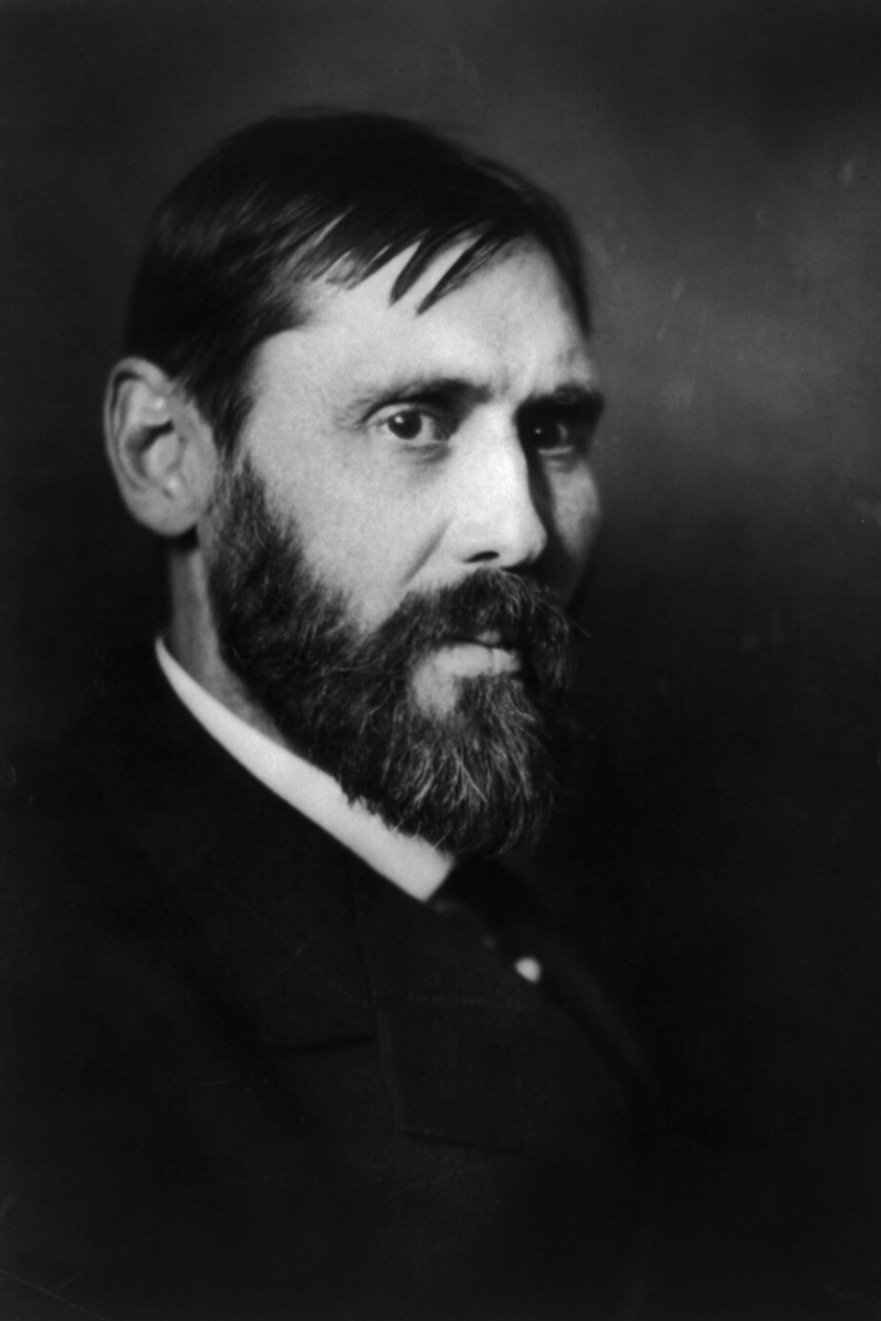
Personal info
Known for
Ultimate Talent
Gender
Male
Birthday
27 October
Location
Ohio, United States
Edit pageKenyon Cox
Biography
Kenyon Cox was an American painter, illustrator, critic, and teacher best known for his refined classical style and allegorical murals. At a time when modernism was gaining momentum, Cox remained a devoted advocate of traditional artistic values, emphasizing harmony, ideal beauty, and technical discipline. His work represents a bridge between 19th-century academic traditions and early 20th-century American mural painting.
Early Life and Education
Kenyon Cox was born on October 27, 1856, in Warren, Ohio, into a cultured and intellectually active family. His father was a prominent lawyer and newspaper editor, and Cox grew up in an environment that encouraged learning and artistic exploration.
He studied at the Pennsylvania Academy of the Fine Arts, where he trained under Thomas Eakins. Later, Cox traveled to Paris to study at the École des Beaux-Arts, receiving rigorous academic training that reinforced his commitment to classical composition and figure drawing.
Artistic Career and Development
Cox began his professional career as an illustrator, contributing to magazines and books while refining his painting skills. Over time, he shifted his focus toward mural painting and large-scale decorative works, where his classical sensibilities found their fullest expression.
He became especially associated with the American Renaissance movement, which sought to elevate American art and architecture through classical ideals. Cox received numerous public commissions, creating murals for government buildings, libraries, and educational institutions.
Style and Themes
Kenyon Cox’s art is characterized by balanced compositions, idealized human figures, and restrained color palettes. His murals often depict allegorical subjects drawn from classical mythology, history, and the arts themselves. These works were intended to inspire civic pride and moral reflection.
Cox believed strongly in the importance of beauty and order in art. He opposed abstraction and experimental modernist trends, arguing that art should remain grounded in tradition, craftsmanship, and shared cultural values.
Teaching and Writing
In addition to his work as an artist, Cox was an influential teacher and writer. He taught at the Art Students League of New York, where he emphasized careful drawing and compositional structure.
Cox was also a prolific art critic and essayist. Through his writings, he articulated a conservative aesthetic philosophy that defended classical art against modernist movements. His essays played an important role in shaping debates about the direction of American art in the early 20th century.
Later Life and Death
Kenyon Cox continued to paint, teach, and write until his death. Despite the growing dominance of modernism, he remained steadfast in his artistic beliefs and continued to receive respect for his technical mastery.
He died on May 17, 1919, in New York City.