László Benedek
Biography
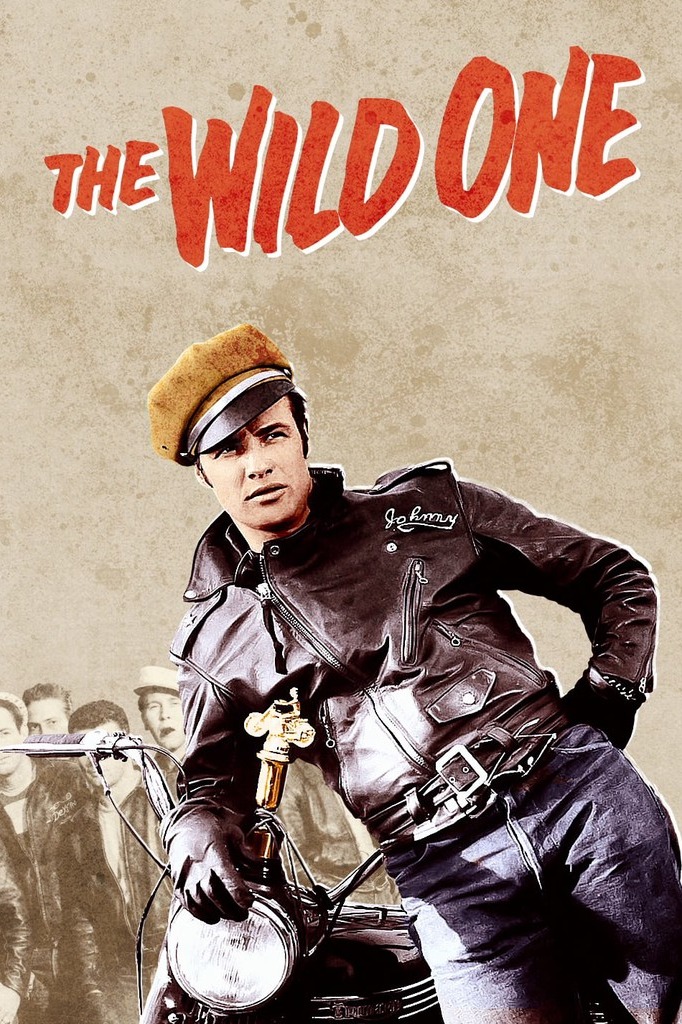
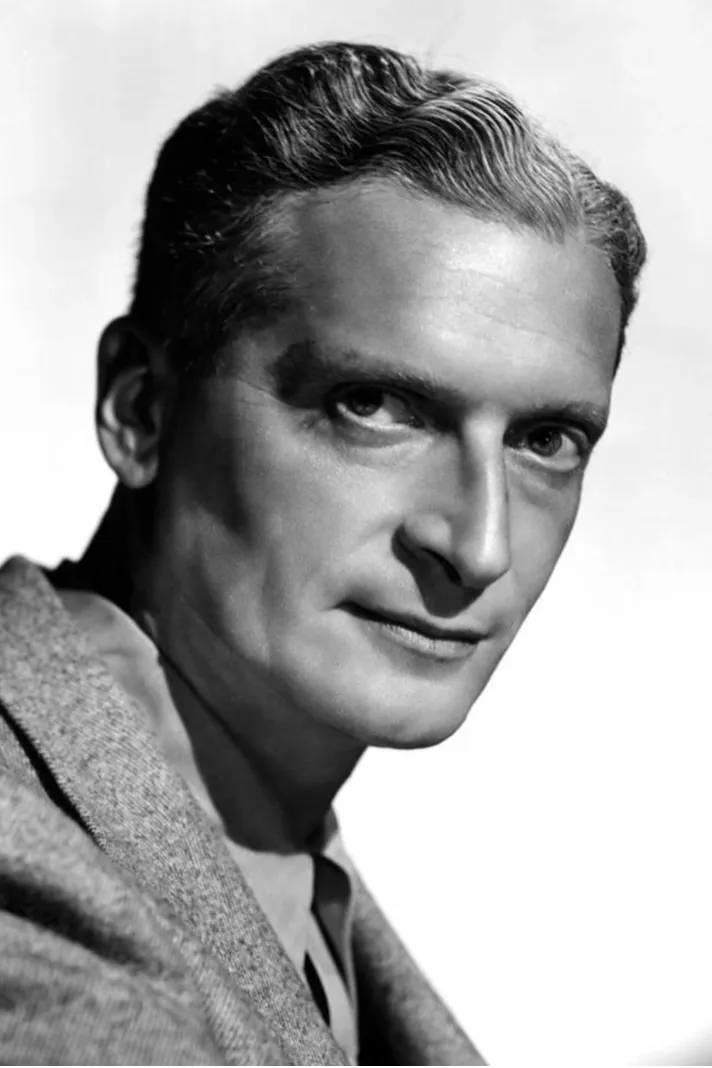
László Benedek was a Hungarian-American filmmaker whose career spanned European and American cinema. He worked as a director, cinematographer, and screenwriter and became particularly famous for directing The Wild One (1953), a landmark film about motorcycle gangs.
Early Life
László Benedek was born on March 3, 1905, in Budapest, Hungary. He developed an interest in cinema at an early age and began working in the European film industry before moving to the United States.
During his early career, he worked in several areas of filmmaking, gaining experience as a cinematographer and assistant director.
Career in Europe
Benedek worked in European cinema during the 1930s. He was involved with productions in Germany and other European countries before the rise of Nazi Germany made it increasingly difficult for many Jewish and European filmmakers to continue working safely.
He eventually emigrated to the United States, where he established a new career in Hollywood.
Hollywood Career
After arriving in America, Benedek worked on various film projects and gradually moved into directing.
He directed films in several genres, including drama, crime, war, adventure, and Western productions. His filmmaking was often characterized by an emphasis on realistic characters and social themes.
The Wild One
Benedek's most famous film was ** The Wild One (1953)**.
The film starred Marlon Brando as Johnny Strabler, the leader of a motorcycle gang known as the Black Rebels Motorcycle Club.
The story follows the gang as it travels into a small California town, causing trouble and confronting local authorities. Johnny becomes attracted to Kathie Bleeker, the sheriff's daughter, played by Mary Murphy, while tensions develop between his gang and a rival motorcycle group.
The film became one of the defining movies associated with the rise of motorcycle and youth-rebellion culture in American cinema.
Brando's leather-jacketed appearance and rebellious performance became highly influential in popular culture.
Other Films
Benedek directed several other productions during his career. His filmography included:
- The Wild One (1953)
- The Last Command (1955)
- The Night of the Following Day (1968)
- The Journey (1959)
- The Man in the Glass Booth (1975)
He also directed episodes of television series and worked in European and American productions.
Television Career
Benedek later worked extensively in television. He directed episodes and television films in genres ranging from drama and crime to Westerns.
His television work allowed him to remain active in the entertainment industry after the era of large-scale studio filmmaking began to change.
Acting and Writing
In addition to directing, Benedek worked as a screenwriter and cinematographer. His early experience behind the camera helped shape his approach to directing.
His background in European filmmaking contributed to the realistic tone found in several of his American productions.
The Wild One and Cultural Impact
Although The Wild One was controversial when released, it became an influential cultural landmark.
The film helped establish the image of the rebellious motorcycle rider in popular culture. Marlon Brando's portrayal of Johnny Strabler became especially influential, inspiring later depictions of rebellious youth and outlaw bikers.
The movie's themes of alienation, authority, rebellion, and youth culture reflected concerns that were becoming increasingly prominent in postwar American society.
Awards and Recognition
Benedek received professional recognition during his career, particularly for his work in film and television. Although he did not achieve the same level of fame as some of the stars he directed, his contribution to American genre filmmaking became increasingly appreciated by later audiences and critics.
Personal Life
Benedek was married and had children. He maintained a relatively private personal life while continuing to work in the film and television industries.
Death
László Benedek died on March 11, 1992, in Los Angeles, California, United States, at the age of 87.