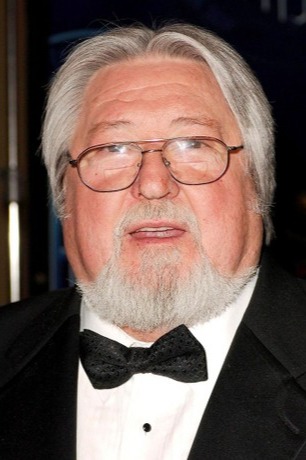
László Kovács
Biography
László Kovács was a Hungarian-American cinematographer whose innovative visual style helped shape the look of American cinema during the late 1960s and 1970s. A central figure of the New Hollywood movement, Kovács brought a naturalistic, free-flowing aesthetic to films that defined a generation.
Early Life and Escape from Hungary
László Kovács was born on May 14, 1933, in Cece, Hungary. He studied cinematography at the Academy of Drama and Film in Budapest.
In 1956, during the Hungarian Revolution against Soviet control, Kovács and fellow film student Vilmos Zsigmond risked their lives to document the uprising on film. After the revolution was crushed, the two fled Hungary, smuggling their footage out of the country. They eventually settled in the United States as refugees.
Their shared experience profoundly influenced their artistic sensibilities, contributing to the raw realism that would later characterize their work.
Early Career in America
In the United States, Kovács began working on low-budget exploitation films and television projects. Like many immigrant filmmakers, he initially struggled to establish himself in Hollywood.
However, his technical skill and willingness to experiment with lighting and camera movement quickly set him apart. He became known for using available light, handheld cameras, and innovative framing techniques—approaches that felt fresh and authentic compared to the polished studio look of the time.
Breakthrough: Easy Rider
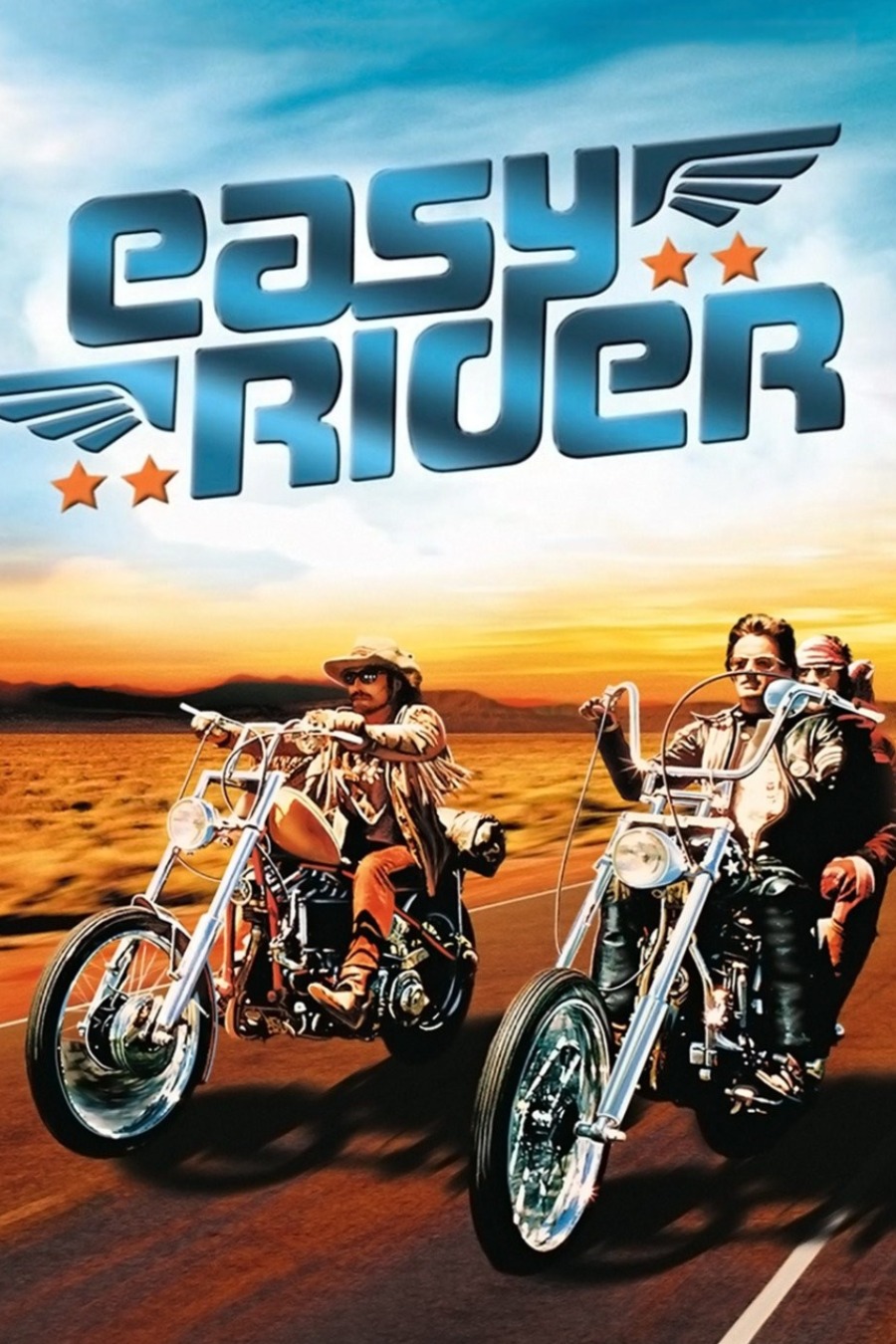
Kovács achieved major recognition as the cinematographer of Easy Rider, directed by Dennis Hopper.
The film’s groundbreaking visual style—natural lighting, long tracking shots, and immersive landscapes—captured the spirit of 1960s counterculture. Shot on a modest budget, Easy Rider became a cultural milestone and helped usher in the New Hollywood era. Kovács’ cinematography played a crucial role in its success, giving the film a documentary-like authenticity.
Collaborations and Major Works
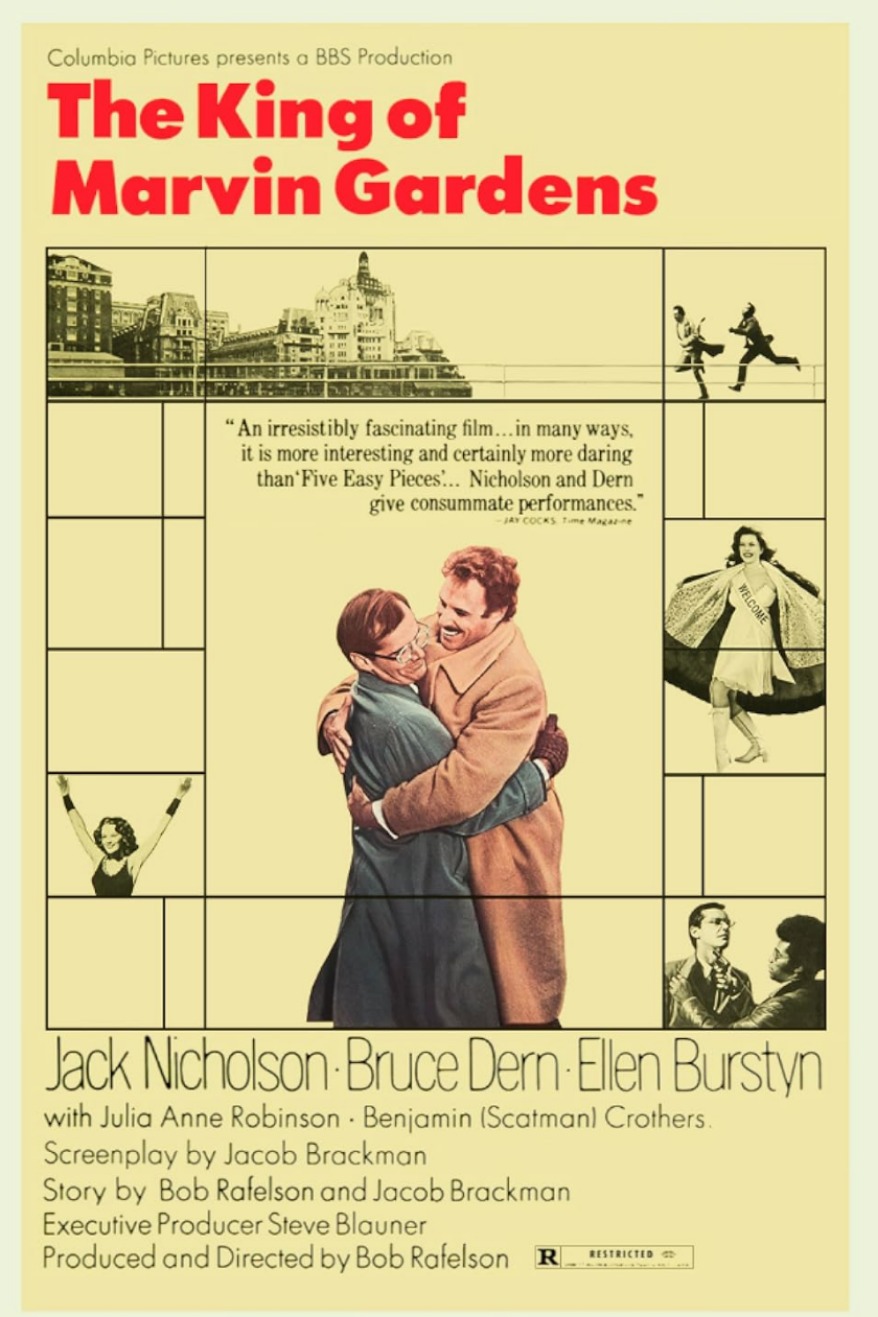
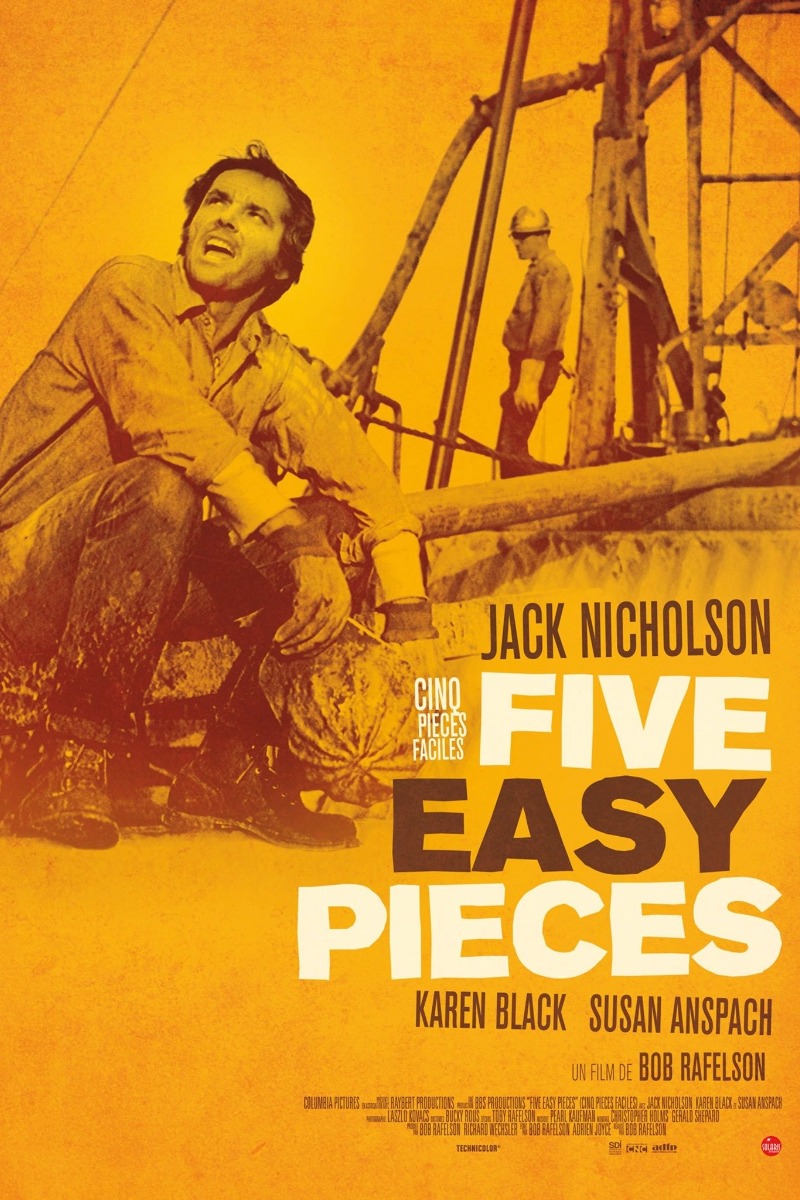
Following Easy Rider, Kovács became one of the most sought-after cinematographers of the 1970s. He collaborated frequently with director Bob Rafelson, including on:
Five Easy Pieces
The King of Marvin Gardens
These films showcased his ability to reflect characters’ emotional states through subtle lighting and composition.
Other notable works include:
Paper Moon – Directed by Peter Bogdanovich, the film’s black-and-white cinematography evoked the Great Depression era with warmth and intimacy.
Shampoo – A satirical drama starring Warren Beatty.
Ghostbusters – Directed by Ivan Reitman, demonstrating Kovács’ versatility in blending comedy with atmospheric visual effects.
Throughout his career, Kovács worked across genres, from intimate dramas to broad comedies and large-scale productions.
Awards and Recognition
László Kovács received numerous honors during his career. He was nominated for an Academy Award for his work on Easy Rider and earned recognition from professional cinematography societies. In 2002, he received a Lifetime Achievement Award from the American Society of Cinematographers, acknowledging his lasting impact on the craft.
Personal Life and Death
Kovács became a U.S. citizen and built a long and successful career in Hollywood. Despite his professional achievements, he often reflected on his early experiences during the Hungarian Revolution as formative moments in both his life and artistic outlook.
He passed away on July 22, 2007, at the age of 74 in Beverly Hills, California.