Personal info
Known for
Actor
Gender
Male
Birthday
02 December
Location
New York, United States
Edit pageLeo Gordon
Biography
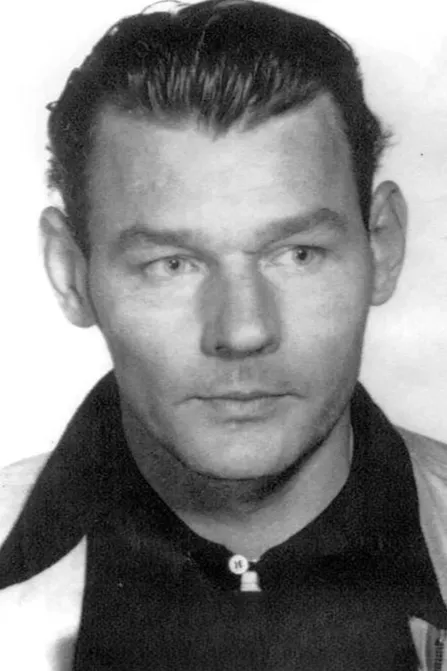
Leo Gordon was born on December 2, 1922, in Brooklyn, New York, USA. Raised during the hardships of the Great Depression, Gordon experienced a turbulent youth that included time spent in reform school. Despite these challenges, he later served in the United States Army during World War II, an experience that deeply shaped his outlook on life and later influenced his work in film.
Entry into Acting
After the war, Gordon pursued acting and studied at the American Academy of Dramatic Arts in New York. His imposing physical presence—standing over 6 feet tall with a rugged build—naturally led him to roles as villains, outlaws, and tough guys. By the early 1950s, he had begun appearing in Hollywood films and quickly became a recognizable character actor.
Film Career
Leo Gordon appeared in numerous Westerns and action films throughout the 1950s and 1960s. He often played antagonists, bringing intensity and realism to his roles. Some of his notable film appearances include The Steel Helmet (1951), directed by Samuel Fuller, and Riot in Cell Block 11 (1954), which showcased his strong screen presence.
He also worked alongside major stars such as John Wayne in Hondo (1953), further cementing his reputation as a reliable supporting actor in Westerns and war films.
Work as a Screenwriter
In addition to acting, Gordon was a talented screenwriter. He wrote several films and television scripts, often drawing from his own life experiences. One of his best-known writing credits is The Cry Baby Killer (1958), notable for featuring an early role for Jack Nicholson.
Gordon also contributed scripts to popular television Westerns such as Bonanza and Cheyenne, demonstrating his versatility and deep understanding of the genre.
Television Appearances
During the golden age of television, Gordon became a familiar face on the small screen. He appeared in numerous series, particularly Westerns, which were highly popular at the time. His commanding presence made him a natural fit for roles that required authority, menace, or rugged strength.
Later Years and Legacy
Gordon continued to work steadily in film and television into the 1970s. He passed away on December 26, 2000, in Los Angeles, California.
Though rarely a leading man, Leo Gordon left a significant mark on Hollywood as one of its most dependable character actors. His dual contributions as both an actor and writer ensured a lasting legacy, particularly in the Western and action genres.