Personal info
Known for
Music Director
Gender
Male
Birthday
25 August
Location
Massachusetts, United States
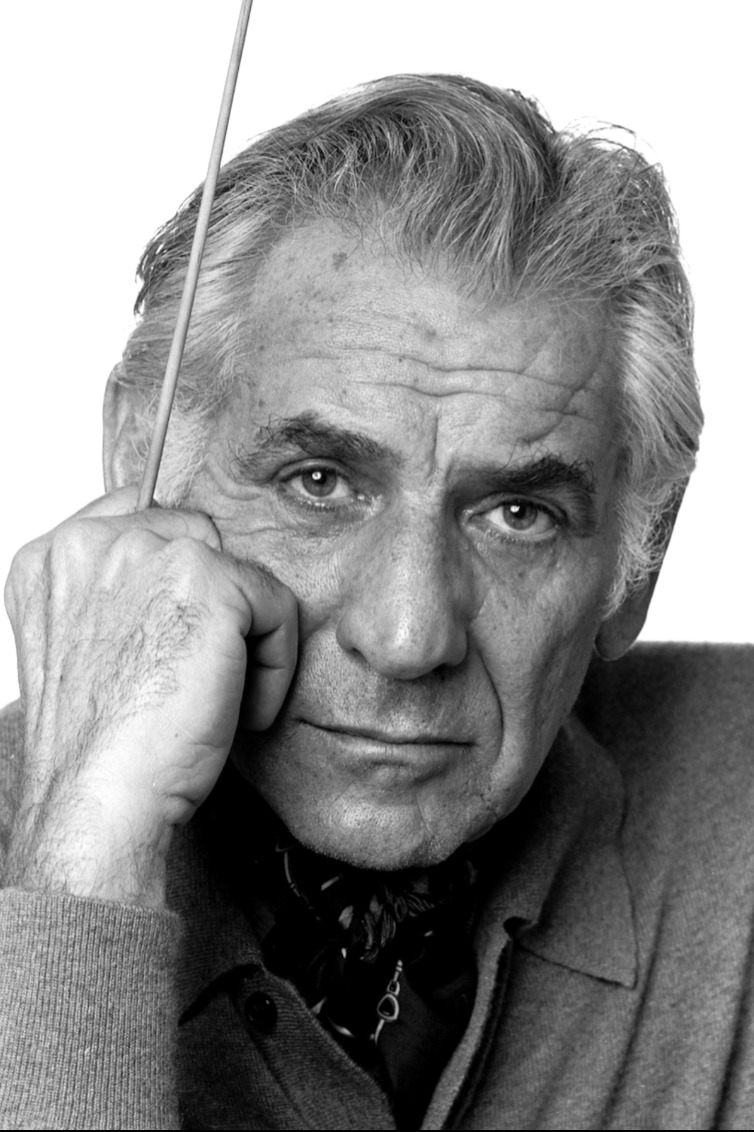
Edit pageLeonard Bernstein
Biography
Leonard Bernstein was an American composer, conductor, pianist, educator, and music commentator whose career had an enormous influence on classical music and American musical theatre. He became internationally famous for his energetic conducting style and his ability to make classical music accessible to broad audiences.
Early Life
Leonard Bernstein was born on August 25, 1918, in Lawrence, Massachusetts, United States. He grew up in a Jewish family and developed an interest in music at an early age.
Bernstein began studying piano as a child and quickly demonstrated exceptional musical ability. He attended Boston Latin School before entering Harvard University, where he studied music and graduated in 1939.
He later attended the Curtis Institute of Music in Philadelphia, where he studied conducting, orchestration, and piano.
Rise as a Conductor
Bernstein's breakthrough as a conductor came in 1943, when he unexpectedly substituted for Bruno Walter in a concert by the New York Philharmonic. His performance attracted national attention and established him as a rising star in American classical music.
During the following years, he conducted major orchestras in the United States and Europe and developed a reputation for his energetic performances and deep understanding of orchestral music.
New York Philharmonic
In 1958, Bernstein became the first American-born conductor to serve as music director of the New York Philharmonic.
He held the position until 1969 and became one of the orchestra's most influential leaders. During his tenure, he conducted numerous concerts and recordings and introduced classical music to a much wider audience.
His televised Young People's Concerts became particularly popular and helped generations of viewers understand classical music.
West Side Story
Bernstein's greatest popular success came through musical theatre.
He composed the music for West Side Story, which premiered on Broadway in 1957. The musical was created with Stephen Sondheim as lyricist, Arthur Laurents as book writer, and Jerome Robbins as director and choreographer.
Inspired by Shakespeare's Romeo and Juliet, the story follows two young lovers caught between rival street gangs in New York City.
Bernstein's score combined classical composition with jazz, Latin rhythms, and contemporary American musical styles. Songs such as "Maria," "Tonight," "America," and "Somewhere" became enduring standards.
The 1961 film adaptation further increased the musical's worldwide popularity.
Film Music
Bernstein also composed music for several films.
His film credits included:
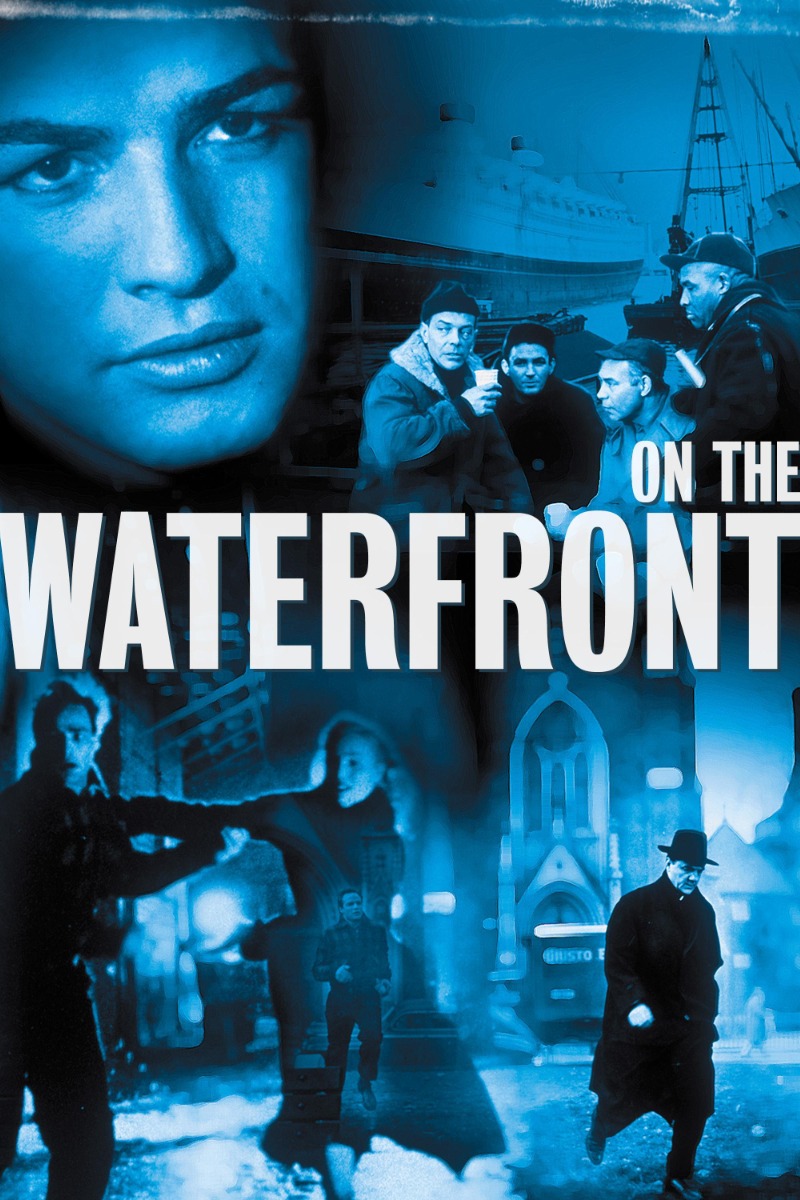
- On the Waterfront (1954)
- The Magnificent Seven? — no, this was composed by Elmer Bernstein, not Leonard Bernstein.
- West Side Story (1961)
- The Cardinal (1963)
- On the Town (1949)
His score for ** On the Waterfront (1954)**, directed by Elia Kazan and starring Marlon Brando, was particularly important. It was Bernstein's only original film score for a feature film.
The score received an Academy Award nomination and demonstrated his ability to combine orchestral music with the emotional intensity of modern drama.
Classical Composition
Although Bernstein became widely known through West Side Story, he regarded himself primarily as a serious composer and conductor.
His classical works included:
- Symphony No. 1: Jeremiah
- Symphony No. 2: The Age of Anxiety
- Symphony No. 3: Kaddish
- Fancy Free
- Serenade after Plato's Symposium
- Chichester Psalms
- Candide
His compositions often combined traditional classical forms with jazz, Jewish musical traditions, and contemporary American influences.
Candide
Bernstein composed the music for ** Candide**, based on Voltaire's satirical novella.
The musical premiered on Broadway in 1956 and was later revised several times. Its overture became one of Bernstein's most frequently performed orchestral works.
Educator and Television Personality
Bernstein was also a passionate music educator. His Young People's Concerts with the New York Philharmonic became a landmark television series.
Through these programs, he explained classical music in an enthusiastic and accessible manner. He demonstrated musical ideas at the piano and introduced audiences to composers ranging from Beethoven and Mozart to modern composers.
His television work helped make him one of the most recognizable classical musicians in America.
International Conducting Career
Bernstein conducted many of the world's leading orchestras and opera companies. He was particularly associated with the music of Gustav Mahler, whose works he helped bring to a wider modern audience.
He made numerous recordings of Mahler's symphonies and other major works, and his interpretations remain highly regarded.
Bernstein also conducted at major European opera houses and festivals, including performances at La Scala in Milan.
Awards and Honors
Bernstein received numerous awards and honors throughout his career, including:
- 11 Grammy Awards
- 2 Tony Awards
- Emmy Awards
- Kennedy Center Honors
- Lifetime Achievement Award from the National Academy of Recording Arts and Sciences
- Numerous honorary degrees and international cultural honors
He was also nominated for multiple Academy Awards for his work in film music.
Personal Life
Bernstein married Felicia Montealegre, a Chilean-born actress, in 1951. They had three children.
Bernstein's personal life and relationships later became the subject of considerable public and biographical discussion. Despite personal difficulties, he maintained a highly successful professional career.
Death
Leonard Bernstein died on October 14, 1990, in New York City, at the age of 72. He died from complications related to lung cancer.
His death marked the end of one of the most extraordinary musical careers of the 20th century.