Maria Michi
Biography
Maria Michi was an Italian supporting actress whose career is closely associated with the early period of Italian neorealism. Although her film career was interrupted for many years, her performances in Rome, Open City and Paisan established her as an important figure in postwar Italian cinema.
Early Life
Maria Michi was born on May 14, 1921, in Rome, Italy. Before entering entertainment, she worked as a typist in a law office. She later became an usherette at Rome's Teatro Quattro Fontane, where she came into contact with the theatre world.
During the 1942–1943 theatrical season, she received small acting opportunities with the companies of Sergio Tofano and Diana Torrieri. She subsequently performed alongside Anna Magnani and Totò in the revue Con un palmo di naso.
Entry into Cinema
Michi's connection with screenwriter Sergio Amidei proved significant for her career. Amidei introduced her to director Roberto Rossellini, who cast her in Rome, Open City (Roma città aperta) in 1945.
She played Marina Mari, a complicated and tragic character caught up in the events of wartime Rome. The film became one of the foundational works of Italian neorealism and brought Michi considerable attention.
Paisan
Michi reunited with Rossellini for Paisan (1946), another landmark of Italian neorealism.
She appeared in the film's Rome episode as Francesca, a young woman whose circumstances have changed dramatically during the wartime occupation. Her performance reinforced the impression created by Rome, Open City and established her as a promising dramatic actress. She was subsequently recognized at the Locarno Film Festival for her performance.
Career Challenges
Despite the strong beginning to her film career, Michi did not receive a sustained run of major roles. Following her early successes, many of the roles offered to her were less significant.
She appeared in films including Fatalità (1947), Preludio d'amore (1947), L'altra (1947), and The Charterhouse of Parma (1948).
In 1949, she married Prince Augusto Torlonia. Her marriage was later annulled, and during this period she largely withdrew from cinema and returned to theatre.
Return to Film
Michi returned to the screen in the 1960s and worked primarily as a mature supporting actress. Her later career included collaborations with several notable European filmmakers.
Her later film credits included:
- Legge di guerra (1961)
- The Lady of Monza (1969)
- The Breach (1970)
- Mont-Dragon (1970)
- The Short and Happy Life of the Brothers Blue (1971)
- Last Tango in Paris (1972)
- Irene, Irene (1975)
- Salon Kitty (1976)
Last Tango in Paris
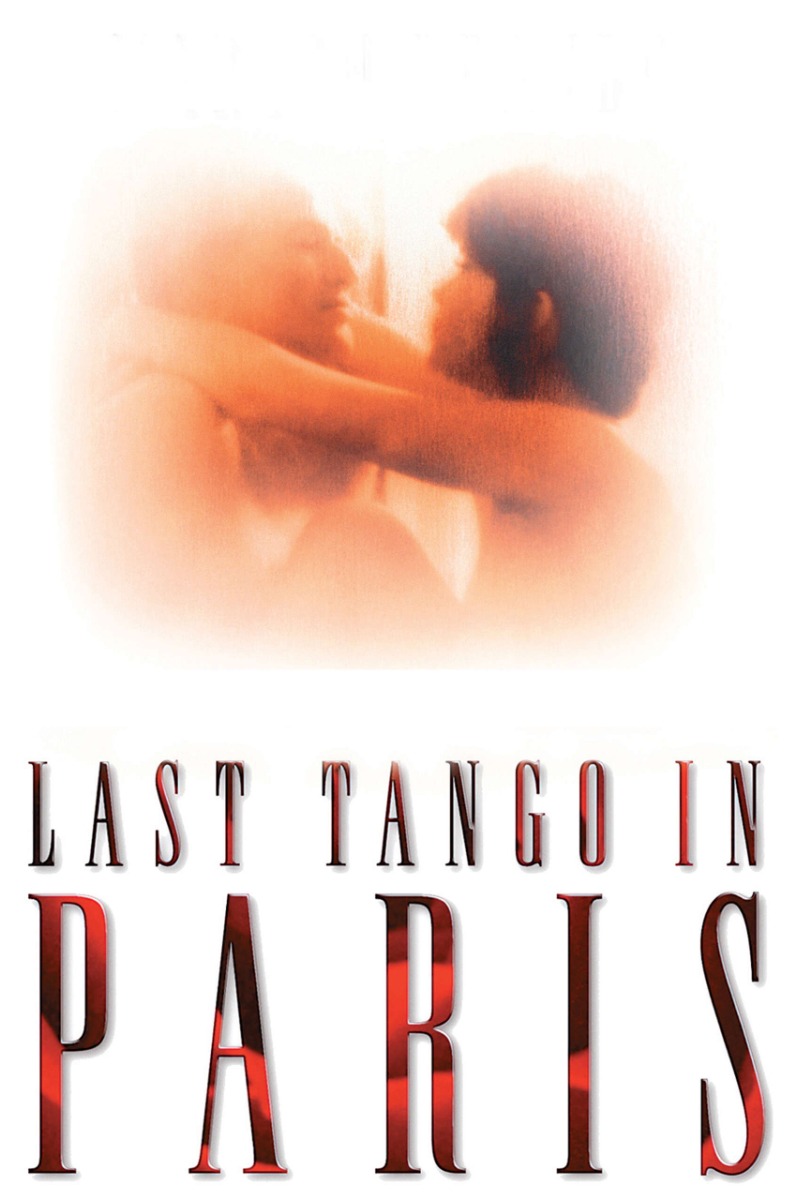
One of Michi's notable later appearances was in Bernardo Bertolucci's Last Tango in Paris (1972), starring Marlon Brando and Maria Schneider.
Michi played Rosa's mother, marking an interesting connection between her early neorealist work and the cinema of a younger generation of Italian filmmakers.
Final Film
Michi's final screen appearance was in Tinto Brass's Salon Kitty (1976), in which she played Hilde. She had by then established herself primarily as a character actress rather than the leading performer she had appeared destined to become after her early Rossellini films.
She also worked in radio and television during the later part of her career.
Personal Life
Michi's relationship with screenwriter Sergio Amidei was important to her early professional life and helped lead to her introduction to Rossellini. She later married Prince Augusto Torlonia in 1949; the marriage was annulled in 1956.
Death
Maria Michi died on April 7, 1980, in Grottaferrata, near Rome, at the age of 58. She had retired from acting several years earlier.