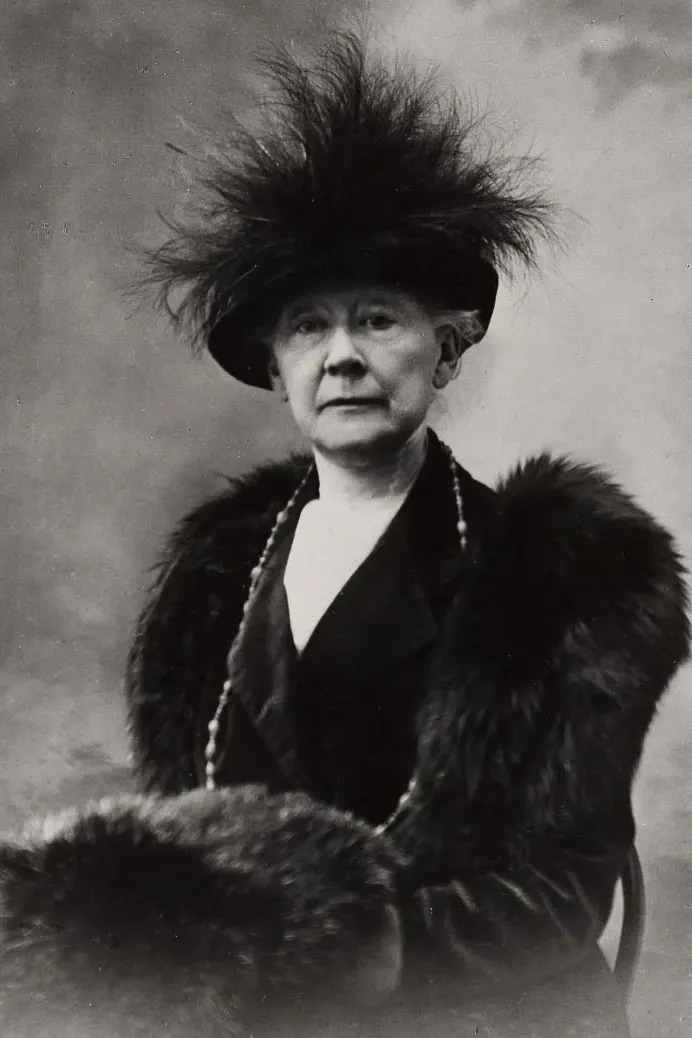
Personal info
Known for
Ultimate Talent
Gender
Female
Birthday
22 May
Location
Pennsylvania, United States
Edit pageMary Cassatt
Biography
Mary Cassatt was a pioneering American painter and printmaker whose work played a vital role in the development of Impressionism. Best known for her intimate depictions of women and children, Cassatt brought a distinctly female perspective to modern art and helped bridge American and European artistic traditions during the late 19th and early 20th centuries.
Early Life and Education
Mary Stevenson Cassatt was born on May 22, 1844, in Allegheny City, Pennsylvania. She grew up in a well-educated and financially secure family that valued travel and cultural exposure. As a child, Cassatt spent several years in Europe, where she was introduced to art museums and classical painting at an early age.
Determined to become an artist, Cassatt enrolled at the Pennsylvania Academy of the Fine Arts in Philadelphia. However, frustrated by the limitations placed on women students, she left formal schooling and moved to Europe to study independently. She copied works by old masters in museums and sought instruction from established painters, developing strong technical skills and artistic confidence.
Career and Association with Impressionism
Cassatt’s early professional career was shaped by her time in France. After years of rejection by the conservative Paris Salon, her work caught the attention of Edgar Degas, who invited her to exhibit with the Impressionists in 1877. This invitation marked a turning point in her career.
As one of the few American artists—and one of the few women—associated with the Impressionist movement, Cassatt embraced its focus on modern life, natural light, and loose brushwork. However, she maintained a distinctive style, emphasizing strong composition, clarity of form, and psychological intimacy rather than purely atmospheric effects.
She exhibited with the Impressionists multiple times and became an essential figure within the group, earning respect for her artistic rigor and originality.
Artistic Style and Themes
Mary Cassatt is best known for her portrayals of women in domestic and social settings. Her paintings often depict mothers and children, women reading, bathing, or engaging in quiet moments of reflection. Unlike sentimental portrayals common at the time, Cassatt’s works emphasize intelligence, independence, and emotional depth.
Her style evolved, incorporating influences from Japanese woodblock prints, particularly in her bold lines, flattened space, and unconventional compositions. Cassatt also worked extensively in printmaking, producing innovative color etchings that expanded the expressive possibilities of the medium.
Though her subject matter was often private and intimate, her work addressed broader themes of women’s roles, autonomy, and modern identity.
Career as an Advisor and Advocate
In addition to her work as an artist, Cassatt played a crucial role in advising American collectors on European art. She helped introduce Impressionist and modern works to the United States, influencing the formation of major museum collections.
Cassatt was also a strong advocate for women’s rights. She supported the women’s suffrage movement and used her art and influence to challenge traditional expectations placed on women, both socially and professionally.
Later Life and Challenges
In her later years, Cassatt faced declining health, including vision problems that eventually forced her to stop painting. Despite these challenges, she remained intellectually engaged with the art world and continued to influence collectors and institutions.
Mary Cassatt died on June 14, 1926, at her home in Le Mesnil-Théribus, France. She never married and lived much of her life independently, devoted to her work and artistic ideals.