Massimo Girotti
Biography
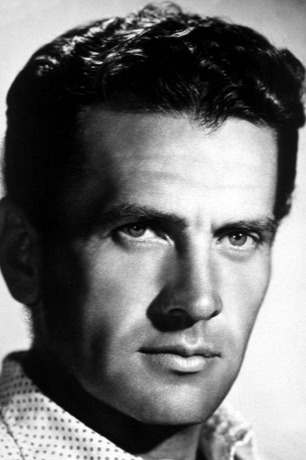
Massimo Girotti was an acclaimed Italian actor known for his versatility, handsome screen presence, and performances in some of the most important films of Italian cinema. During a career spanning more than six decades, he successfully worked in commercial films as well as major works of European art cinema.
Early Life
Massimo Girotti was born on May 18, 1918, in Mogliano, Italy. Before entering the film industry, he studied engineering and law and was an accomplished athlete, particularly in swimming and polo. His athletic physique later helped him secure leading roles in films requiring a strong and commanding screen presence.
He also studied diction and developed an interest in acting, eventually choosing cinema as his profession.
Early Film Career
Girotti entered the film industry in 1939. One of his early important roles came in The Iron Crown (La corona di ferro, 1941), which established him as a promising young leading actor.
His breakthrough came with Luchino Visconti's Ossessione (1943). Girotti played Gino Costa, a drifter who becomes involved in a passionate and destructive relationship. The film is widely regarded as a foundational work of Italian neorealism and a landmark in Italian film history.
Italian Neorealism
After the Second World War, Girotti continued working in important Italian productions. He appeared in The Gates of Heaven (1945) directed by Vittorio De Sica and Desiderio (1946) by Roberto Rossellini.
His performance in In the Name of the Law (1949), directed by Pietro Germi, was particularly successful. Girotti played magistrate Guido Schiavi, earning the Nastro d'Argento for Best Actor.
Work with Major Directors
Girotti became one of the few actors capable of moving comfortably between mainstream entertainment and sophisticated auteur cinema.
He worked with several major European directors, including:
- Luchino Visconti — Ossessione, Senso, The Innocent
- Roberto Rossellini — Desiderio
- Michelangelo Antonioni — Chronicle of a Love
- Pier Paolo Pasolini — Theorem, Medea
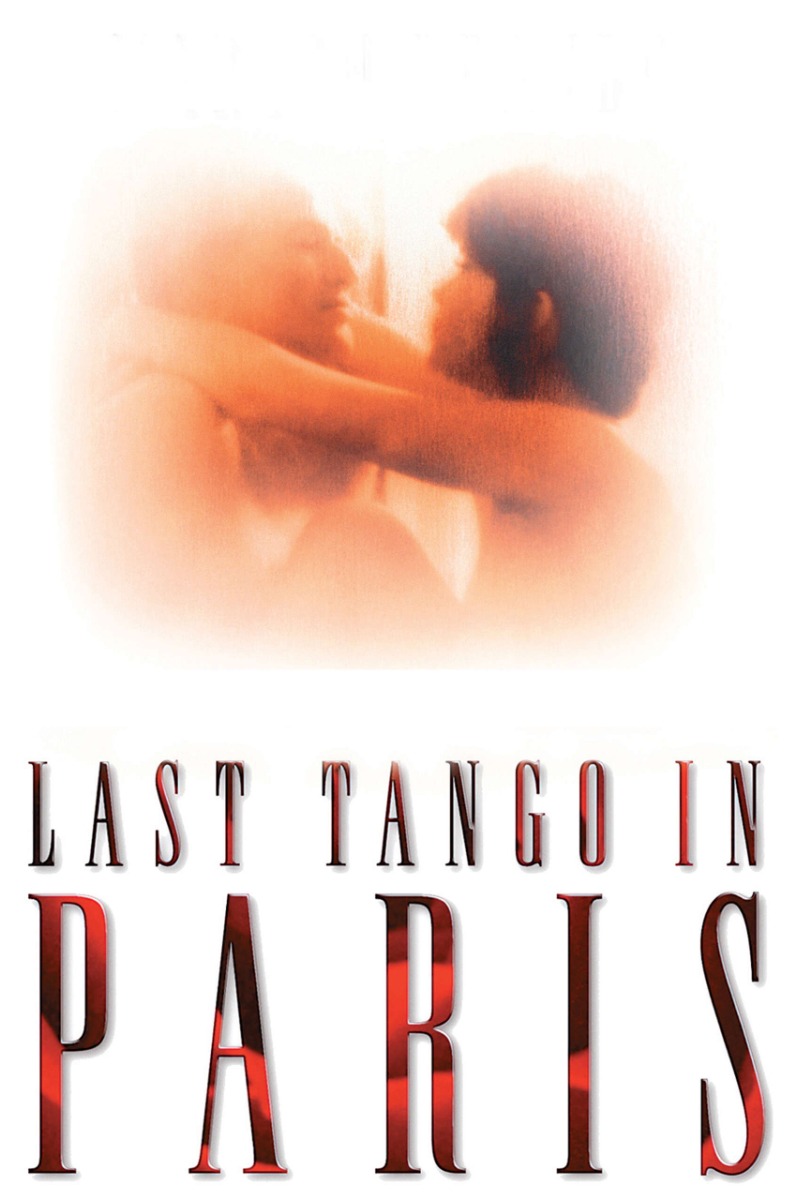
- Bernardo Bertolucci — Last Tango in Paris
- Liliana Cavani — The Berlin Affair
- Ferzan Özpetek — Facing Windows
His work with these filmmakers demonstrated his ability to adapt to very different cinematic styles.
Chronicle of a Love
In Michelangelo Antonioni's Chronicle of a Love Affair (1950), Girotti played Guido, a character involved in an intricate romantic and criminal mystery.
The film became an important early example of Antonioni's sophisticated psychological cinema and further established Girotti as a leading figure in Italian art films.
Teorema
Girotti later worked with Pier Paolo Pasolini in Teorema (1968). The film starred Terence Stamp, Silvana Mangano, Massimo Girotti, and other prominent Italian performers.
Pasolini's film explored sexuality, family relationships, social class, and spiritual transformation. Girotti's participation demonstrated his continued relevance to the new generation of Italian filmmakers.
Last Tango in Paris
One of Girotti's most internationally recognizable later roles came in Bernardo Bertolucci's Last Tango in Paris (1972).
He played Marcel, the secret lover of Rosa, the deceased wife of Marlon Brando's character, Paul. The film starred Marlon Brando and Maria Schneider and became one of the most controversial and internationally discussed films of the 1970s.
Girotti's role was relatively small but important to the story because Marcel's relationship with Rosa helps Paul understand aspects of his wife's life after her death.
Later Career
During the 1970s and 1980s, Girotti continued appearing in both Italian and international productions. His credits included The Innocent (1976), another collaboration with Visconti, Passion of Love (1981), and The Berlin Affair (1985).
He also worked in television and continued taking supporting roles in films throughout the later decades of his career.
Final Performance
Girotti's final major film appearance came in Ferzan Özpetek's Facing Windows (La finestra di fronte, 2003).
He portrayed Davide Veroli, an elderly survivor of the Nazi concentration camps whose memories gradually return. The performance was highly acclaimed and became a fitting conclusion to his long career.
Girotti died only shortly before the film's release. His performance subsequently earned him the David di Donatello Award for Best Actor, awarded posthumously.
Personal Life
Girotti was married to Marcella, and the couple had two children, Arabella and Alessio. He generally maintained a private personal life away from the publicity surrounding his film career.
Death
Massimo Girotti died in Rome on January 5, 2003, at the age of 84, reportedly from a heart attack.