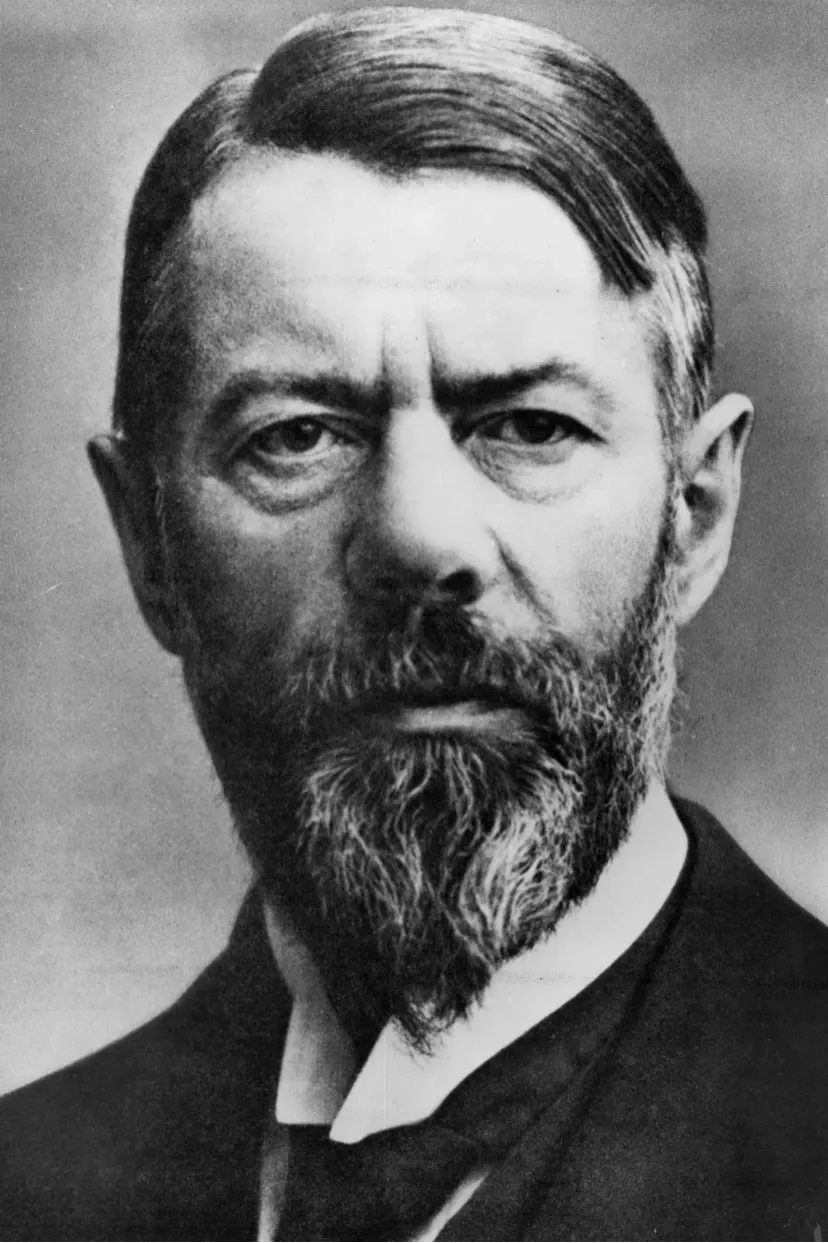
Personal info
Known for
Ultimate Talent
Gender
Male
Birthday
21 April
Location
Thuringia, Germany
Edit pageMax Weber
Biography
Max Weber was a Russian-born American painter, sculptor, poet and writer who became one of the pioneers of modern art in the United States. He was particularly known for introducing Cubism to American audiences and for his experimental paintings influenced by Fauvism, Futurism and European modernism.
Born on April 18, 1881, in Białystok, then part of the Russian Empire (now Poland), Weber immigrated to the United States with his family in 1891 and settled in Brooklyn, New York. He studied at the Pratt Institute, where he received artistic training under Arthur Wesley Dow. After graduating, he taught drawing and painting in Virginia and Minnesota.
In 1905, Weber travelled to Paris to continue his artistic education. There, he studied under Henri Matisse and became acquainted with influential modern artists, including Pablo Picasso and Henri Rousseau. He was also inspired by the paintings of Paul Cézanne and the emerging Cubist movement. Returning to New York in 1909, he became an important member of the city's avant-garde art community and exhibited his work at Alfred Stieglitz's 291 Gallery.
Notable Works
Some of his best-known paintings include The Geranium (1911), The Chinese Restaurant (1915), Grand Central Terminal (1915), Brooklyn Bridge (1917), Figure in Rotation (1915) and Students of the Torah (1940).
Writing and Recognition
Alongside painting, Weber explored sculpture, printmaking and poetry. His publications include Cubist Poems (1914), Essays on Art (1916) and Primitives (1926). In 1930, he became the first American modernist artist to receive a retrospective exhibition at the Museum of Modern Art in New York. He was also elected to the National Institute of Arts and Letters in 1955.
Death and Legacy
Max Weber died on October 4, 1961, in Great Neck, New York, at the age of 80. He is remembered as an influential pioneer of American modernism whose innovative paintings helped introduce Cubism and other European avant-garde movements to the United States.