Personal info
Known for
Music Director
Gender
Male
Birthday
18 April
Location
Budapest, Hungary
Edit pageMiklós Rózsa
Biography
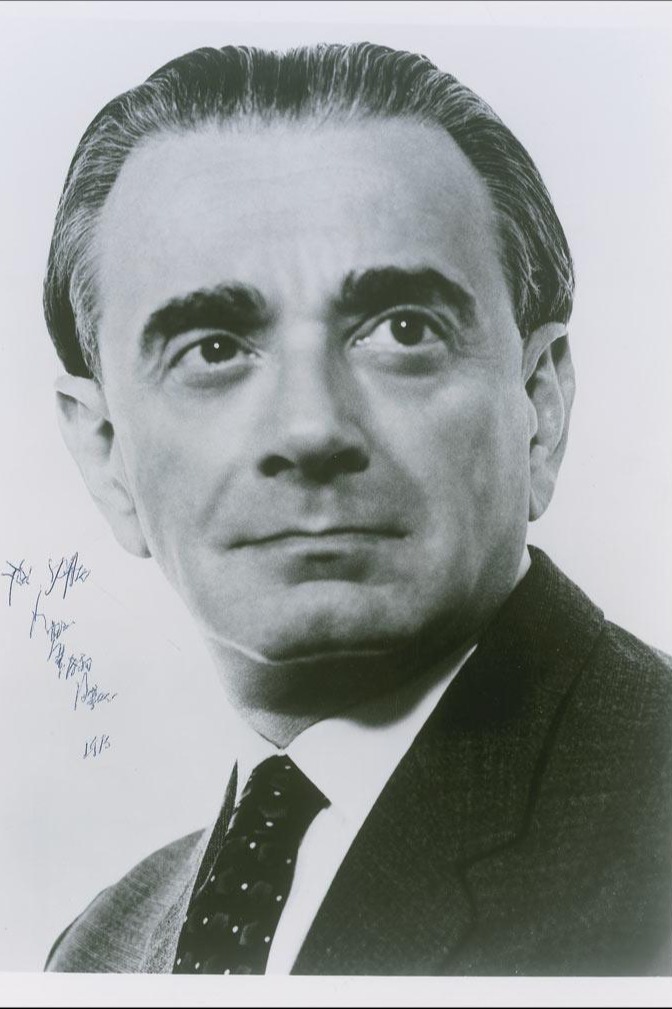
Miklós Rózsa (April 18, 1907 – July 27, 1995) was a Hungarian-American composer best known for his influential work in film music. One of the most respected composers of Hollywood's Golden Age, he created scores for historical epics, film noirs, dramas, and thrillers. His music combined classical European traditions with innovative orchestration and helped establish the modern sound of cinematic scoring.
Early Life
Miklós Rózsa was born on April 18, 1907, in Budapest, Hungary. He developed an interest in music at an early age and studied violin before pursuing formal musical education.
He attended the Leipzig Conservatory in Germany, where he studied composition and conducting. His early compositions reflected the influence of European classical music as well as the folk traditions of Hungary.
Early Musical Career
After completing his studies, Rózsa began establishing himself as a composer in Europe. He wrote orchestral and chamber works and became increasingly interested in composing music for theatre and film.
His move into film scoring eventually brought him to Britain, where he worked on several productions. His score for The Four Feathers (1939) helped draw attention to his abilities as a film composer.
Hollywood Career
Rózsa moved to Hollywood in the early 1940s and quickly became one of the industry's leading composers. He worked with major studios and directors, creating music for a wide variety of films.
His distinctive style was particularly effective in film noir, psychological dramas, and historical epics. He frequently used powerful orchestration, dramatic themes, and unusual musical techniques to reflect the psychological states of characters.
Among his important scores were:
- Double Indemnity (1944)
- The Lost Weekend (1945)
- Spellbound (1945)
- The Killers (1946)
- The Naked City (1948)
- Quo Vadis (1951)
- Ivanhoe (1952)
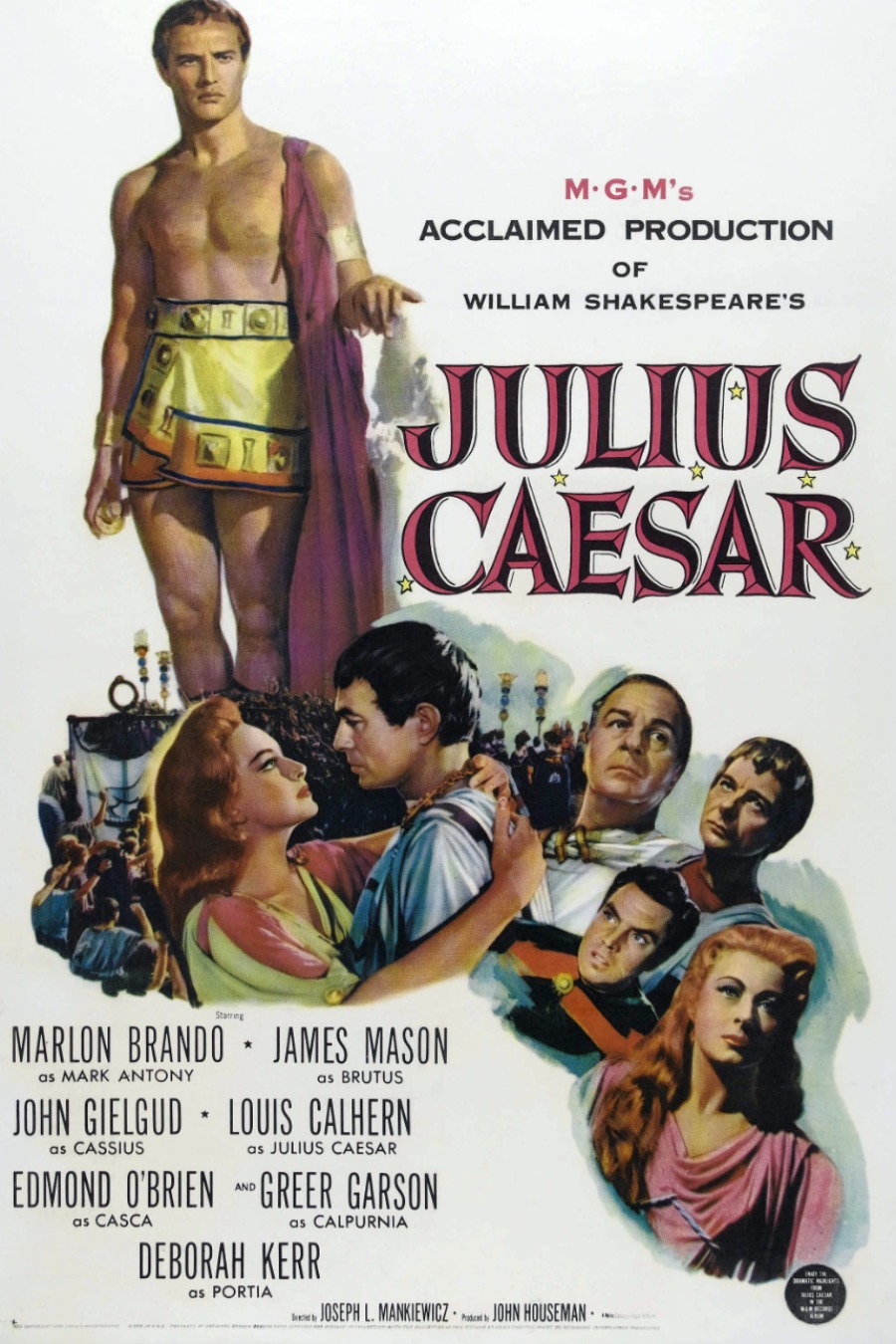
- Julius Caesar (1953)
- Ben-Hur (1959)
- El Cid (1961)
- King of Kings (1961)
- The V.I.P.s (1963)
- The Private Life of Sherlock Holmes (1970)
Academy Award Success
Rózsa won three Academy Awards during his career.
His first Oscar came for The House of Doctor Edwardes (Spellbound) in 1945, directed by Alfred Hitchcock. His haunting score famously incorporated the theremin to heighten the film's psychological atmosphere.
He won his second Academy Award for A Double Life (1947), and his third for Ben-Hur (1959).
Ben-Hur
One of Rózsa's greatest achievements was his score for Ben-Hur. The epic music became one of the defining film scores of Hollywood's Golden Age.
The score combined large-scale orchestral writing with recurring themes associated with the characters and religious aspects of the story. Its dramatic intensity and rich musical structure helped elevate the film's epic scale.
Rózsa's work on Ben-Hur earned him his third Academy Award and remains one of the most celebrated achievements in film scoring.
Film Noir and Psychological Scoring
Rózsa was also a major contributor to the development of film noir music. His scores for films such as Double Indemnity, The Killers, and The Naked City demonstrated his ability to create tension and psychological unease through orchestration.
His score for Spellbound was particularly innovative. Rózsa used unusual sounds and musical effects to represent the troubled psychological condition of the protagonist, helping establish music as an important storytelling device in psychological cinema.
Work Beyond Film
Although Rózsa became famous for his film scores, he continued composing concert music throughout his life. His output included symphonies, concertos, chamber works, and other classical compositions.
He regarded his concert compositions as an important part of his artistic identity and continued to write serious music alongside his Hollywood work.
Teaching Career
Rózsa also became involved in music education. He taught composition at the University of Southern California, where he influenced younger generations of composers.
His teaching and professional work helped strengthen the connection between traditional classical composition and film music.
Personal Life
Rózsa married Margaret McIntosh in 1946, and they remained together for the rest of his life. They had two children.
Despite his long career in Hollywood, Rózsa maintained a strong connection to classical music and continued composing concert works throughout his later years.
Death
Miklós Rózsa died on July 27, 1995, in Los Angeles, California, at the age of 88.