Personal info
Known for
Music Director
Gender
Male
Birthday
18 February
Location
Punjab, India
Edit pageMohammed Zahur Khayyam
Biography
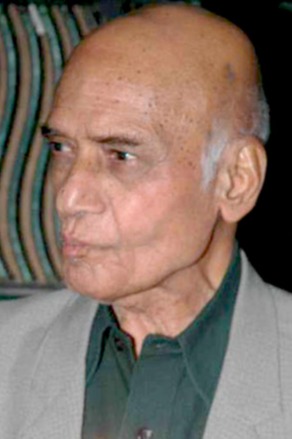
Khayyam, born Mohammed Zahur Khayyam Hashmi, was one of the most distinguished music composers in Hindi cinema. Known for his refined melodies, poetic compositions and elegant use of Indian classical music, he created music for films such as Kabhi Kabhie, Umrao Jaan, Noorie, Trishul, Bazaar, Razia Sultan and Shola Aur Shabnam. His career stretched across several decades, although he was known for being selective about the projects he accepted.
Early Life
Khayyam was born on 18 February 1927 in Rahon, Punjab, then part of British India. From an early age, he was fascinated by music and cinema. He eventually went to Delhi, where he began receiving musical training. Among his early teachers was the classical vocalist and composer Pandit Amarnath. He also received training from other musicians, including Husnlal-Bhagatram and later musicians associated with the Kirana tradition.
As a young man, Khayyam travelled to Lahore in search of opportunities in cinema. There he met the Punjabi composer Baba Chishti, who was impressed by his musical ability and took him on as an assistant. Khayyam also spent a period in the Army during the Second World War before eventually moving to Bombay to pursue a career in the film industry.
Beginning of His Film Career
Khayyam initially worked under the name Sharmaji, as part of the composing duo Sharmaji-Varmaji, alongside Rahman Verma. Their early work included Heer Ranjha in 1948. After the Partition, Rahman Verma moved to Pakistan, and Khayyam eventually established himself as an independent composer.
His early breakthrough came with Footpath (1953). The song Shaam-e-Gham Ki Kasam, sung by Talat Mahmood, became particularly popular and helped establish Khayyam as a composer with a distinctive musical identity.
Rise to Recognition
Khayyam's reputation grew further with films such as Phir Subah Hogi (1958), which featured lyrics by Sahir Ludhianvi. Their collaboration demonstrated Khayyam's ability to create compositions in which poetry remained central rather than simply serving as an accompaniment to the melody.
He developed a reputation for working closely with prominent poets and lyricists. His compositions often emphasized lyrical depth, ghazal-inspired melodies and relatively restrained orchestration. The Sangeet Natak Akademi has described his music as poetic and soulful, noting his use of Indian instruments and his contribution to devotional and other forms of song in popular cinema.
Kabhi Kabhie and a Major Comeback
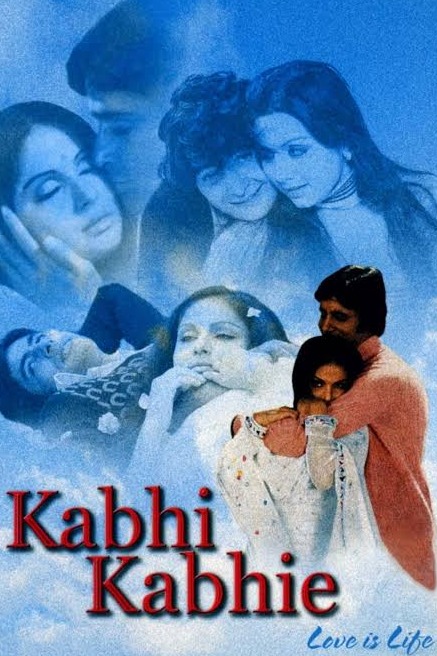
One of the defining moments of Khayyam's career came with Yash Chopra's Kabhi Kabhie (1976). The film's romantic and poetic atmosphere suited his musical style perfectly.
Songs such as Kabhi Kabhi Mere Dil Mein, Main Pal Do Pal Ka Shair Hoon and Mere Ghar Aayi Ek Nanhi Pari became enduring favorites. The success of the soundtrack brought Khayyam renewed prominence and earned him the Filmfare Award for Best Music Director in 1977.
Umrao Jaan and His Greatest Recognition
Khayyam reached another career peak with Muzaffar Ali's Umrao Jaan (1981). Set against the cultural world of 19th-century Lucknow, the film demanded music with a strong classical and Urdu poetic character.
Khayyam's compositions, combined with the lyrics of Shahryar and the singing of Asha Bhosle, produced songs such as In Aankhon Ki Masti, Dil Cheez Kya Hai and Ye Kya Jagah Hai Doston. The soundtrack became one of the most celebrated achievements of his career.
For Umrao Jaan, Khayyam received the National Film Award for Best Music Direction as well as the Filmfare Award for Best Music Director.