Park Se-seung
Biography
Park Se-seung is a South Korean cinematographer and director of photography known for his work in Korean films and television productions. He is recognised for his cinematography in The Gangster, the Cop, the Devil (2019), High Society (2018), and the Netflix zombie series All of Us Are Dead (2022). His work focuses on visual storytelling, camera composition, lighting, and creating distinctive visual atmospheres for films and television.
Park began his career in the South Korean film industry working in the camera department, gaining experience as a camera operator and assistant cinematographer. His early credits include Project 577 (2012), The Face Reader (2013), The Fatal Encounter (2014), Scarlet Innocence (2014), and The Priests (2015). These projects helped him develop his technical knowledge and establish his career in cinematography.
He continued working on major Korean film productions, serving as a camera operator on A Taxi Driver (2017), Fabricated City (2017), and The Drug King (2018). In 2018, he worked as the director of photography for High Society, a South Korean drama film directed by Byun Hyuk. The project further demonstrated his experience in feature-film cinematography.
One of his notable projects came in 2019 with The Gangster, the Cop, the Devil, an action crime thriller directed by Lee Won-tae and starring Ma Dong-seok, Kim Mu-yeol, and Kim Sung-kyu. Park served as the film's cinematographer, helping create the visual style of its intense crime scenes and action sequences. The film was also screened at the 2019 Cannes Film Festival.
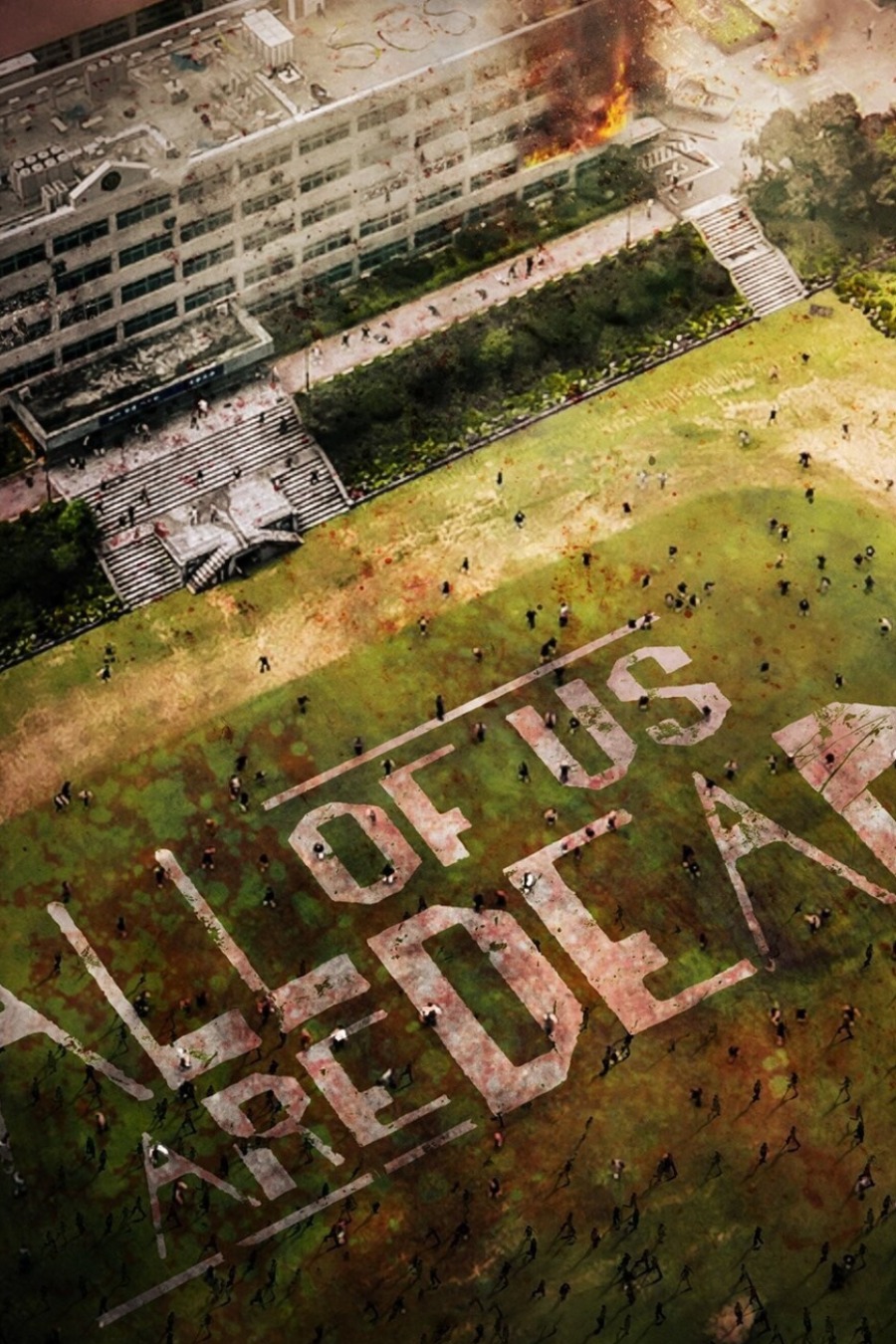
His subsequent cinematography credits include Hitman: Agent Jun (2020) and Samjin Company English Class (2020). In 2022, he worked as director of photography on the Netflix series All of Us Are Dead, which follows students struggling to survive a zombie outbreak at their high school. The series received international attention and introduced his cinematographic work to a wider global audience.
Park later worked on the Netflix crime thriller A Killer Paradox (2024), continuing his involvement in television productions. His more recent credits include Rectangle, Triangle (2026), further expanding his work across screen productions.