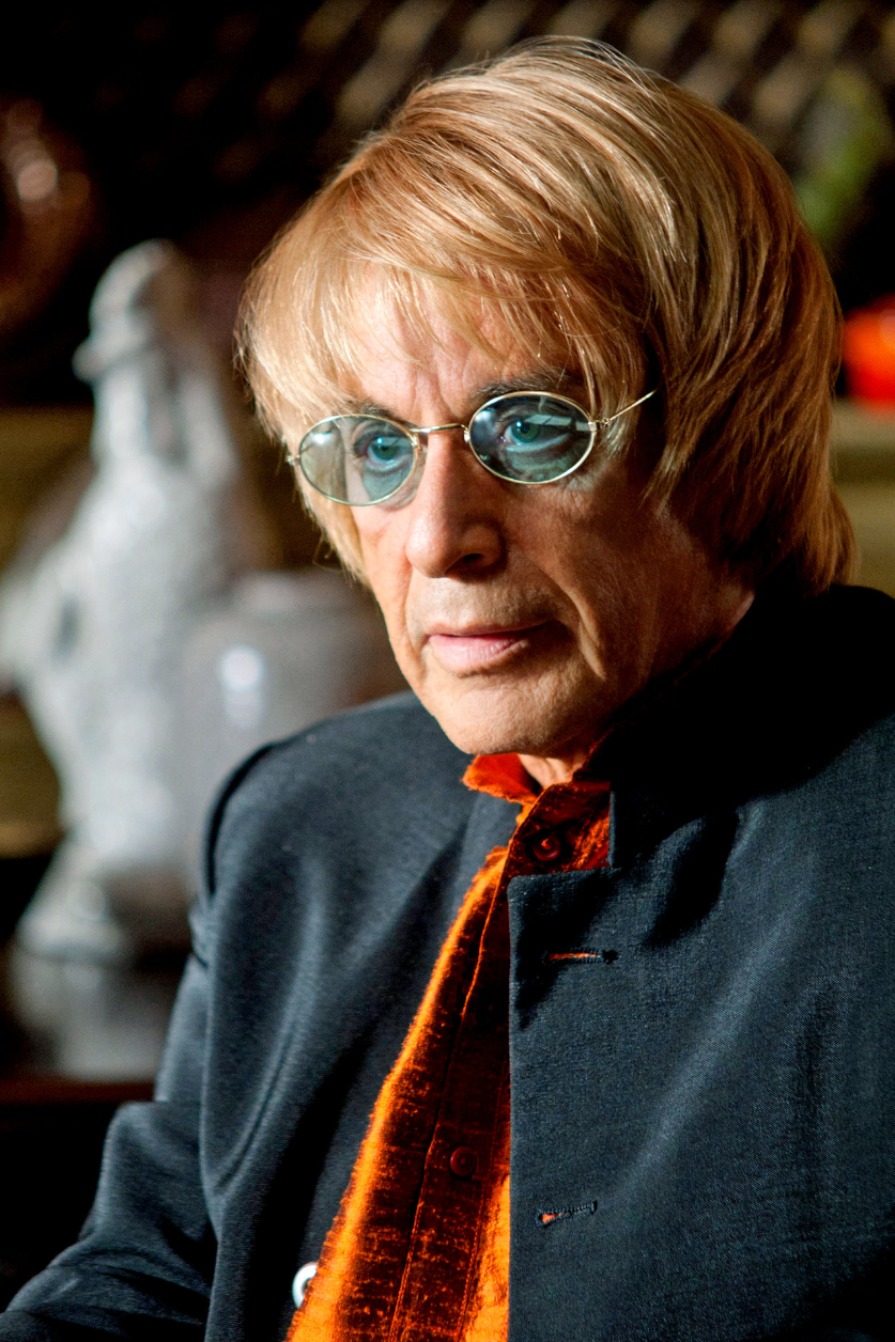
Personal info
Known for
Actor
Gender
Male
Birthday
26 December
Location
New York, United States
Edit pagePhil Spector
Biography
Phil Spector was an American record producer, songwriter, and musician who revolutionized popular music production in the 1960s with his signature “Wall of Sound” technique. Celebrated for shaping some of the most iconic pop recordings of his era, his legacy remains complex due to his later criminal conviction and imprisonment.
Early Life and Musical Beginnings
Phil Spector was born Harvey Phillip Spector on December 26, 1939, in the Bronx, New York City. After his father’s death, his family moved to Los Angeles, where Spector attended high school and developed a passion for music.
As a teenager, he formed the group The Teddy Bears, which scored a No. 1 hit in 1958 with “To Know Him Is to Love Him.” The success of that single introduced Spector to the recording industry and sparked his ambition to become a producer.
Rise to Fame and the “Wall of Sound”
In the early 1960s, Spector established himself as a producer and founded Philles Records. There, he developed his groundbreaking production style known as the “Wall of Sound.”
This technique involved layering multiple instruments—guitars, pianos, strings, horns, percussion—recorded simultaneously in echo-filled studios to create a dense, orchestral sound. The result was rich, dramatic, and emotionally powerful pop music.
He produced a string of hits, including:
“Be My Baby” by The Ronettes
“You’ve Lost That Lovin’ Feelin’” by The Righteous Brothers
“Da Doo Ron Ron” by The Crystals
These recordings became defining sounds of 1960s pop and influenced generations of producers and musicians.
Work with The Beatles and Solo Artists
In 1970, Spector was brought in to salvage and produce Let It Be by The Beatles. His orchestral overdubs, particularly on “The Long and Winding Road,” were controversial—most notably with Paul McCartney, who later criticized the heavy production.
Spector also collaborated with former Beatles members on solo projects, including:
All Things Must Pass by George Harrison
Imagine by John Lennon
These albums showcased how his dramatic production style could complement rock music beyond girl-group pop.
Eccentricity and Decline
By the mid-1970s, Spector’s behavior had become increasingly erratic. Known for his reclusive lifestyle, unpredictable temperament, and reports of bringing firearms into recording sessions, he developed a reputation for volatility.
Although he made occasional returns to production—including work with Ramones on their 1980 album End of the Century—his output slowed considerably.
Criminal Conviction
In 2003, actress Lana Clarkson was found dead at Spector’s California mansion. He was charged with her murder. After a highly publicized trial and retrial, Spector was convicted of second-degree murder in 2009 and sentenced to 19 years to life in prison.
The conviction permanently altered public perception of him, overshadowing his musical accomplishments.
Death and Legacy
Phil Spector died on January 16, 2021, while serving his prison sentence. He was 81 years old.
Despite the gravity of his crimes, Spector’s influence on music production remains undeniable. The “Wall of Sound” technique reshaped how pop records were made, inspiring artists and producers across genres—from rock and soul to modern indie and alternative music.
His legacy is one of both groundbreaking artistic innovation and profound personal controversy—a reminder of how creative genius and personal misconduct can coexist in deeply troubling ways.