Personal info
Known for
Ultimate Talent
Gender
Male
Birthday
22 February
Location
Pennsylvania, United States
Edit pageRembrandt Peale
Biography
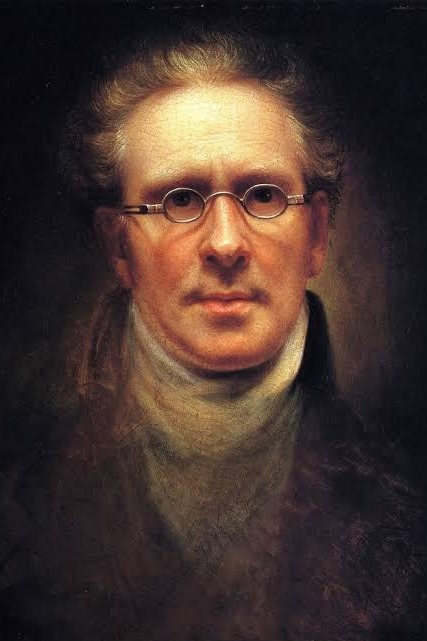
Rembrandt Peale (May 22, 1778 – October 3, 1860) was an American painter, museum founder, and writer best known for his portraits of important political and cultural figures, especially his famous images of George Washington. A member of the influential Peale family of artists, he became one of the most successful portrait painters in early 19th-century America and played an important role in the development of American art.
Early Life and Education
Rembrandt Peale was born on May 22, 1778, in Bucks County, Pennsylvania, United States. He was the son of renowned artist and museum founder Charles Willson Peale.
Growing up in an artistic household, Peale received early training from his father. He showed exceptional talent as a young artist and created his first self-portrait at the age of 13. He studied the works of European masters and learned portrait techniques from his father and other artists.
At age 17, Peale traveled to England, where he studied European art and met leading artists. His experiences abroad greatly influenced his artistic style.
Career
Rembrandt Peale began his professional career as a portrait painter and quickly gained recognition for his refined technique and ability to capture the character of his subjects.
One of his most famous works is Patriae Pater (1824), a portrait of George Washington created from earlier portraits and memories of Washington. The painting became one of the most widely recognized images of the first U.S. president.
Peale painted many prominent figures, including politicians, writers, scientists, and military leaders. His portraits were admired for their realism, dignity, and careful attention to detail.
In addition to painting, Peale followed his father's interest in museums. He founded the Baltimore Museum and Gallery of Fine Arts in 1814, one of the first important museums in the United States. The museum displayed paintings, scientific specimens, and historical objects.
Throughout his career, Peale traveled widely, exhibiting his works and promoting art education. He also wrote about painting techniques and artistic principles.
Artistic Style
Rembrandt Peale's work is characterized by:
- Neoclassical portraiture.
- Realistic and idealized figures.
- Careful attention to facial expression.
- Dramatic use of light and shadow.
- Influence of European academic painting.
- Historical and political subjects.
His portraits combined accuracy with a sense of dignity and importance.
Notable Works
Some of Rembrandt Peale’s most famous works include:
- Patriae Pater (1824) — portrait of George Washington
- Rubens Peale with a Geranium (1801)
- Thomas Jefferson (1800s)
- The Court of Death (1820)
- Portraits of prominent American leaders and intellectuals
His portrait of Washington remains one of his most enduring contributions to American visual history.
Awards and Recognition
Peale was widely respected during his lifetime and exhibited his works at major American and European institutions. His paintings are now held in collections including the National Gallery of Art, the Smithsonian American Art Museum, the Metropolitan Museum of Art, and the Philadelphia Museum of Art.
He was considered one of the leading American portrait painters of the early 19th century.
Personal Life
Rembrandt Peale married Rosalba Carriera Peale in 1820, and they had several children. Like his father, he encouraged artistic and scientific education.
He remained connected to the Peale family’s artistic tradition and continued promoting museums and cultural institutions throughout his life.
Death
Rembrandt Peale died on October 3, 1860, in Philadelphia, Pennsylvania, at the age of 82.