Personal info
Known for
Director
Gender
Male
Birthday
15 April
Location
New York, United States
Edit pageRichard Rush
Biography
Richard Rush was born on April 15, 1929, in New York City, United States. He developed an early interest in storytelling and filmmaking, which later shaped his unconventional and artistic approach to cinema. Rush studied at the University of California, Los Angeles (UCLA), where he was exposed to both technical filmmaking skills and creative experimentation that would define his later work.
Career Beginnings
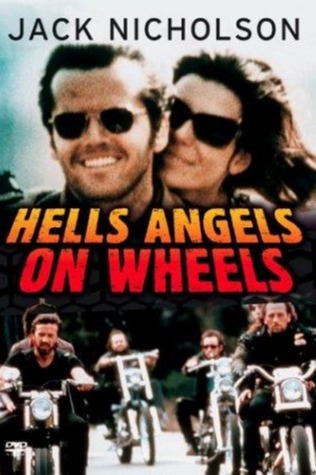
Rush began his career in the 1960s, a time when Hollywood was undergoing significant changes. He initially worked on low-budget films and exploitation cinema, which allowed him to develop a distinct style while learning the mechanics of directing. His early works included films like Too Soon to Love (1960) and Hells Angels on Wheels (1967), the latter gaining attention for its raw portrayal of biker culture.
Rise to Prominence
Richard Rush gained wider recognition in the 1970s with films that combined commercial appeal with artistic ambition. One of his most notable works is The Stunt Man (1980), a psychological drama that blurred the line between reality and illusion in filmmaking. The film starred Peter O'Toole and earned critical acclaim, including Academy Award nominations.
Rush became known for his innovative storytelling techniques, often exploring themes of identity, perception, and the nature of performance. His films frequently challenged traditional narrative structures, making him a distinctive voice in American cinema.
Notable Works
Some of Richard Rush’s most significant films include:
- Hells Angels on Wheels (1967)
- Getting Straight (1970), starring Elliott Gould
- The Stunt Man (1980)
- Color of Night (1994), featuring Bruce Willis
These films highlight his versatility, ranging from counterculture dramas to psychological thrillers.
Style and Influence
Rush’s directing style is often described as bold and experimental. He had a keen interest in the filmmaking process itself, frequently incorporating meta-cinematic elements into his work. His films often question what is real and what is illusion, reflecting a deeper philosophical inquiry into storytelling.
Although not as commercially prolific as some of his contemporaries, Rush earned respect within the industry for his originality and willingness to take risks. His work influenced later filmmakers who sought to push the boundaries of conventional cinema.
Later Life and Legacy
After Color of Night, Richard Rush largely stepped away from mainstream filmmaking. Despite a relatively limited filmography, his impact remains significant due to the originality and depth of his work.
Richard Rush passed away on April 9, 2021, just days before his 92nd birthday. He is remembered as a visionary director whose films combined intellectual depth with cinematic innovation.